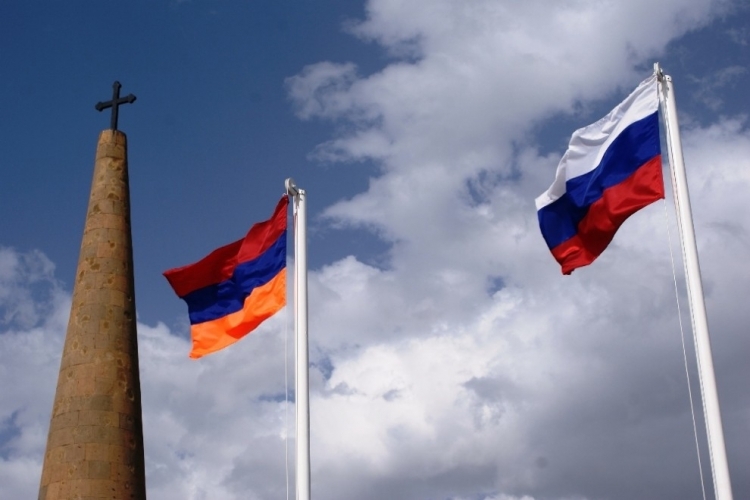
Velvet Revolution in Armenia: Russia Stays on the Sidelines (By Loosineh Markarian)

Armenia’s “velvet revolution”, dubbed as the “revolution of love and tolerance”, occurred against the backdrop of rising authoritarian tendencies globally and in a region characterized by authoritarian politics. Opposition leader turned Prime Minister Nikol Pashinyan led a widespread campaign of civil disobedience against
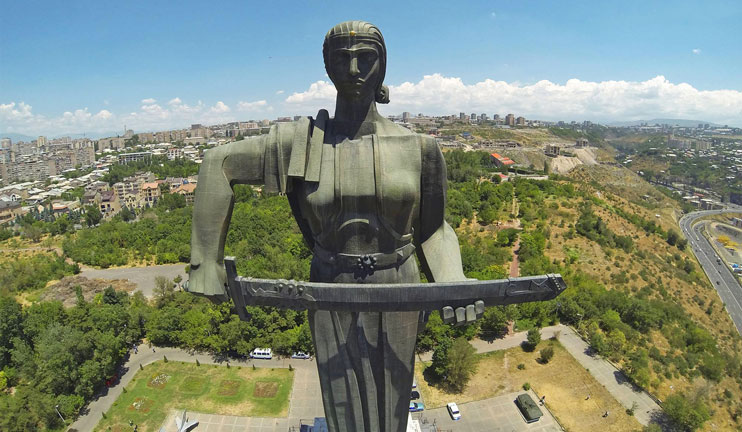
The Woman in Armenia: Source of Hope, Integrity and Continuity (By Madeleine Mezagopian)

Between subjugation and restricting the liberty of the woman on one hand and excessive emancipation of the woman with nostalgia for romance and for family life on the other, the woman as symbol of fertility, medium of creativity and productivity, icon of beauty

Armenia Gears Up for ‘Future Wars’ (By Eduard Abrahamyan)

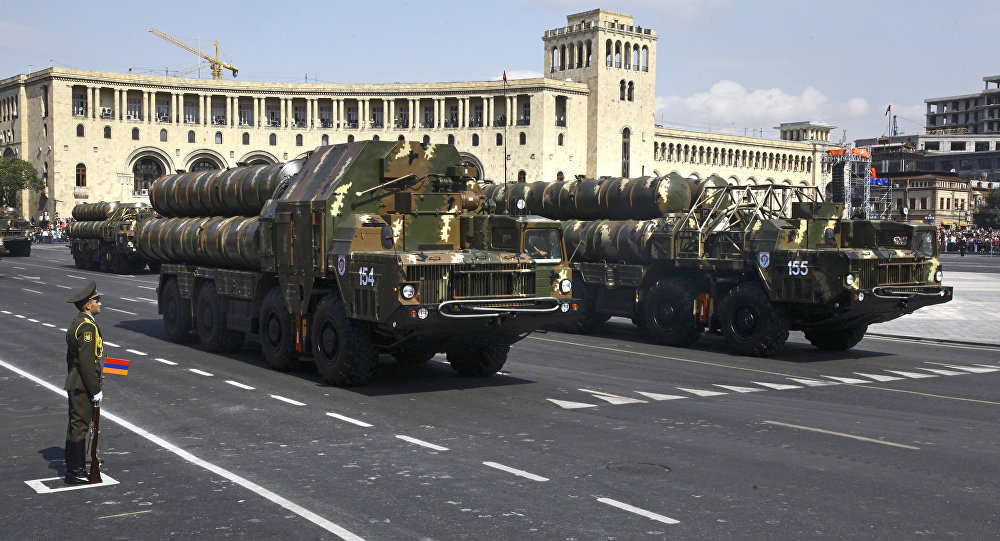
In mid-March, the Armenian Ministry of Defense (MoD) released an 18-page strategic document entitled “2018–2024 Modernization Program for the Armenian Armed Forces.” The document lays out a framework for boosting technological innovation in the defense and security sector, raising the moral resiliency of

Armenia Annuls Zurich Protocols With Turkey, but Hopes for New Engagement (By Eduard Abrahamyan)

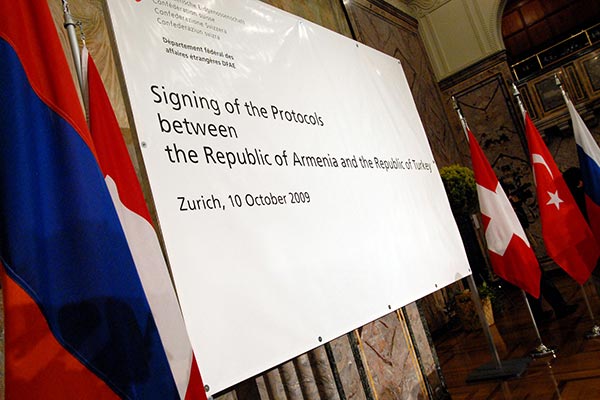
On March 1, Armenia’s National Security Council officially scrapped the Zürich Protocols, signed with Turkey on October 10, 2009, under the internationally mediated normalization and reconciliation process also known as “soccer diplomacy” (1in.am, March 1). Covertly launched in mid-2007 but intensified and made

Armenia’s Karabakh Strategy, from Status Quo to Preemption (By Benyamin Poghosyan)

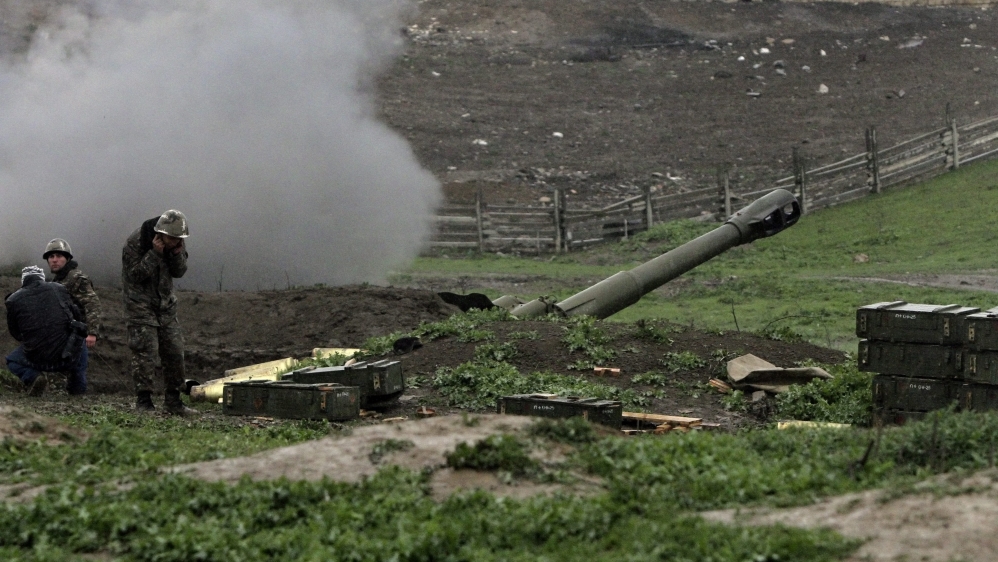
The settlement of Nagorno Karabakh conflict is the number one national security priority for Armenia. Armenia guarantees the security of the people of the Nagorno Karabakh Republic, having supported Karabakh during the 1992–94 war with Azerbaijan and through the years of cease-fire. Since

How Armenia Lost its Track Towards Sustainable Development (By Yeghia Tashjian)

Following the collapse of the Soviet Union, with the eruption of war with Azerbaijan over Nagorno-Karabakh and the trade blockade imposed by Turkey, Armenia’s economy collapsed leading to hyperinflation, and a budget deficit that peaked at 55 percent of GDP in 1993. As the government

The Origin, success and failure of the Lebanese-Armenian “Third Force” during the intra-communal cold war (1956-1960) (By Yeghia Tashjian)

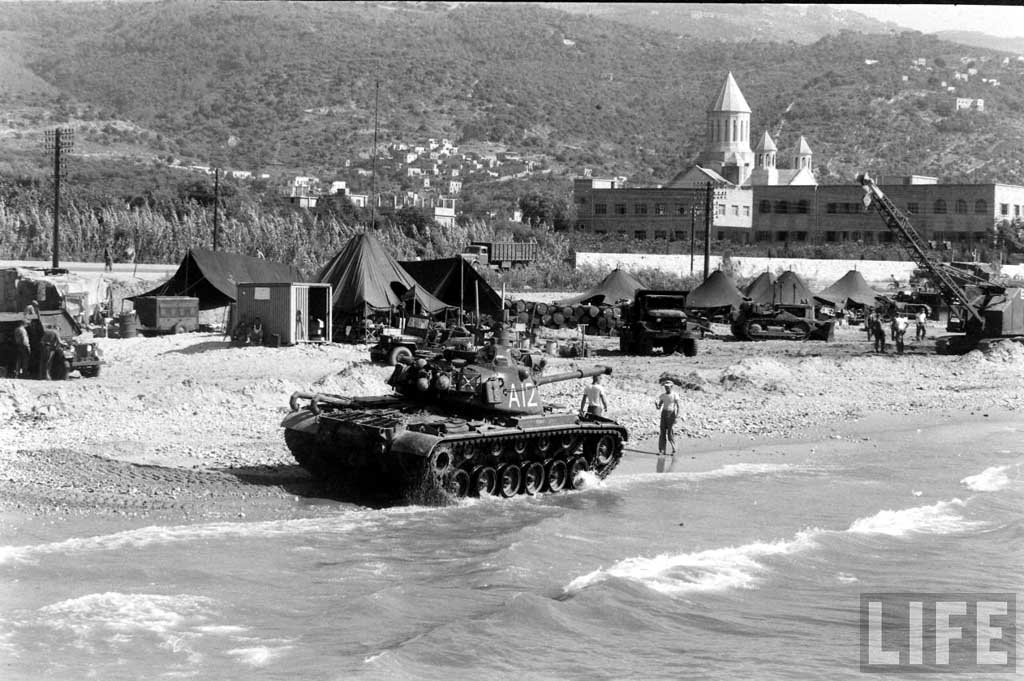
The Origin, success and failure of the Lebanese-Armenian “Third Force” during the intrA-communal cold war (1956-1960)[1]   During the intra-Armenian cold war (1956-1960) it was necessary to have a “third voice” (alternatively known as ‘Third Track’, ‘Third Path’, ‘Third Force’) to build a

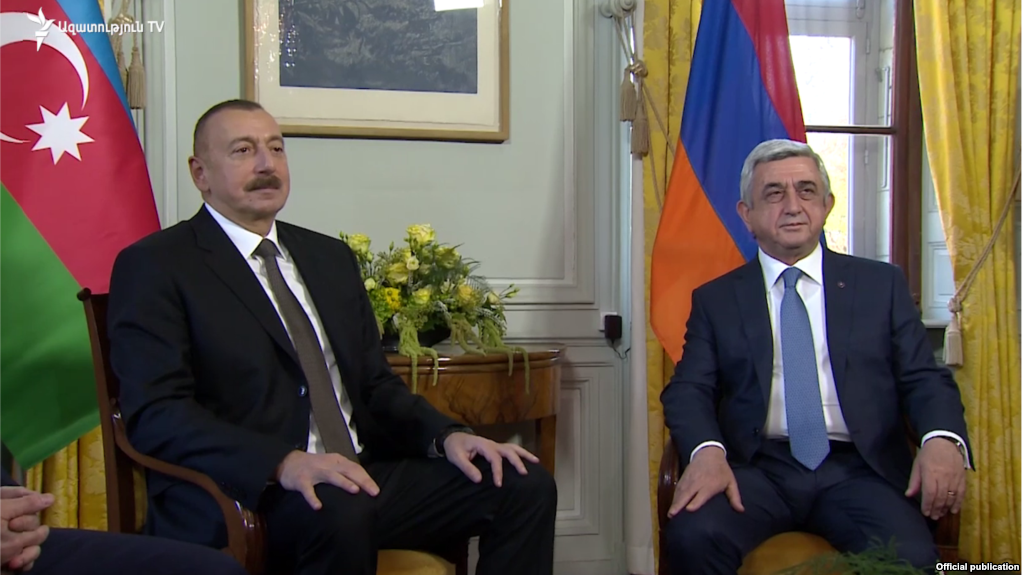
Armenia and Azerbaijan to Finalize Important Transitions Before the End of April (By Benyamin Poghosyan)

“The convergence in the timing of key political processes in Armenia and Azerbaijan has heightened interest in Armenia regarding Azerbaijan’s domestic developments”, writes Benyamin Poghosyan in this op-ed The Azerbaijani President’s decision to move Presidential elections from October to April 2018 caught many in

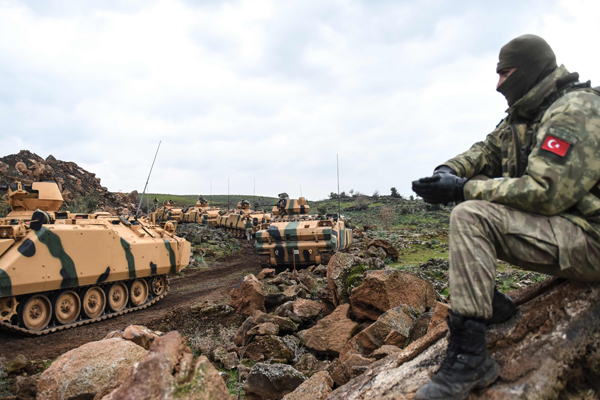
Armenia, the Turkish threat, and the Russian antidote (By Benyamin Poghosyan)

The Afrin events are being used to assert the notion that without Russian military guarantees, and a Russian military base deployed in Armenia, Yerevan will be under a constant threat from a potential Turkish offensive, says Benyamin Poghosyan in this op-ed. Turkey’s military

The Current State and Prospects of Armenia-Turkey Relations (By Dr. Benyamin Poghosyan)

Since gaining independence in 1991 Armenia has faced tough challenges in building relations with two of its four neighbors — Azerbaijan and Turkey. Relations with Azerbaijan were mainly influenced by Karabakh conflict. Armenia was supporting Nagorno Karabakh Armenians to defend themselves against Azerbaijani