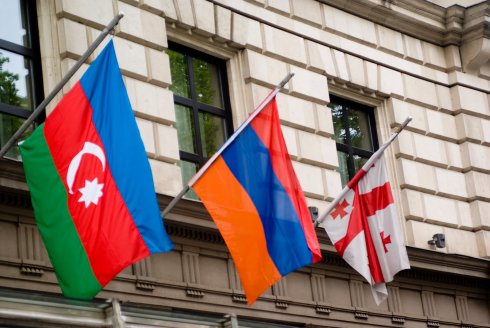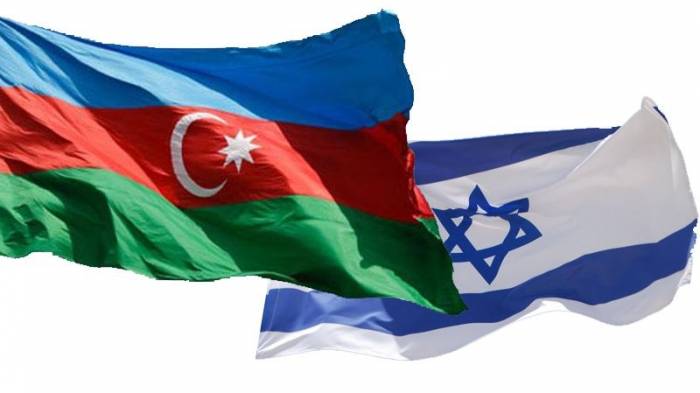
The axis of instability: The Azerbaijani-Israeli alliance (By Mona Issa & Yeghia Tashjian

Israel functions as a US proxy in the Middle East, pushing for US foreign policy and interest against its enemies – today, Iran is the only country in the region challenging the US and opposing its policies. Iran, an oil-rich country stranded by
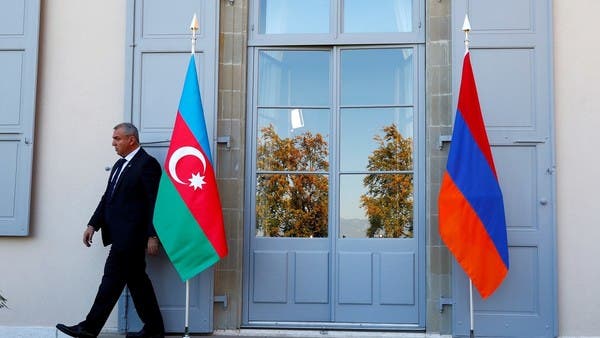
The Geopolitical and Energy Security Dimensions of the Latest Armenian-Azerbaijani Clashes (Yeghia Tashjian)

There are currently three major zones of possible escalations between Russia and Turkey: the Levantine zone in Syria, the Mediterranean zone in Libya, and the Caucasian zone between Armenia and Azerbaijan. All of these zones are interconnected with each other. The latest Azerbaijani

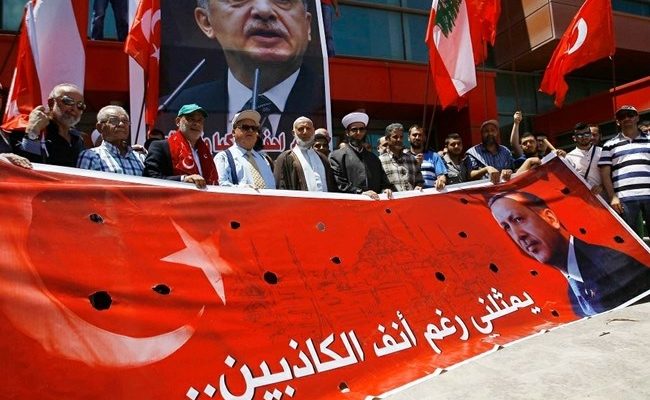
The neo-Ottomans are back. How should Lebanese Armenians respond? (By Yeghia Tashjian)

Lebanese resilience is being severely tested by the ongoing financial crisis. Economic and social costs are overwhelming, and the middle class is disappearing as poverty spirals out of control. The Lebanese currency has almost lost 60 percent of its value compared to US

To Mine or not to Mine? A post-Revolutionary Debate on Mining in Armenia (By Yeghia Tashjian)

Introduction    Following the fall of the Soviet Union in 1991, the Armenian economy collapsed. Starting in 1993, the government took a neo-liberal path and launched an ambitious IMF-sponsored economic reform by privatizing most public companies. As a result, a small elite concentrated

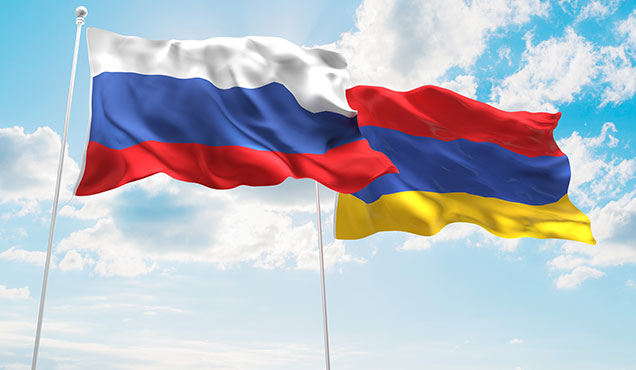
Deciphering Armenia – Russia relations after the “Velvet Revolution” (By Benyamin Poghosyan)

A pivot towards the West is simply not in Armenia’s best interest. Immediately after the “Velvet Revolution” in Armenia during the spring of 2018, the main narrative regarding possible developments in Armenian and Russian relations focused on negative expectations. Conventional wisdom brought plenty

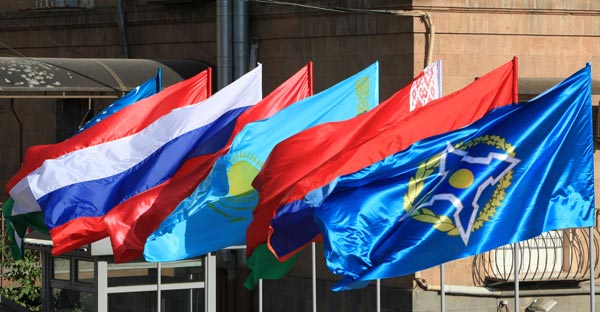
Internal Discord in CSTO May Be Pushing Armenia to Leave Russia-Led Alliance (By Eduard Abrahamyan)

The issue of naming a new secretary general of the Russia-led Collective Security Treaty Organization (CSTO) has become another bone of contention between supposed allies Armenia, Belarus and Kazakhstan. The alliance’s heretofore formal head, General Yuri Khachaturov, a former chief of the General

Understanding Armenia’s Syrian Gamble (By Eduard Abrahamyan)

Following bilateral closed-door talks with Russian President Vladimir Putin, in Moscow, on September 8, Armenia’s interim Prime Minister Nikol Pashinyan told journalists that Russia and Armenia would soon launch a “joint humanitarian mission” in Syria (Azatutyun.am, September 8). The operation, apparently requested by

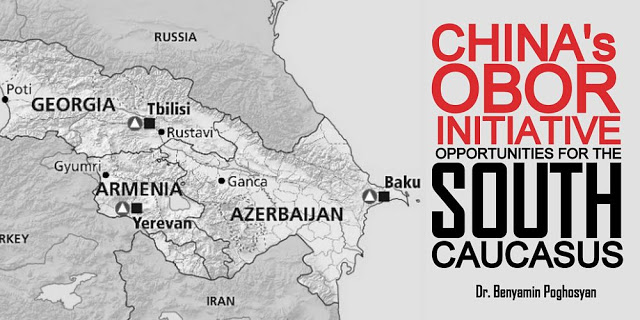
China’s OBOR Initiative — Opportunities for the South Caucasus (Benyamin Poghosyan)

The “South Caucasus” has a strategic locational advantage by connecting Europe with Asia and the Middle East. After the collapse of the Soviet Union three internationally recognized independent states — Armenia, Azerbaijan, and Georgia — emerged in the region and all three pursues distinctively different foreign policy goals since their inception. Armenia Due

The battles of Sardarabad,* Bash Abaran, and Gharakilisa: Our Existential Battle and Our Path to Pioneer Democracy (By Madeleine Mezagopian)

In 1918 the year our Armenian ancestors, including the grandparents of this author, were fleeing getting massacred at the hands of Turkish rulers and heading towards any safe destination to survive and preserve their Armenian identity. Armenians in part of motherland Armenia were

The regional security situation remains challenging (By Benyamin Poghosyan)

The South Caucasus is facing multiple security challenges with no clear path to overcome them in the foreseeable future. The conflicts in Nagorno Karabakh, Abkhazia, and South Ossetia are hampering any efforts to have an inclusive regional cooperation, and are the key reasons