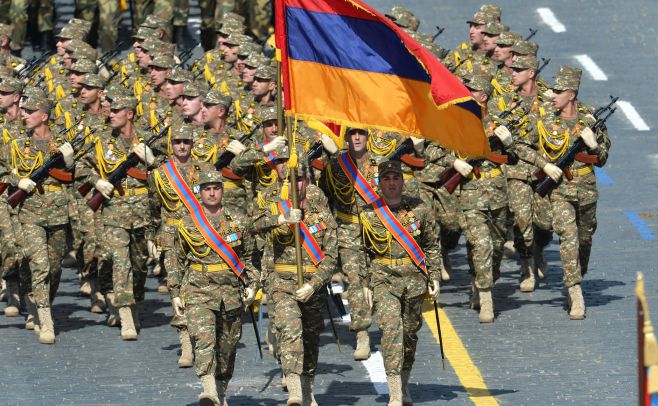
Armenia Amends New Military Doctrine in Standoff With Azerbaijan Over Karabakh (By Eduard Abrahamyan)

At the Armenian diaspora’s Sixth Pan-Armenian Forum, held on September 18­–20, Armenian Foreign Minister Eduard Nalbandian declared that Yerevan was discussing the possible handover of some occupied territories back to Azerbaijan, in line with formerly accepted principles agreed upon by both sides in
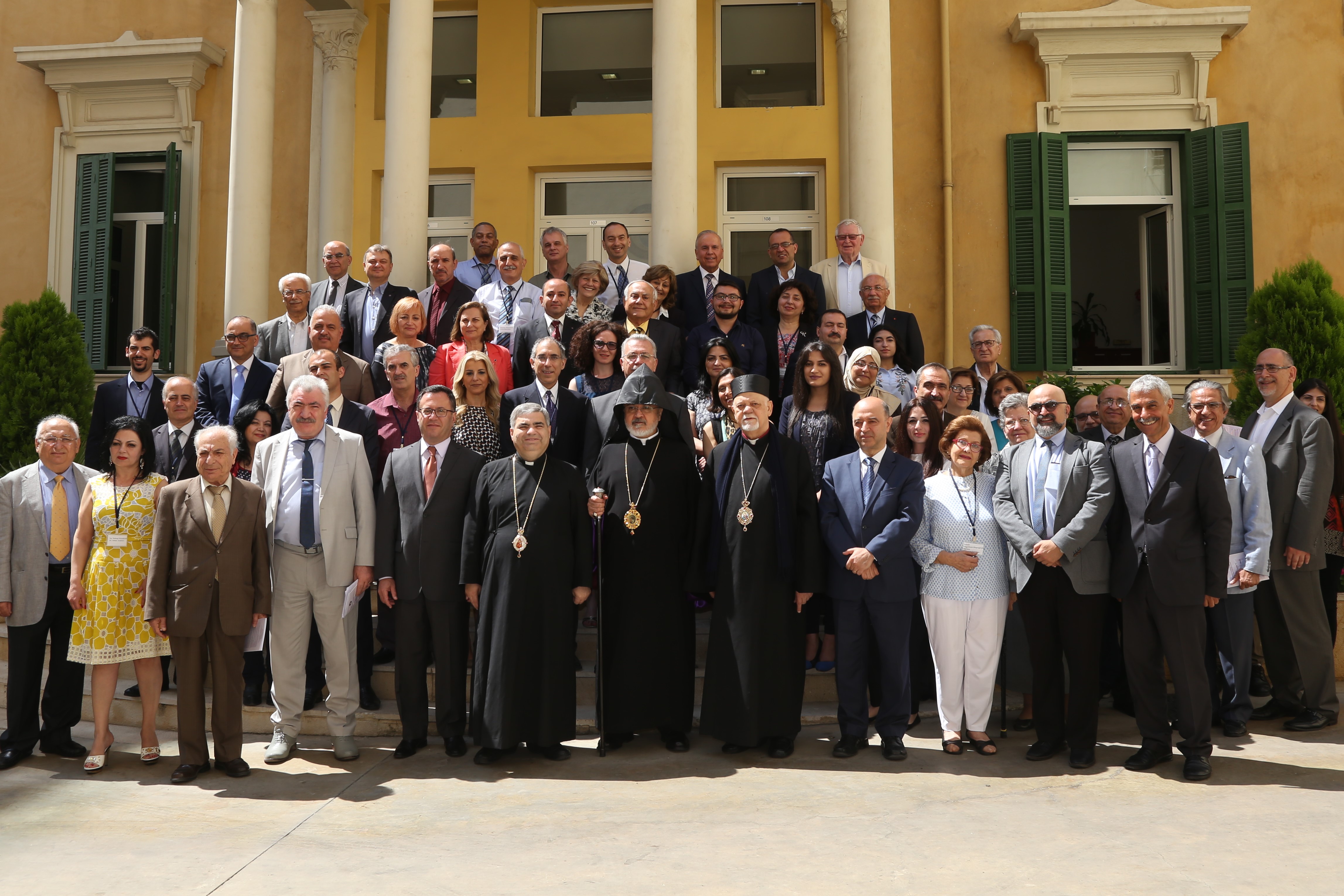
International Conference on “Armenians of Iraq” at Haigazian University, May 29-31, 2017

Organized by the Armenian Diaspora Research Center at Haigazian University, and supported by the Armenian Communities Department of the Calouste Gulbenkian Foundation, the conference on “Armenians of Iraq” took place over the course of three days. On Monday, May 29, the official opening

Armenia and India Build Strategic Relationship (By Eduard Abrahamyan)

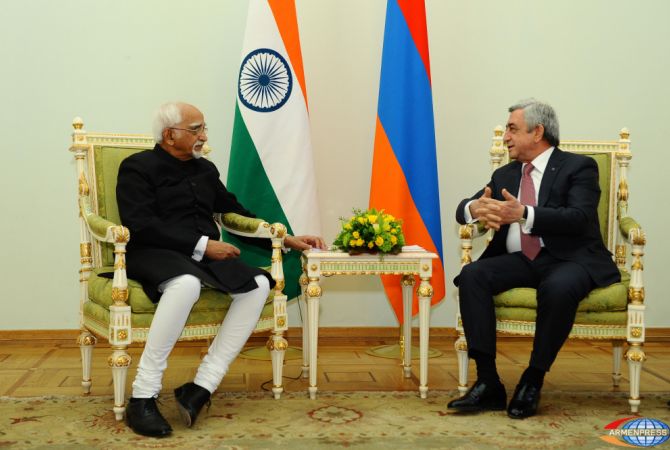
With Azerbaijan and Pakistan currently pursuing a strategic partnership (see EDM, September 28, 2016; December 15, 2016), Armenia and India have decided to step up their cooperation across several dimensions. Indeed, the past six months were marked by a visible reinvigoration of Armenian-Indian

“NATO’s aloofness vis-a-vis the Nagorno-Karabakh conflict is no longer sustainable” (By Eduard Abrahamyan)

As NATO prepares to hold its summit this week, there is one region that deserves more attention from the alliance, argues Eduard Abrahamyan in this commentary. NATO should have a more pro-active role in the solution of the Karabakh conflict, says Abrahamyan. The escalating

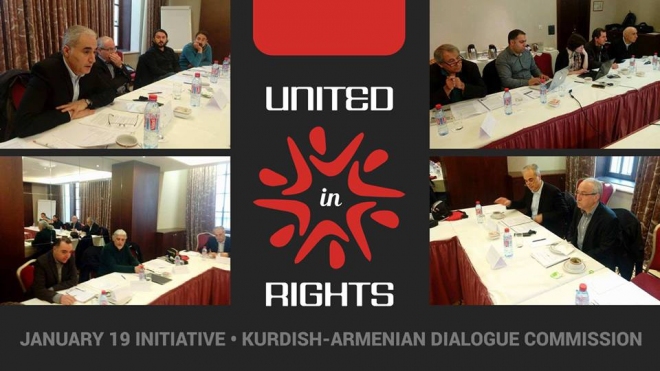
Sevak Artsruni’s welcome speech at the first Kurdish-Armenian dialogue commission

Dear Colleagues, First let me welcome you on behalf of the “National Congress of the Western Armenians” and the “19 January Initiative” to this very important and challenging meeting. I welcome all Kurdish participants and hail their courage and determination for their unbiased

Turkey Uncensored: ‘First, They Came For the Armenians’ (By Uzay Bulut)

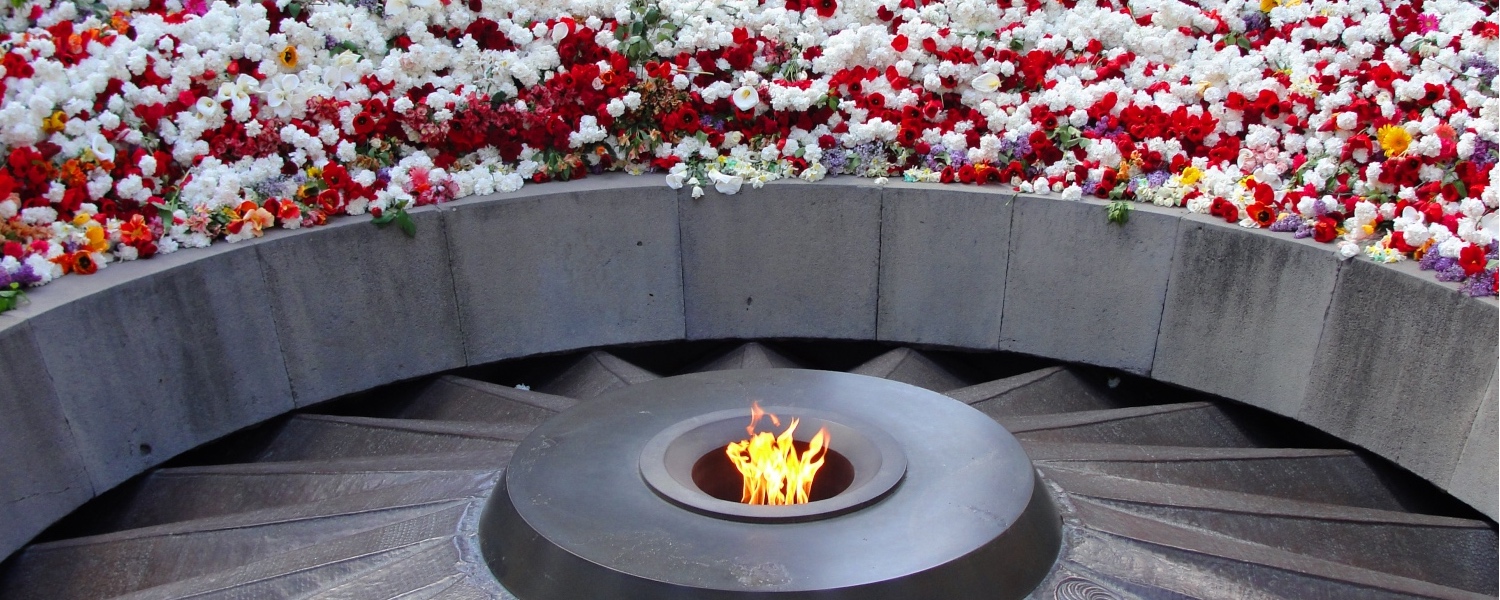
April 24 marked the 102nd anniversary of the 1915 Armenian Genocide. Armenians around the world – as well those in the international community who care about human rights – remembered the 1.5 million victims of the genocide and paid homage to their legacy.

Armenian Feminism and Reconstructing the Post-Genocide National Identity (Yeghia Tashjian)

In post-genocide or post-catastrophe periods, women are often left out of the national collectivity. That is, in the gendered classification between public and private space that characterizes national structures, women are restrained within the private space and their contributions to In post-genocide or

Conclusions Concerning the “19 January Initiative”

Issued on 21-22 January 2017, Berlin United in Rights Conference and 25-26 February 2017, Paris Round Table Concerning the “19 January Initiative” 1. The Asia Minor Peoples’ UNITED IN RIGHTS conference held in Berlin on the 28-29 of February 2017, created the “United

Armenia’s parliamentary election a step forward to democracy? (By Raffi Elliott)

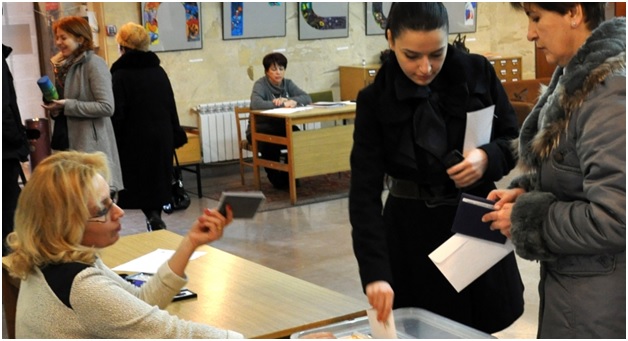
Voters across Armenia took part in the country’s 7th parliamentary election on Sunday, in what many observers described as the most important in Armenia’s modern history. The vote comes a year and a half after Armenia passed a controversial constitutional reform bill restructuring

Armenia Pushes to Reinvigorate Its Relationship With NATO (By Eduard Abrahamyan)

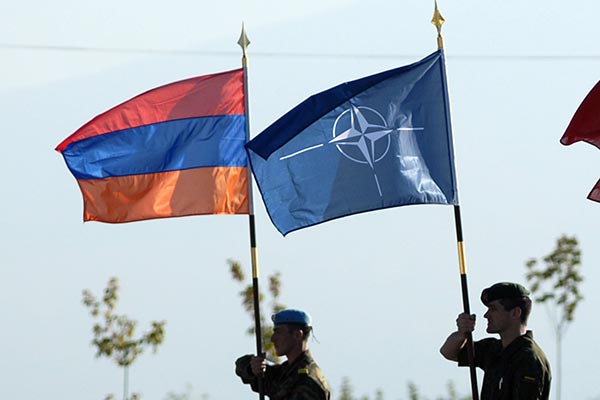
Armenia—Russia’s closest ally in the South Caucasus—appears intent on revitalizing its partnership with the North Atlantic Treaty Organization (NATO). This agenda turned explicit on February 27–28, when Armenian President Serzh Sargsyan paid a visit to Brussels. Besides holding several important meetings with high-level