Saudi Arabia’s non-Machiavellian foreign policy mistakes (By Yeghia Tashjian)

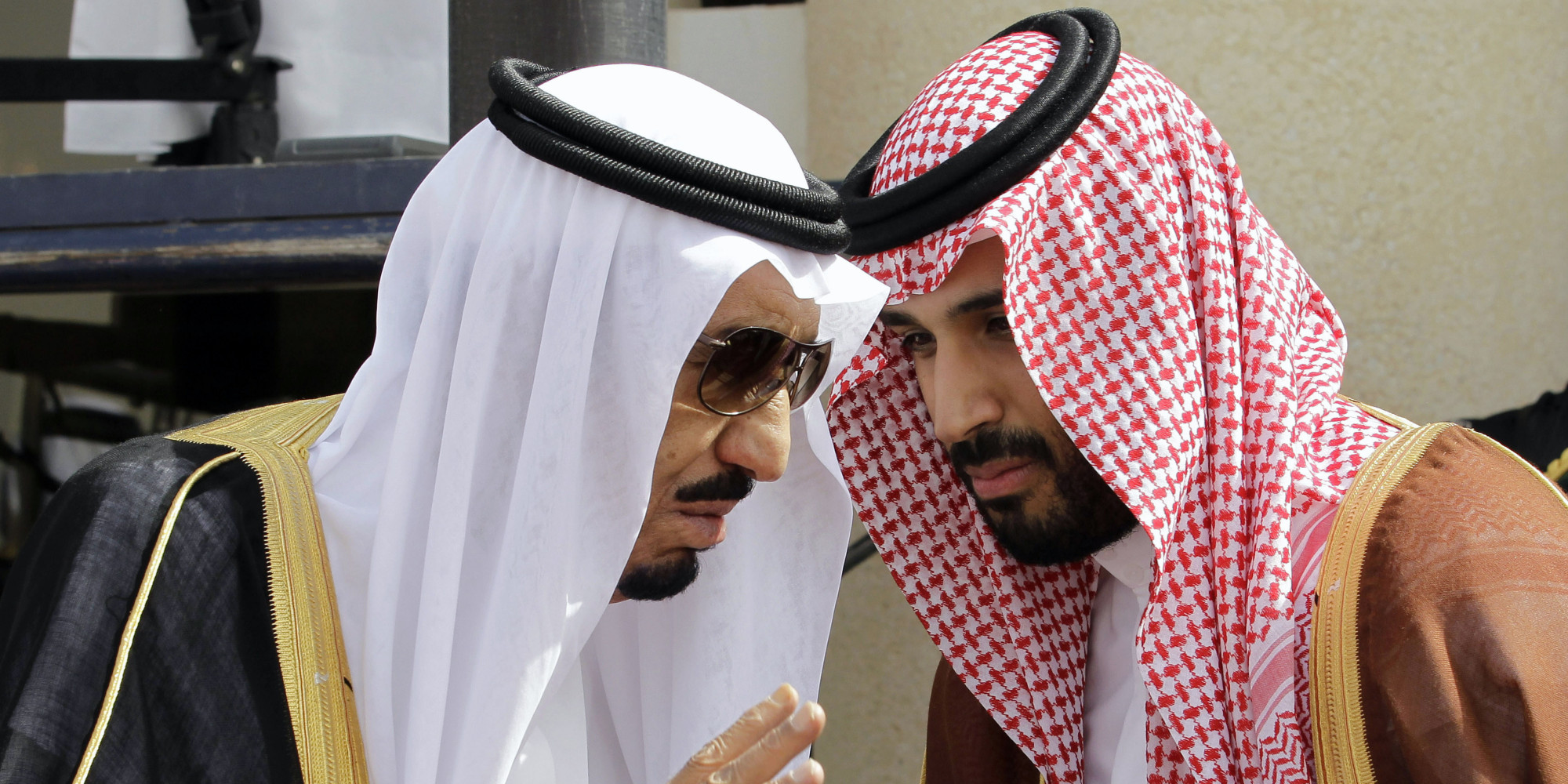
With the ousting of Saddam Hussein’s regime in 2003, the Arab Sunni world was fragmented and Iran became a leading regional power in West Asia. This was a consequence of the ill-calculated policies pushed by Saudi Arabia beginning with the invasion of Iraq.
Armenian Feminism and Reconstructing the Post-Genocide National Identity (Yeghia Tashjian)

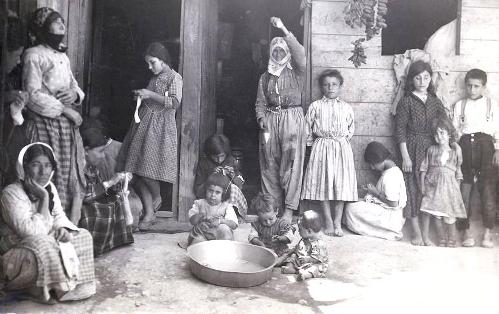
In post-genocide or post-catastrophe periods, women are often left out of the national collectivity. That is, in the gendered classification between public and private space that characterizes national structures, women are restrained within the private space and their contributions to In post-genocide or

The Lebanese Presidential Elections and Its Implications for the Armenian Community

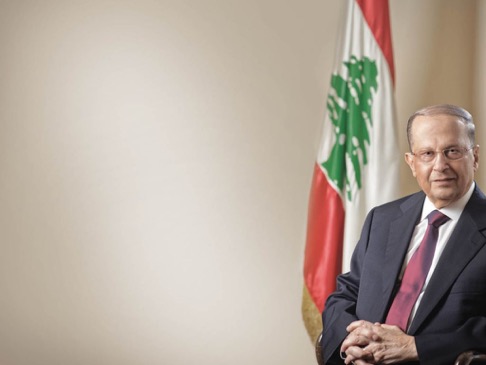
An Interview with Yeghia Tashjian Special for the Armenian Weekly by Roupen Jambazian, November 2, 2016 BEIRUT, Lebanon (A.W.)—Michel Naim Aoun was elected President of Lebanon on Oct. 31 at the 46th electoral session of the Lebanese Parliament. Lebanon had been without a head of

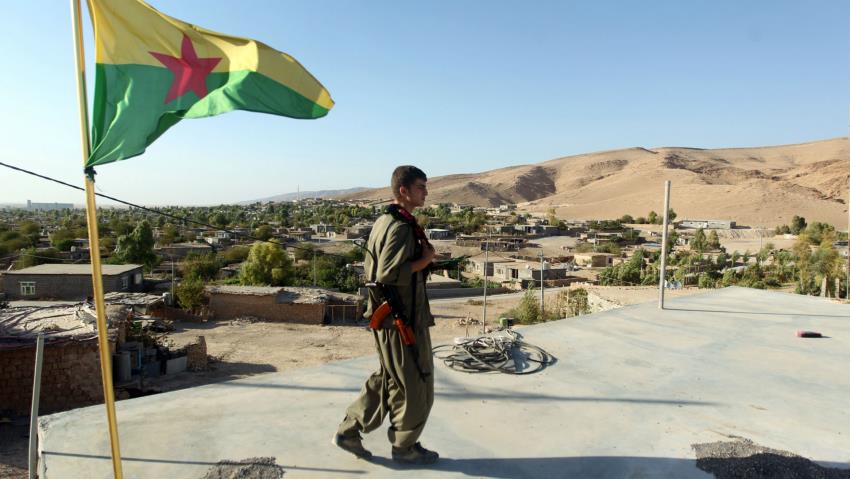
Where does the attempted coup leave Turkey’s Kurds? (Yeghia Tashjian)

While Kurdish leaders carefully distance themselves from the attempted coup, Erdogan is now even less likely to compromise or grant political rights to the Kurdish community. While the entire world was trying to make sense of the military coup attempt in Turkey on

Plead guilty! Germany has a moral duty in recognizing the Armenian Genocide

When I visited Marburg three years ago, I had short discussion with many young German scholars. Most were aware of the Genocide and their country’s responsibility in being silence during that era. I can’t say they were feeling guilty but at least the

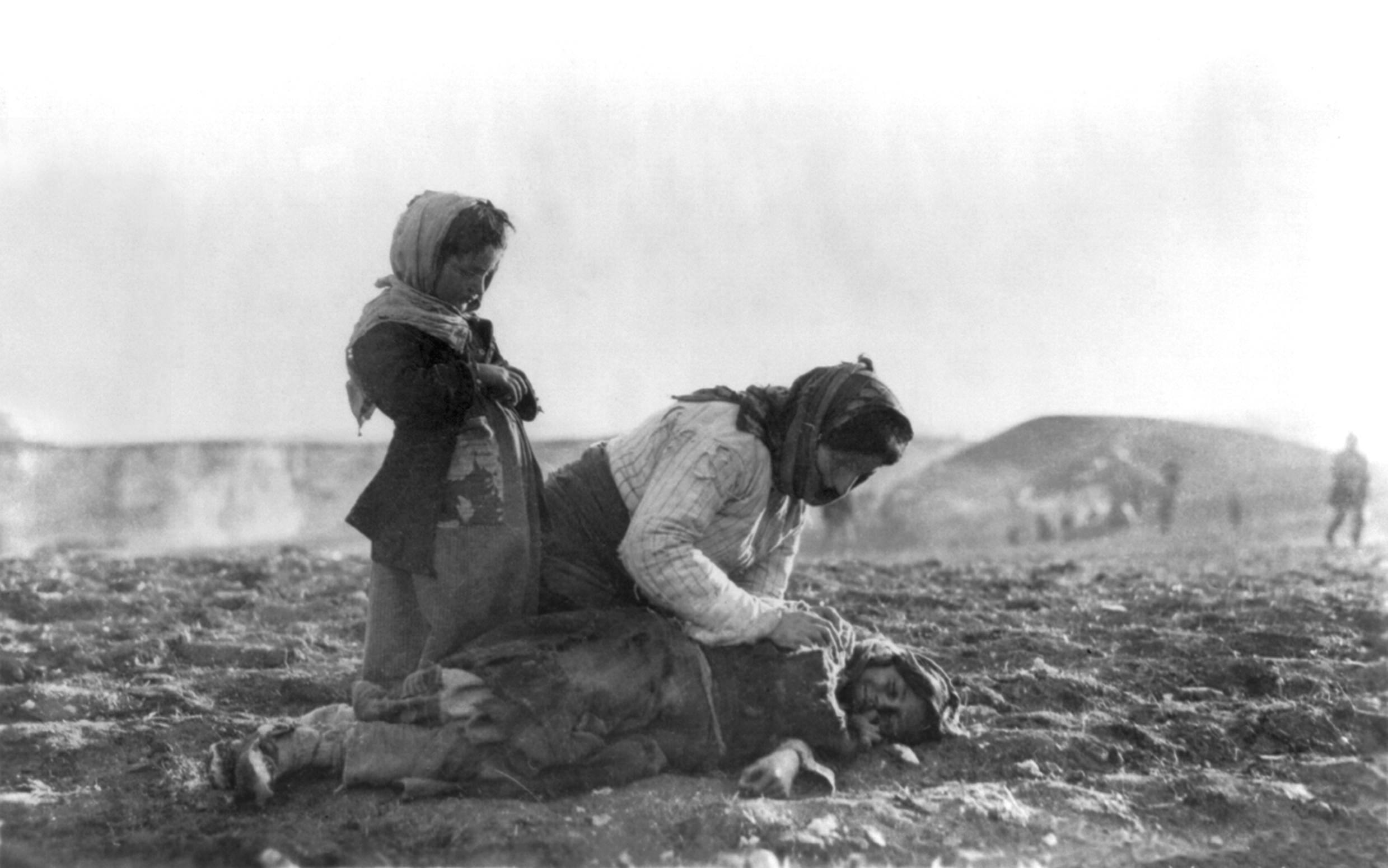
US response to Armenian Genocide: from Humanitarianism to “Realpolitik” (By Yeghia Tashjian)

“Neutrality helps the oppressor, never the victim!” Holocaust survivor and Nobel laureate Elie Wiesel Although some Armenians around the world were hoping that US President Barack Obama would keep his promise and recognize the Armenian Genocide, his statement was not surprising for many.

Gender-based violence against Syrian refugees in Lebanon (By Yeghia Tashjian)

Gender-based violence against Syrian refugees in Lebanon International Rescue Committee identified three main challenges facing Syrian female refugees; first, sexual exploitation and harassment; second, the increase in domestic violence which makes them feel that their homes are not safe; and third, early and

The Armenian Genocide: Solidarity vs. Denial (Yeghia Tashjian)

While Lebanese-Armenians continue to commemorate the anniversary of the Armenian Genocide, the Lebanese are still debating the tragic event on social media. The Racism and sectarianism that is flourishing on daily basis in the region is also reflected in Lebanon. While some look at

Nagorno-Karabakh; No More a Frozen Conflict (By Yeghia Tashjian)

Nagorno-Karabakh; No More a Frozen Conflict “Thus, the Nagorno-Karabakh issue is not a territorial argument between Armenia and Azerbaijan. It was raised not by Armenia but by the people of Nagorno-Karabakh” The history of the conflict Wars and tragedies recognize neither borders nor

A shared agony: from Aintab to Haifa (By Yeghia Tashjian)

 Two men uprooted from their homes found sanctity in the Armenian district of Beirut. Amid war they found peace and shared the solidarity of the dispossessed, writes Yeghia Tashjian. A week ago I visited a florist on Mar Mikhael Street in Beirut to