Erdogan’s Enver Pasha Dream: The Revival of the “Army of Islam” (By Yeghia Tashjian)

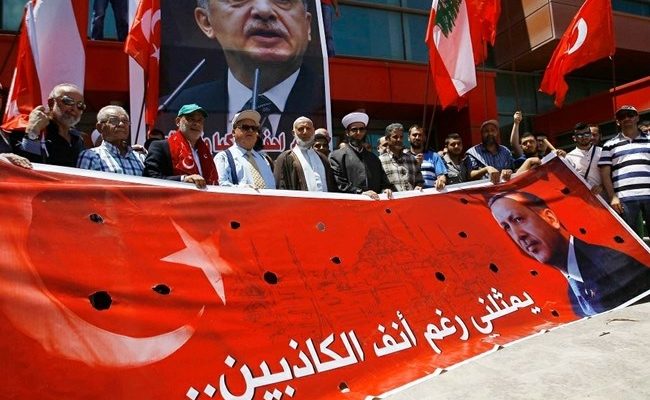
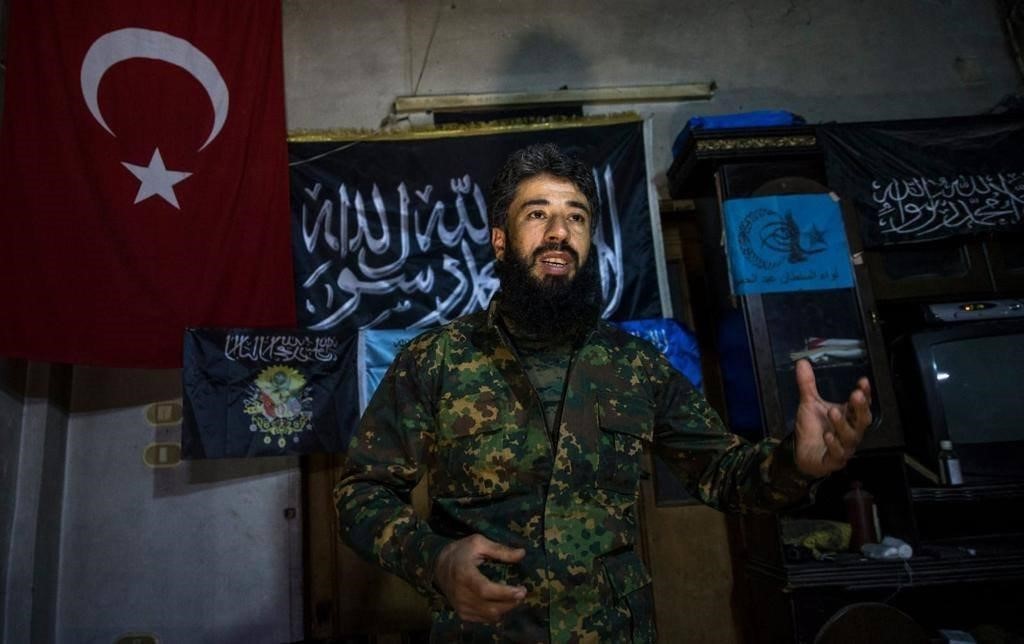
On July 10, 1918, the Ottoman Minister of War, Enver Pasha, ordered the formation of the “Islamic Army of the Caucasus” in order to repel the Armenian forces in South Caucasus, unite all the Turkic nations in the region under the banner of
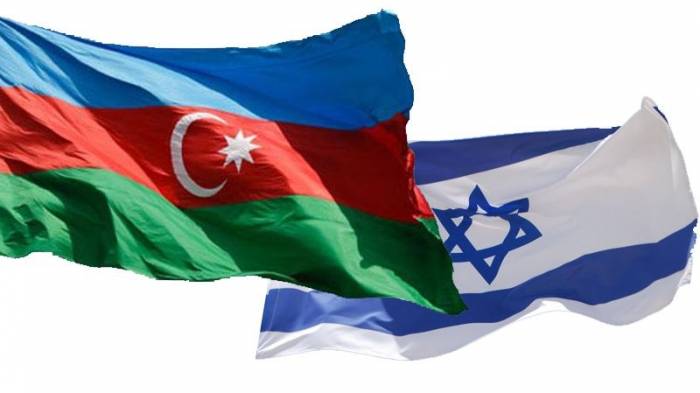
The axis of instability: The Azerbaijani-Israeli alliance (By Mona Issa & Yeghia Tashjian

Israel functions as a US proxy in the Middle East, pushing for US foreign policy and interest against its enemies – today, Iran is the only country in the region challenging the US and opposing its policies. Iran, an oil-rich country stranded by

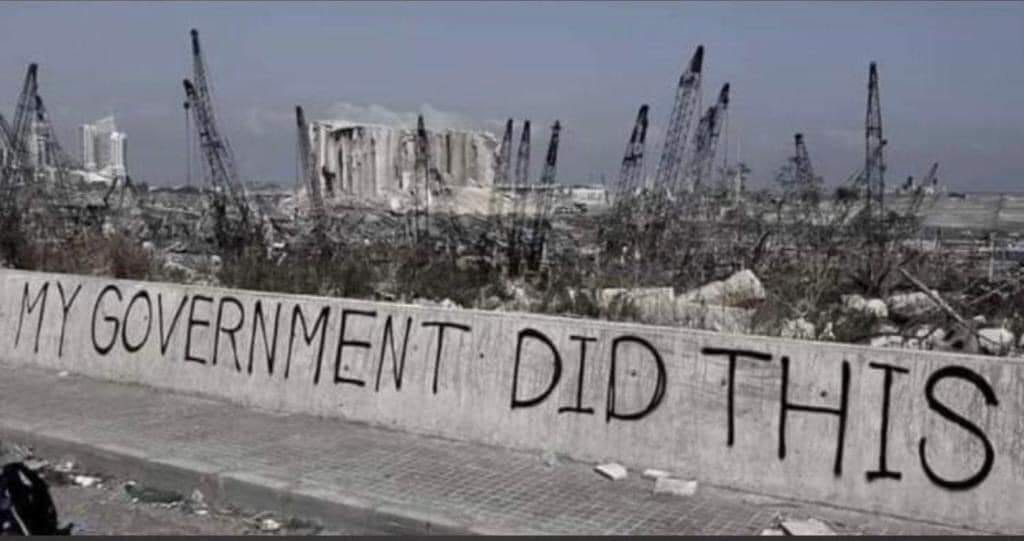
They have destroyed my Lebanon… (By Yeghia Tashjian)

Tuesday, August 4, 2020, 6:10 pm …a day that not a single son or daughter of Lebanon would forget. I was sitting on the balcony with my father, attending a virtual summer school program, as we suddenly heard the sound of an explosion.

The Geopolitical and Energy Security Dimensions of the Latest Armenian-Azerbaijani Clashes (Yeghia Tashjian)

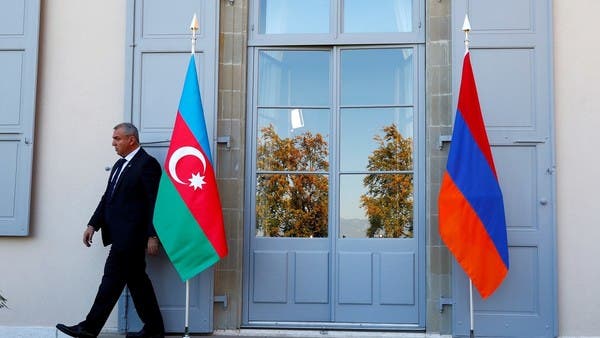
There are currently three major zones of possible escalations between Russia and Turkey: the Levantine zone in Syria, the Mediterranean zone in Libya, and the Caucasian zone between Armenia and Azerbaijan. All of these zones are interconnected with each other. The latest Azerbaijani

The neo-Ottomans are back. How should Lebanese Armenians respond? (By Yeghia Tashjian)

Lebanese resilience is being severely tested by the ongoing financial crisis. Economic and social costs are overwhelming, and the middle class is disappearing as poverty spirals out of control. The Lebanese currency has almost lost 60 percent of its value compared to US

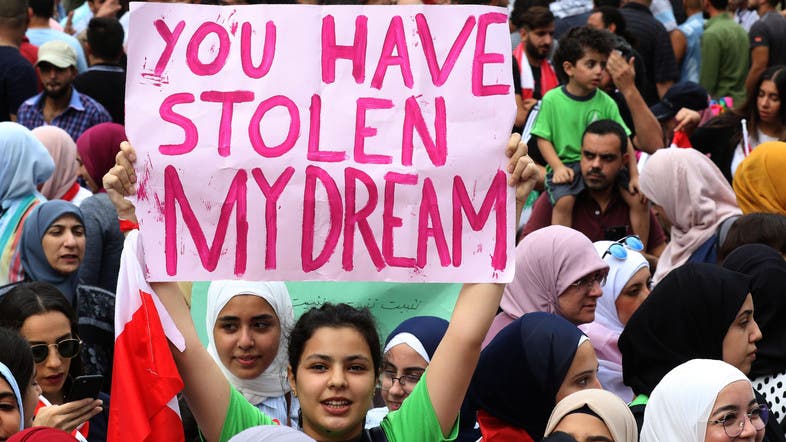
From Colombia to Lebanon: The Street Revolts (By Ana Prada & Yeghia Tashjian)

The year 2019 was full of global protest movements ranging on topics such as climate change, the establishment of participatory governance models, to anti-corruption rallies from the Middle East to Latin America. We will be highlighting the protest movement in Lebanon and Colombia

To Mine or not to Mine? A post-Revolutionary Debate on Mining in Armenia (By Yeghia Tashjian)

Introduction    Following the fall of the Soviet Union in 1991, the Armenian economy collapsed. Starting in 1993, the government took a neo-liberal path and launched an ambitious IMF-sponsored economic reform by privatizing most public companies. As a result, a small elite concentrated

How Armenia Lost its Track Towards Sustainable Development (By Yeghia Tashjian)

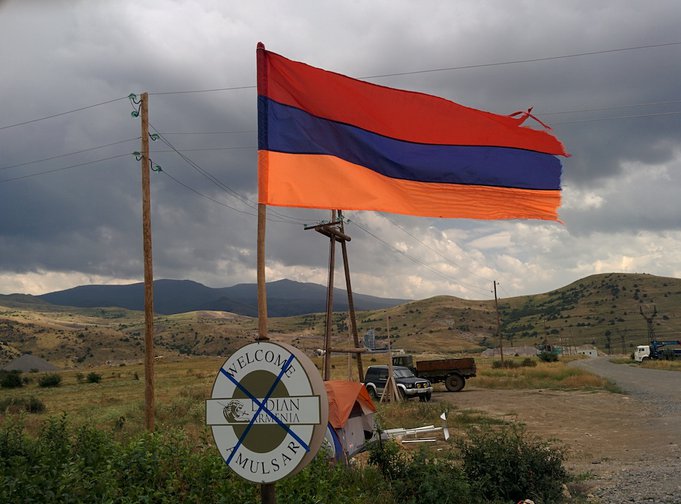
Following the collapse of the Soviet Union, with the eruption of war with Azerbaijan over Nagorno-Karabakh and the trade blockade imposed by Turkey, Armenia’s economy collapsed leading to hyperinflation, and a budget deficit that peaked at 55 percent of GDP in 1993. As the government

The Origin, success and failure of the Lebanese-Armenian “Third Force” during the intra-communal cold war (1956-1960) (By Yeghia Tashjian)

The Origin, success and failure of the Lebanese-Armenian “Third Force” during the intrA-communal cold war (1956-1960)[1]   During the intra-Armenian cold war (1956-1960) it was necessary to have a “third voice” (alternatively known as ‘Third Track’, ‘Third Path’, ‘Third Force’) to build a

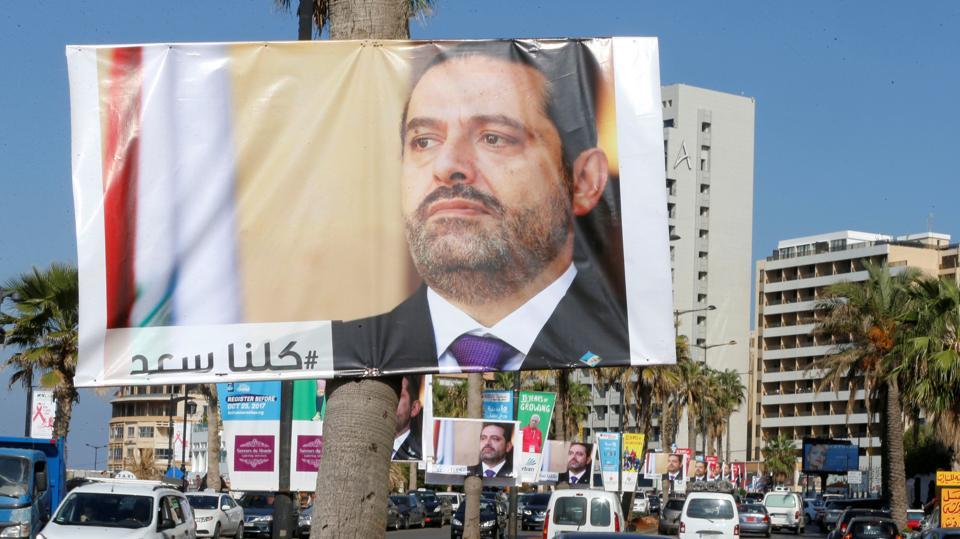
What is next for Hariri? (By Yeghia Tashjian)

The shocking resignation of Lebanese Prime Minister, Saad Hariri, on the 4th of November radically altered the political landscape of West Asia. The declaration was made in Riyadh, and it triggered both a political crisis in Lebanon and rumors speculating whether or not Hariri was