Book Review: Ethnicity, Nationalism and Conflict in the South Caucasus (Yeghia Tashjian)

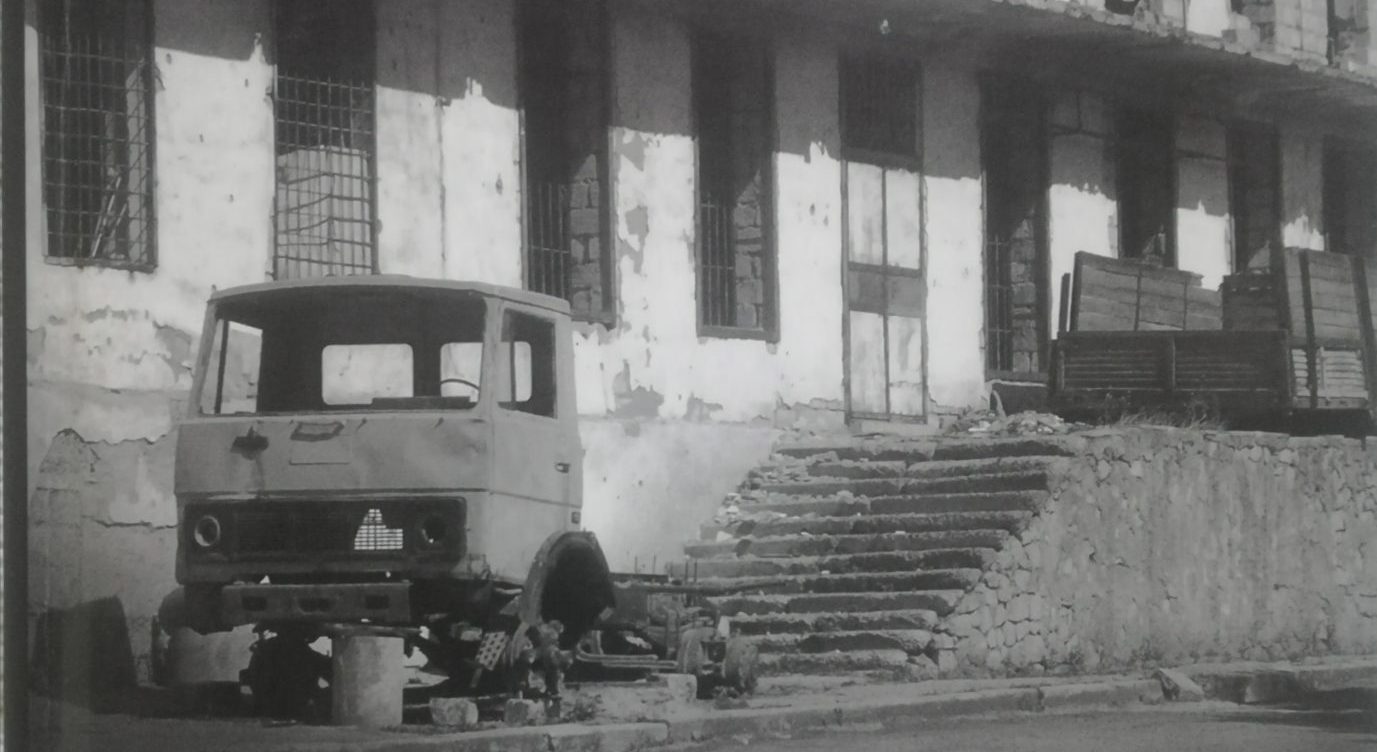
In his book “Ethnicity, Nationalism, and Conflict in the South Caucasus: Nagorno-Karabakh and the Legacy of Soviet Nationalities Policy” (2012), Dr. Ohannes Geukjian analyzes how ethnicity and nationalism became a catalytic cause of the Nagorno-Karabakh conflict and how they have affected Armenian-Azerbaijani relations

Joe Biden’s presidency and the possible geopolitical shifts in the Middle East (By Yeghia Tashjian)

President Joe Biden has inherited a state of disorder in the Middle East from Donald Trump. Powers such as Russia and Turkey have filled the vacuum as the US has, to a certain degree, isolated itself from regional issues. Biden is expected to

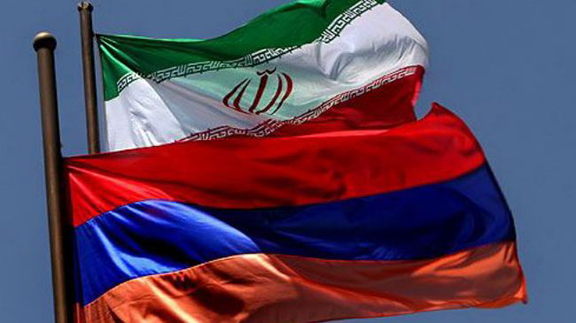
Iran and the Second Artsakh War: Has Tehran lost its leverage over the South Caucasus? (By Yeghia Tashjian)

Introduction When it comes to the South Caucasus, Iran is historically and geographically a crucial regional actor alongside Russia and Turkey. To assert its influence in the Nagorno-Karabakh/Artsakh conflict, Tehran had offered to mediate between Armenia and Azerbaijan on various occasions, but its

The Division of Trade Spoils over Armenia (By Yeghia Tashjian)

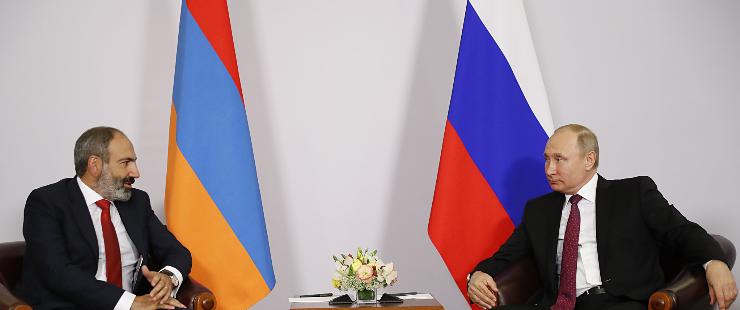
After the armistice of November 10, Russia gained significant strategic advantages in the South Caucasus. Russia did not just score a military victory by consolidating its military presence in the region, but it is also facilitating the construction of railways and trade networks.

How can Armenians overcome their national crisis? (By Yeghia Tashjian)

War adversely affects combatants and non-combatants alike, both physically and psychologically. Death, disability, illness and post-traumatic stress disorders (PTSD) are common consequences of wars, the horrors of which disrupt not just the life of the people but also the economy and state institutions.

Communitarianism and Crisis Response: The Model of Lebanese-Armenians (By Yeghia Tashjian)

In collaboration with Konrad-Adenauer Stiftung, the “MODEL OF LEBANESE-ARMENIANS” written by Yeghia Tashjian analyses the impact of the communitarian approach as a way for Re-discovering Armenian Nationalism, responding to the socio-economic crisis, and rendering a consolidated communitarian response front vis a vis challenges.

How Armenia Underestimated Regional Geopolitics (By Yeghia Tashjian)

The question that Armenian authorities must ask is not if authorities in Yerevan underestimated or miscalculated the geopolitical shifts in the region or not, but how they underestimated, miscalculated and ignored the shifting balance of power in the Middle East and beyond. Geopolitics is

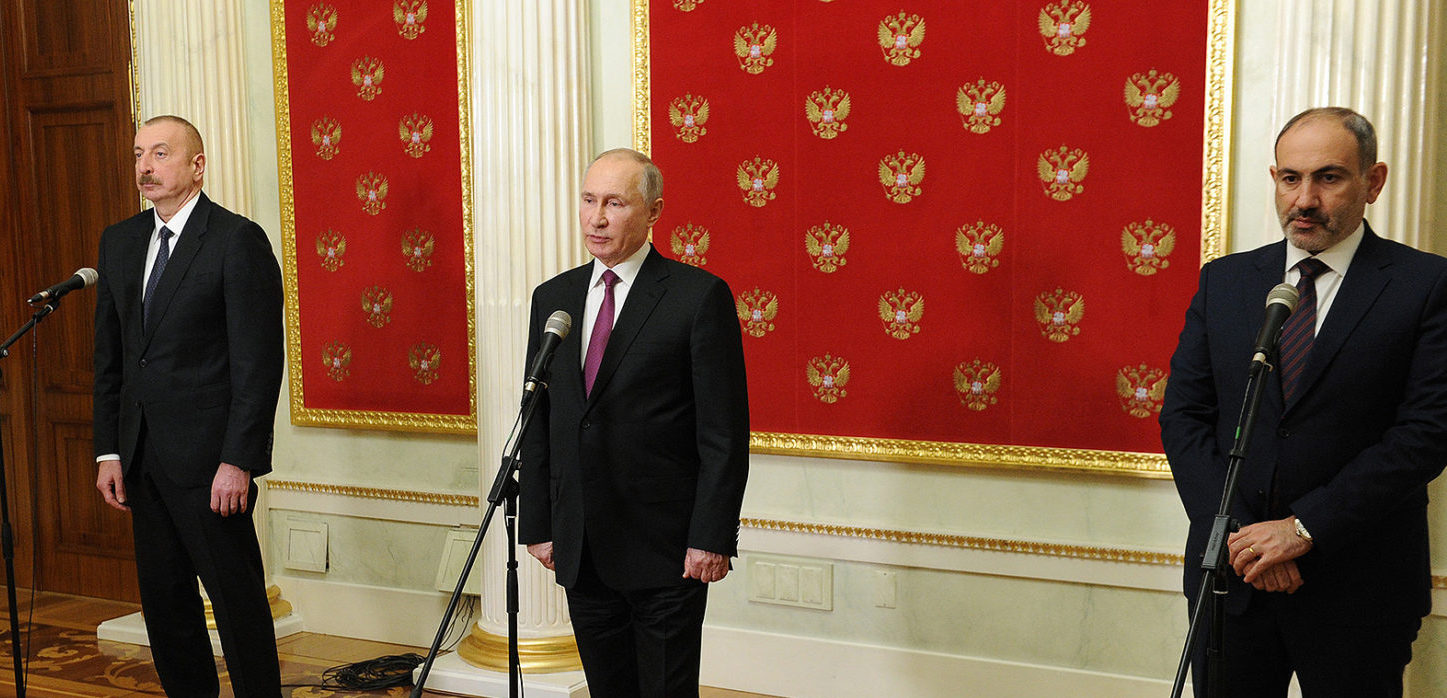
Russia and the Future Status of Shushi (By Yeghia Tashjian

On November 10, 2020, Armenian Prime Minister Nikol Pashinyan announced on Facebook that Yerevan had agreed to a Russian-brokered armistice and thus cessation of hostilities with Azerbaijan. “I made that decision as a result of an in-depth analysis of the military situation and the assessment

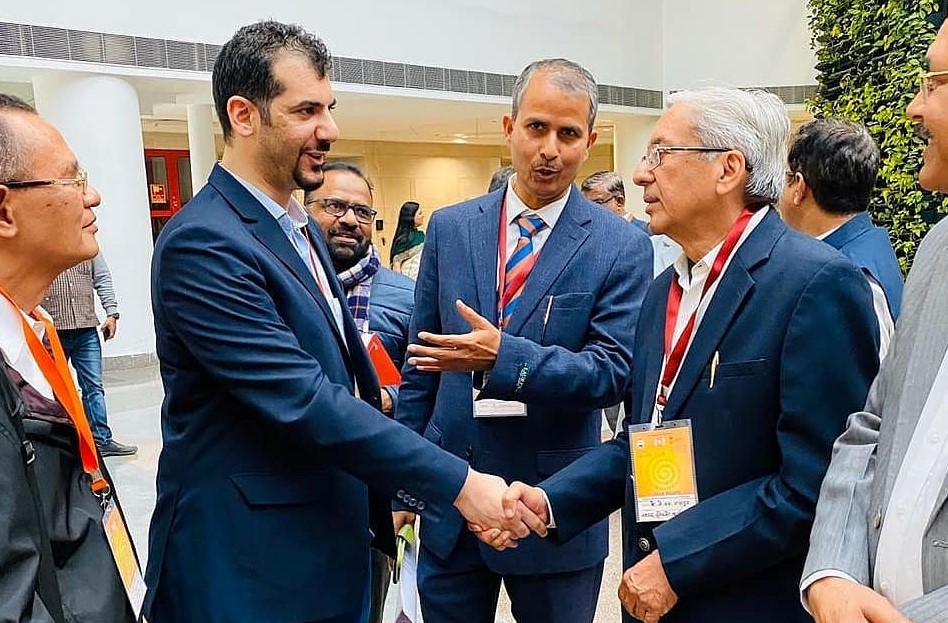
Prospects for Future Armenian-Indian Security Cooperation (By Yeghia Tashjian)

The presence of Armenians in the Indian sub-continent dates back centuries when the Mughal emperor Akbar (1556-1605) invited a large number of Armenians to settle in Agra. The emperor granted Armenians several religious and financial privileges and opportunities to work in his empire.

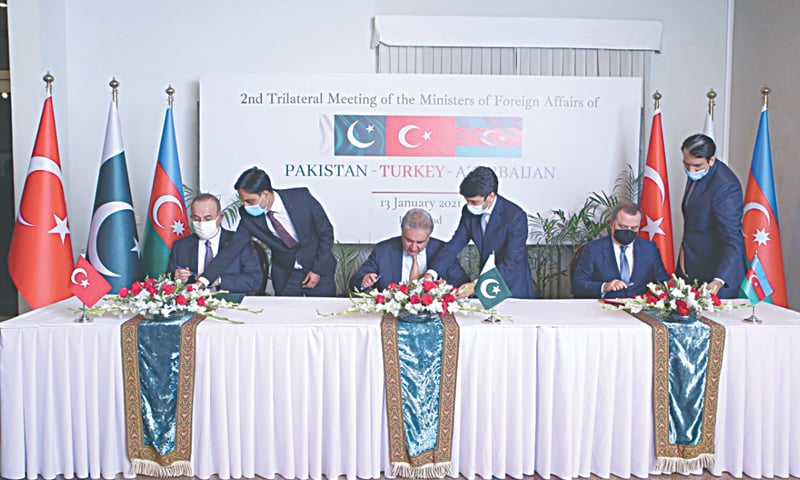
Azerbaijan-Turkey-Pakistan: A New Axis of Evil Against Armenia & India (By Yeghia Tashjian)

The roots of the conflict in Artsakh Artsakh historically has always been part of Armenia, and when the region was annexed to Persian and Arab rule, Artsakh (later known as Nagorno-Karabakh), was governed by Armenian nobility. Following the collapse of the Russian Empire