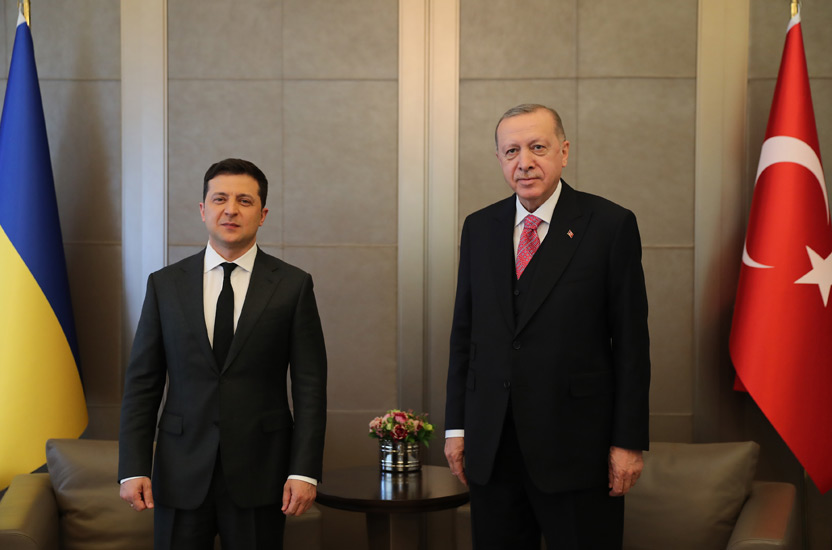
Will Turkey gamble with Ukraine against Russia? (by Yeghia Tashjian)

Introduction In the past few years, Turkey has been gradually increasing its influence in Ukraine through trade and military cooperation amid escalating tensions between Moscow and Kyiv, challenging Moscow’s standing in the Black Sea region. The strategic cooperation between Ankara and Kyiv is not limited
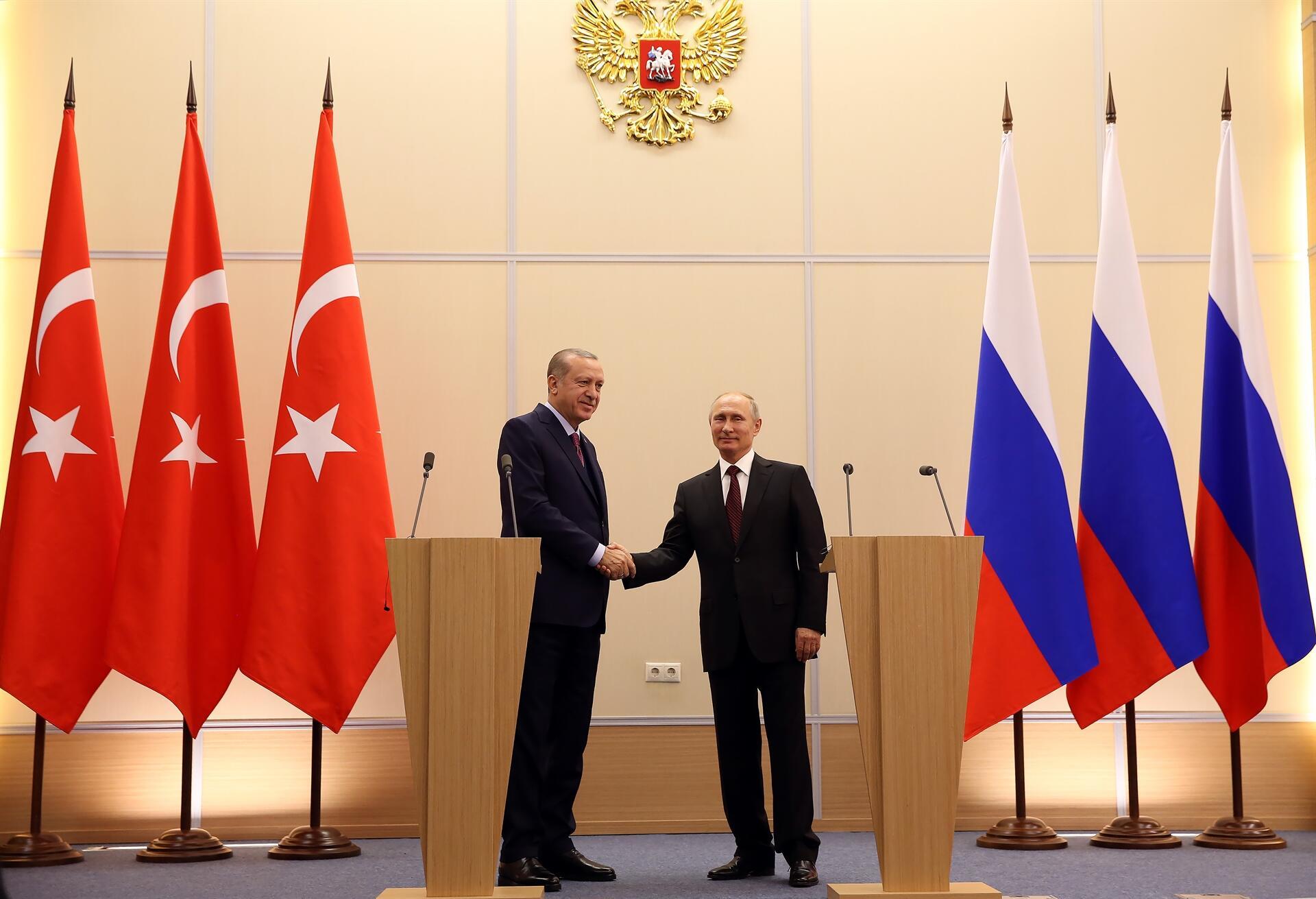
The Russian-Turkish “Co-opetition” in Eurasia and Beyond (By Yeghia Tashjian)

Introduction  “Co-opetition” was a term coined by Adam M. Brandenburger and Barry Nalebuff to describe a paradoxical strategy of cooperation among competitors, enabling them to collectively achieve mutual gains. It’s a relatively new term in international relations and used occasionally in international trade.

Beyond the Centennials of the Moscow and Kars Treaties (By Yeghia Tashjian)

The year 1921 officially put an end to the independence and territorial unity aspirations of the First Armenian Republic—a republic that was squeezed between the Kemalist Turkey and its Tatar agents and the Bolsheviks. On March 16, 1921, the Grand National Assembly of

Is Iran making a comeback to the South Caucasus? (By Yeghia Tashjian)

In one of my previous articles “Iran and the Second Artsakh War: Has Tehran lost its leverage over the South Caucasus?” I argued that from a geopolitical and geo-economic point of view, Iran lost its influence in the region after the 2020 war.

Book Review | Political Relations Between Mongols and Kingdom of Lesser Armenia (By Yeghia Tashjian)

In his book Political Relations between Mongols and Kingdom of Lesser Armenia (1236-1277AD) and its impact on Islamic History (published in Beirut, 2020), Dr. Abdulla bin Jassim Ali Al-Thani writes about the regional order in the Near East during the 13th century and the impact of

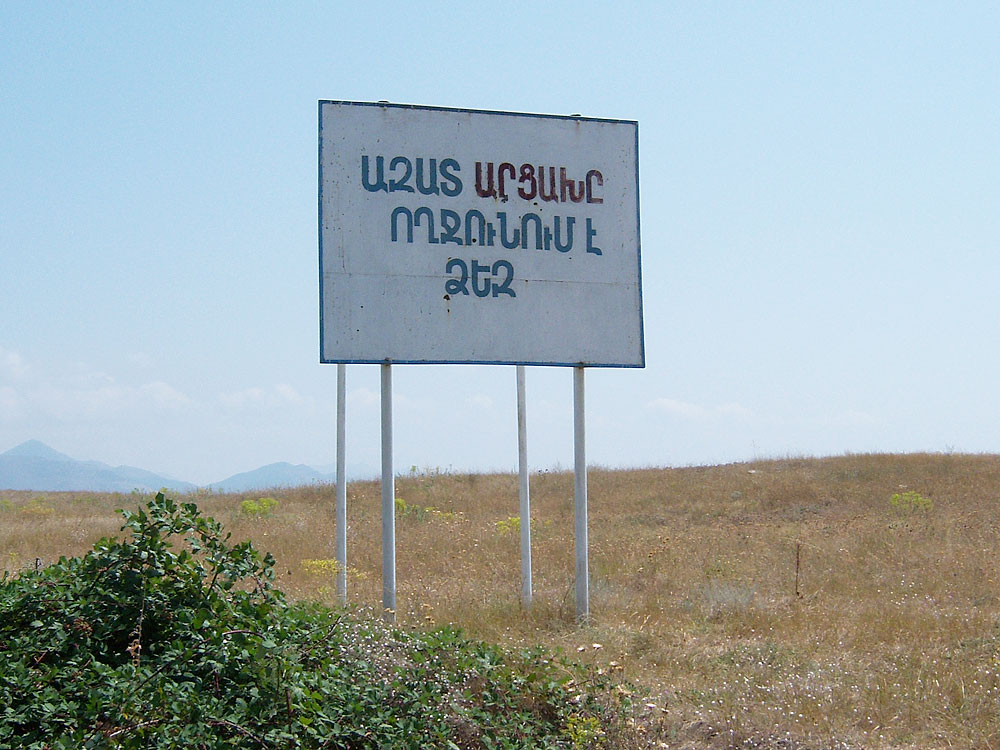
What kind of Artsakh do we want? (By Yeghia Tashjian)

I wanted to write about this a long time ago, even before the war. But the Artsakh War, its devastating outcome on the Armenian nation and its political ideology pushed me to raise some provocative questions and arguments. What kind of Artsakh do

Revolutionizing the Turkish Army under Erdogan (By Yeghia Tashjian)

Back in July, Rich Outzen published a policy paper “Deals, Drones and National Will: The New Era in Turkish Power Projection” in the Washington Institute for Near East Policy highlighting the new strategy of the Turkish Armed Forces, the development of the arms

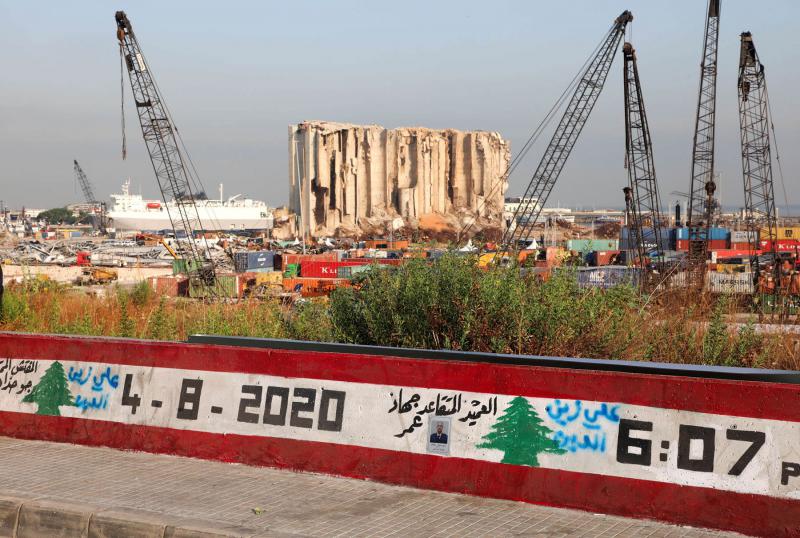
One Year After the Beirut Blast (By Yeghia Tashjian)

On August 4, 2020 at around 6 PM local time, a huge chemical explosion shook Beirut and its surrounding cities. The Port of Beirut was no more. But the destruction was not limited to the Port; the areas surrounding the explosion site along the

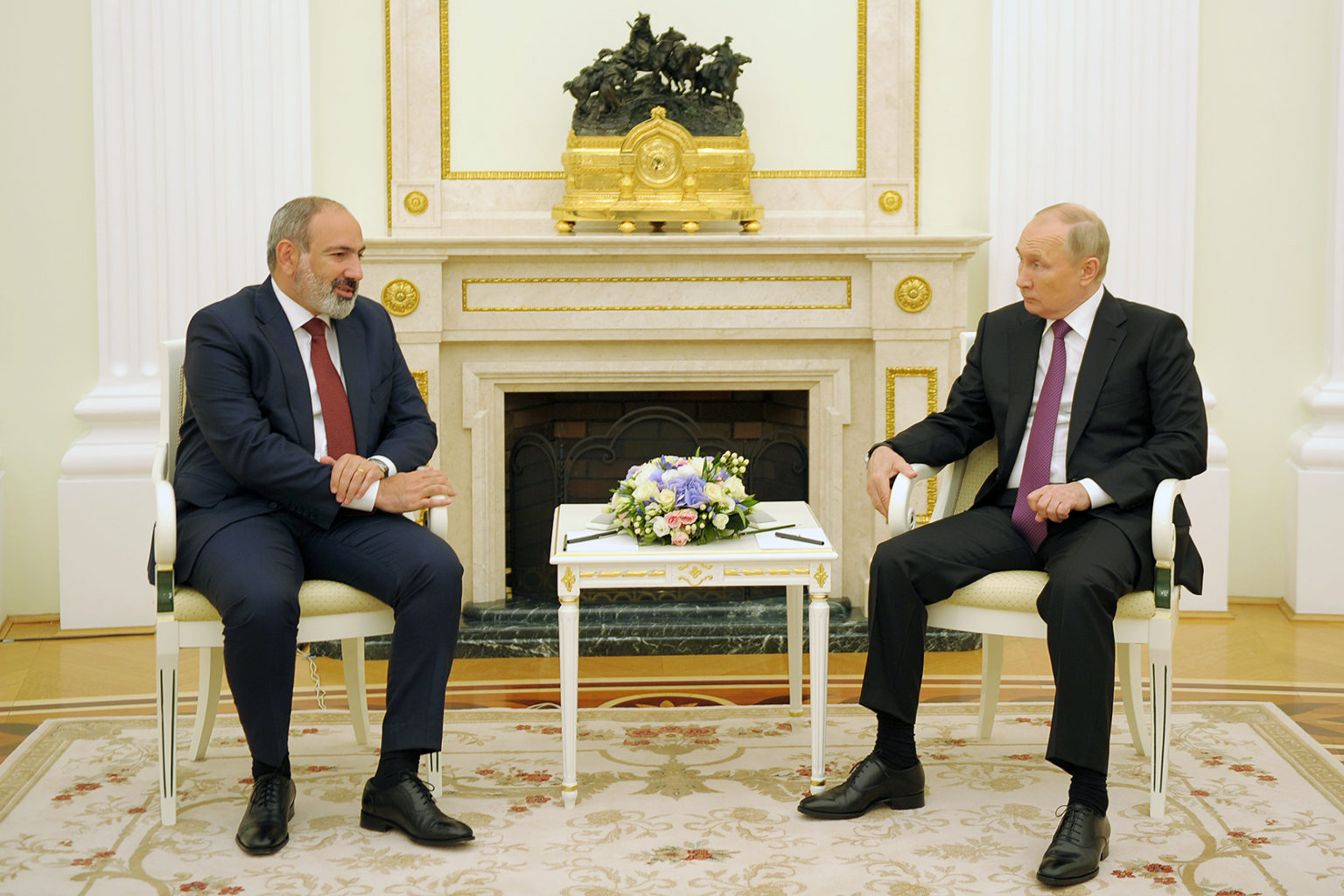
Pashinyan’s Foreign Policy Challenges (By Yeghia Tashjian)

Caretaker PM Nikol Pashinyan and his party’s euphoria from election victory will soon disappear, since for them, the post-election period will be full of foreign policy challenges linked to the post-war regional dynamics in the South Caucasus. These challenges range from Armenia’s balancing

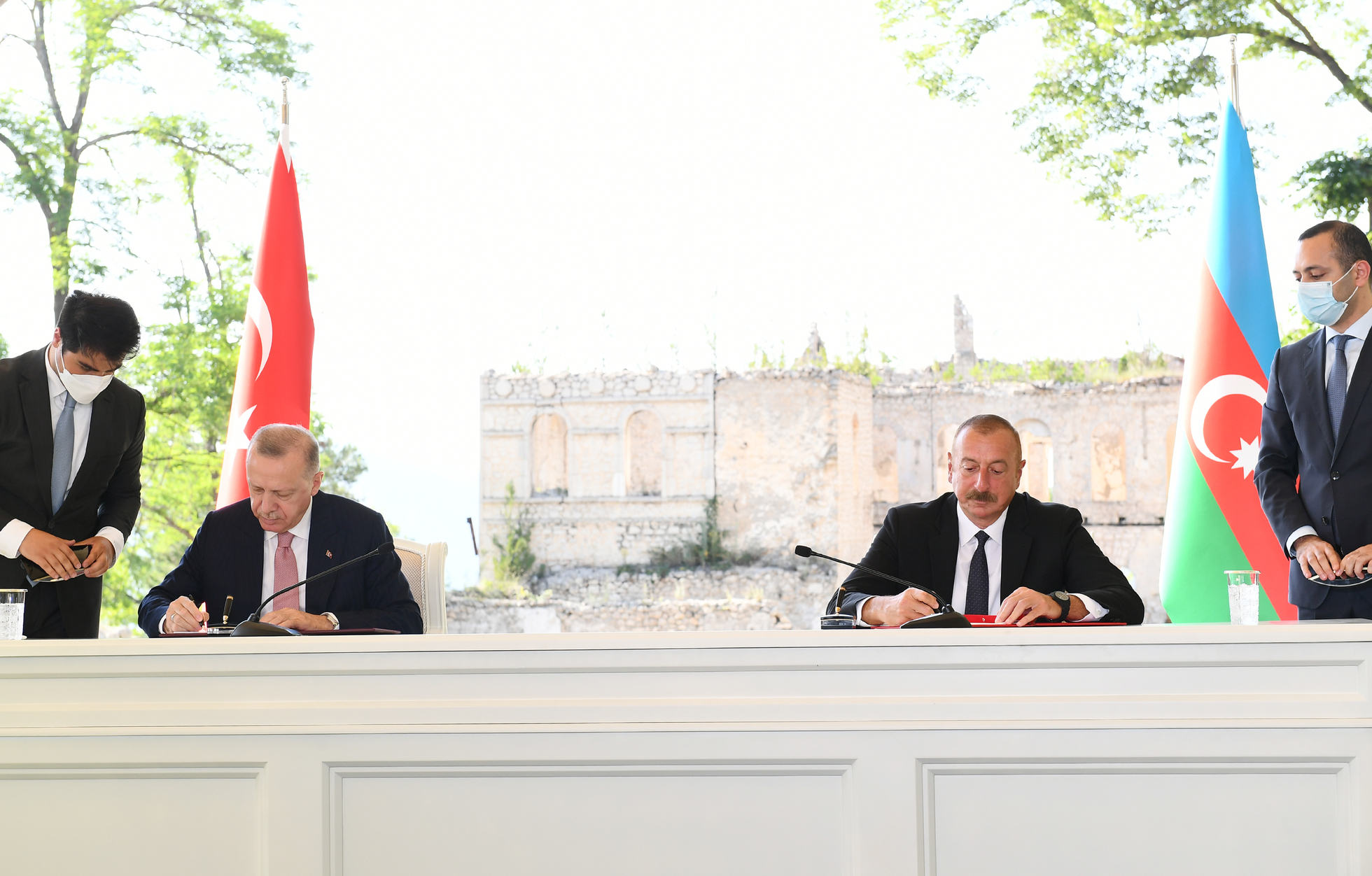
“Shushi Declaration” and its Implications on the South Caucasus and Beyond (By Yeghia Tashjian)

On June 15, 2021, during his visit to occupied Shushi, Turkish President Recep Tayyip Erdogan signed the Shushi Declaration with his Azerbaijani counterpart Ilham Aliyev to cement “allied relations” between the two countries. The declaration consists of many important points including mutual defense guarantees and