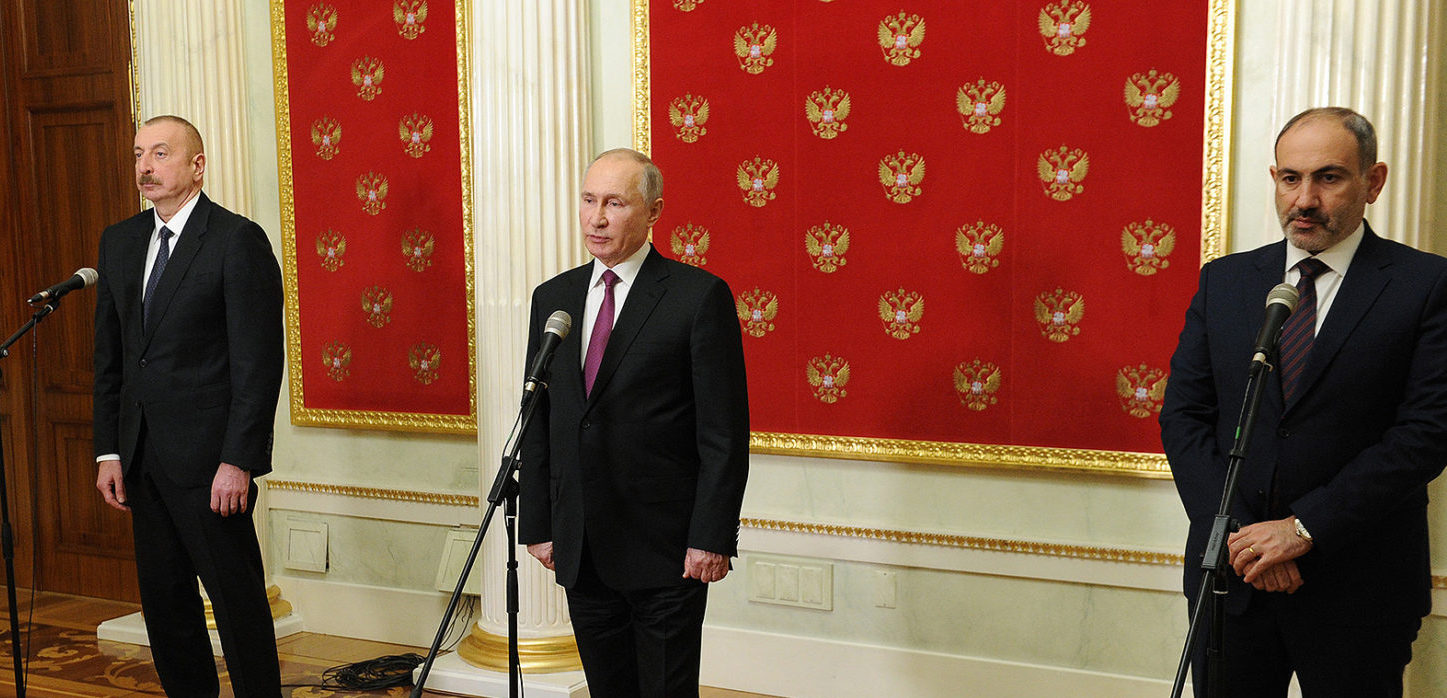
Beyond the Centennials of the Moscow and Kars Treaties (By Yeghia Tashjian)

The year 1921 officially put an end to the independence and territorial unity aspirations of the First Armenian Republic—a republic that was squeezed between the Kemalist Turkey and its Tatar agents and the Bolsheviks. On March 16, 1921, the Grand National Assembly of
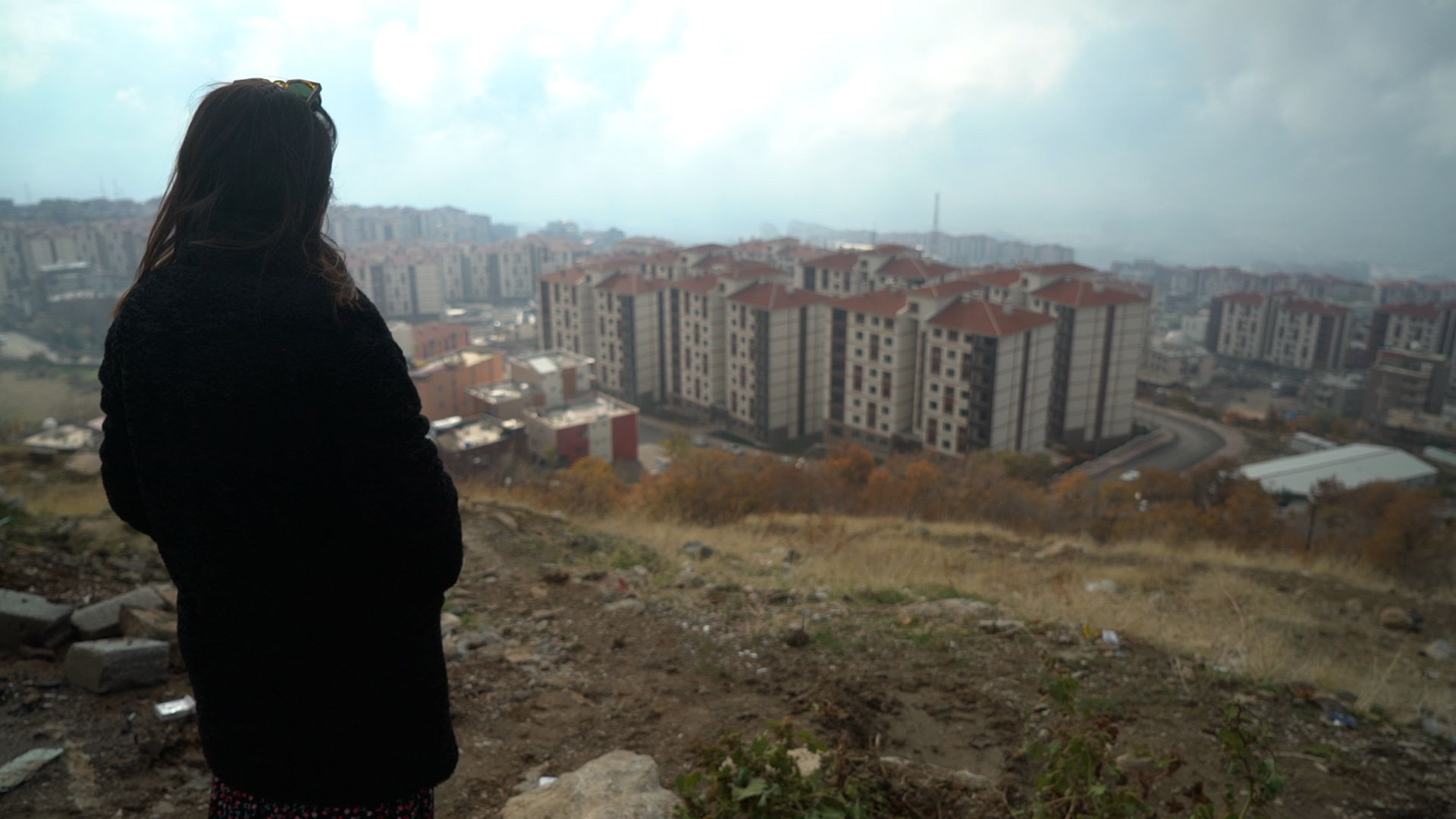
A cry with a hand wave from a high-rise block: Forced dispossession and resettlement in Southeast Turkey (By Özlem Belçim Galip)

  The desperate situation of Kurdish women in the Kurdish region of Turkey struck me first while shooting my documentary film in late 2019 in several cities in the region. I managed to observe the intense changes to the socio-cultural dynamics accompanying the

Revolutionizing the Turkish Army under Erdogan (By Yeghia Tashjian)

Back in July, Rich Outzen published a policy paper “Deals, Drones and National Will: The New Era in Turkish Power Projection” in the Washington Institute for Near East Policy highlighting the new strategy of the Turkish Armed Forces, the development of the arms

“Shushi Declaration” and its Implications on the South Caucasus and Beyond (By Yeghia Tashjian)

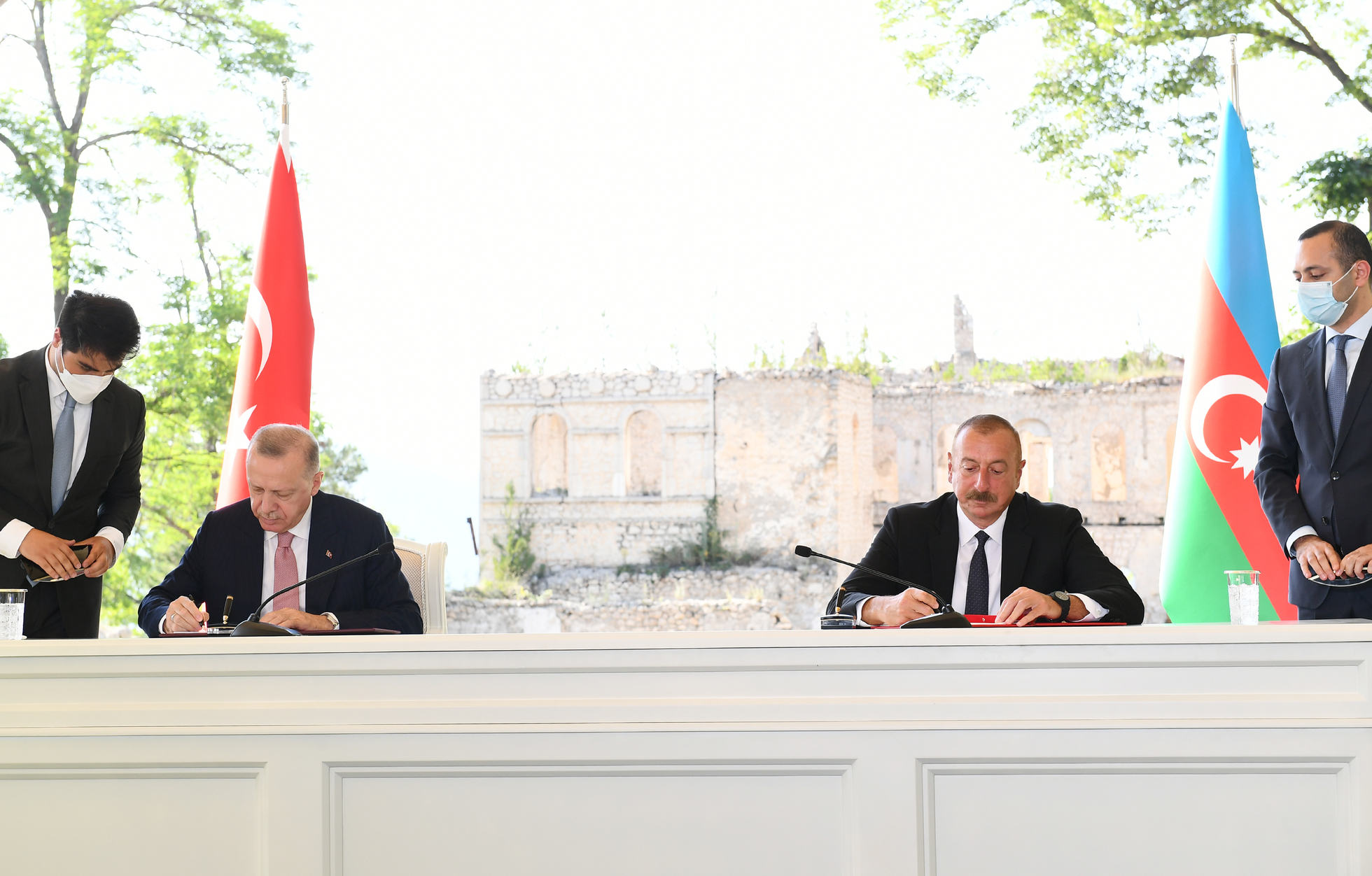
On June 15, 2021, during his visit to occupied Shushi, Turkish President Recep Tayyip Erdogan signed the Shushi Declaration with his Azerbaijani counterpart Ilham Aliyev to cement “allied relations” between the two countries. The declaration consists of many important points including mutual defense guarantees and

Book Review | Ataturk in the Nazi Imagination (by Yeghia Tashjian)

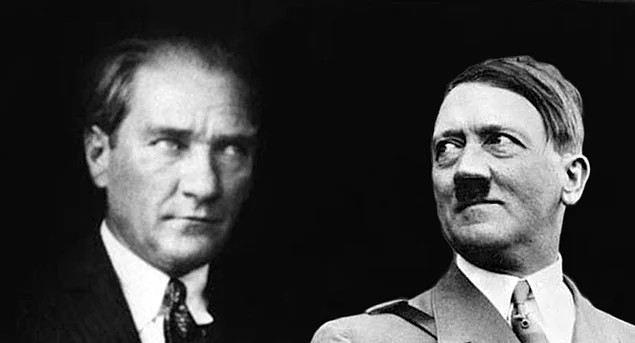
Early in his career, Nazi leader Adolf Hitler took inspiration from Benito Mussolini, his senior colleague in fascism; this fact is widely known. But an equally important role model for Hitler and the Nazi Party was Mustafa Kemal Ataturk, the founder of modern

More Than Just a Map: Stratfor’s Map of Turkey’s Sphere of Influence 2050 (By Yeghia Tashjian)

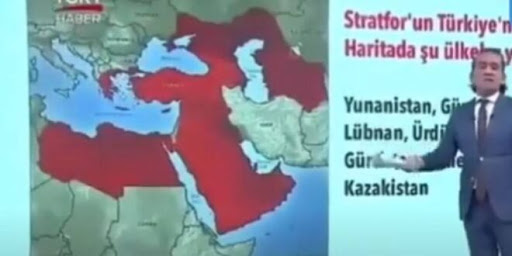
George Friedman, The Next 100 Years: A Forecast for the 21st Century, pp. 203 (Doubleday, 2009)   Stratfor is an intelligence-based “research center” often described as the “shadow CIA” whose advisory is to sell intelligence. Its founder George Friedman published a book in 2009 titled “The

Turkey’s Pivot in Central Asia: A Calculated Risk? (By Yeghia Tashjian)

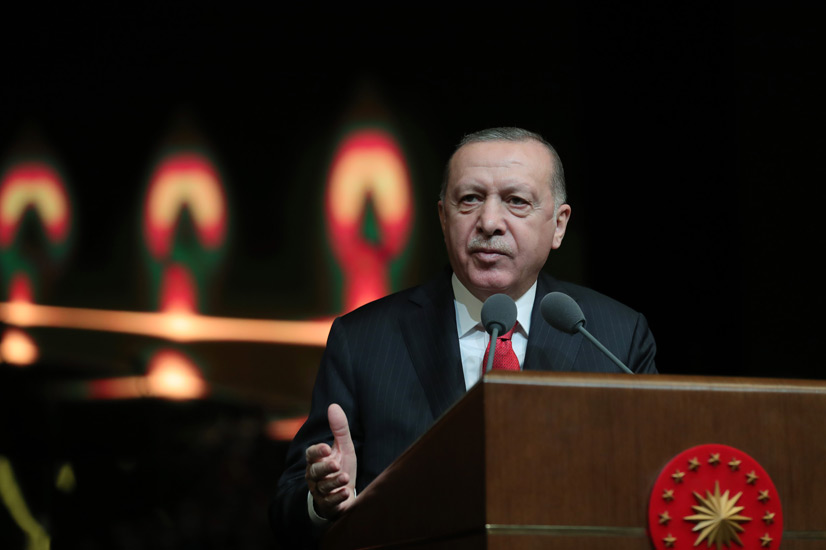
Turkey, under President Erdogan, is increasingly pursuing a proactive foreign policy designed to achieve four objectives: challenge the regional status quo, forge a global leadership role, enhance the regime’s domestic legitimacy and ensure its survival. Central Asia plays a key role in Erdogan’s domestic, trade

Joe Biden’s presidency and the possible geopolitical shifts in the Middle East (By Yeghia Tashjian)

President Joe Biden has inherited a state of disorder in the Middle East from Donald Trump. Powers such as Russia and Turkey have filled the vacuum as the US has, to a certain degree, isolated itself from regional issues. Biden is expected to

Iran and the Second Artsakh War: Has Tehran lost its leverage over the South Caucasus? (By Yeghia Tashjian)

Introduction When it comes to the South Caucasus, Iran is historically and geographically a crucial regional actor alongside Russia and Turkey. To assert its influence in the Nagorno-Karabakh/Artsakh conflict, Tehran had offered to mediate between Armenia and Azerbaijan on various occasions, but its

The Division of Trade Spoils over Armenia (By Yeghia Tashjian)

After the armistice of November 10, Russia gained significant strategic advantages in the South Caucasus. Russia did not just score a military victory by consolidating its military presence in the region, but it is also facilitating the construction of railways and trade networks.