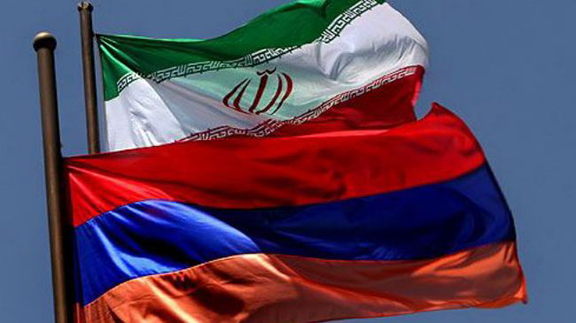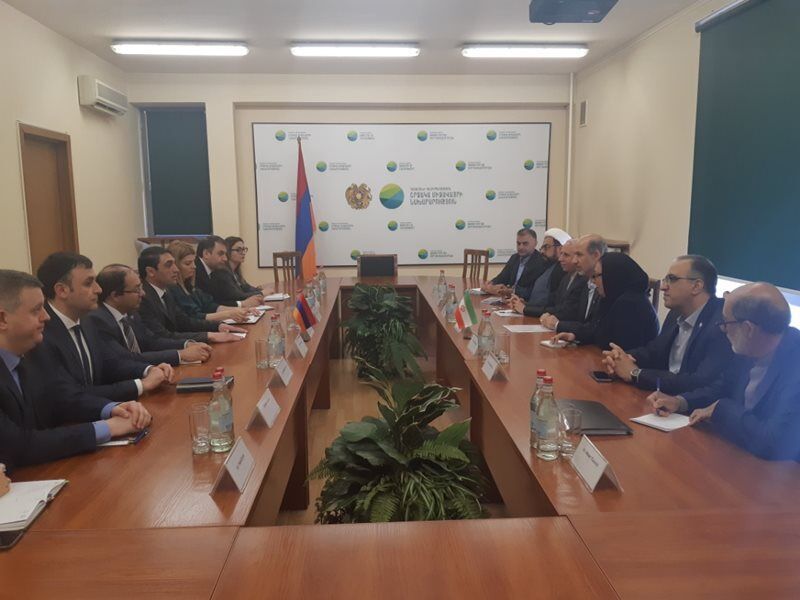
Iran plays its cards in the South Caucasus (by Yeghia Tashjian)

In recent months, Iran has engaged in active foreign policy in the South Caucasus to push its geo-economic interests forward. Meanwhile, Western-led economic sanctions have pushed Russia to realize the significance of the North-South trade route. Iran defused and refreshed its relations with

Armenia and India’s Vision of “North-South Corridor”: A Strategy or a “Pipe Dream”? (by Yeghia Tashjian)

On March 8, the Indian Ambassador to Iran Gaddam Dharmendra announced that India is planning on connecting the Chabahar port (a seaport in southeast Iran, heavily invested in by India) and the Indian Ocean with Eurasia and Helsinki through the territory of Armenia, creating an International

Turkey’s Pivot in Central Asia: A Calculated Risk? (By Yeghia Tashjian)

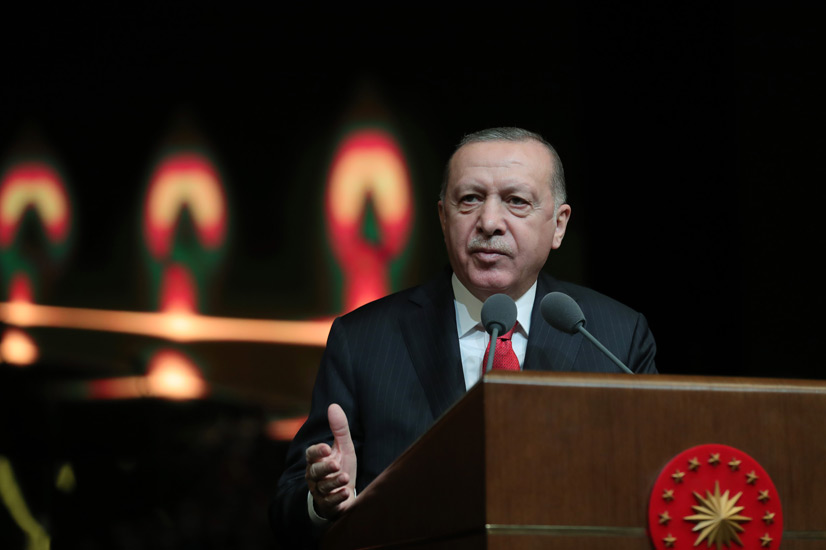
Turkey, under President Erdogan, is increasingly pursuing a proactive foreign policy designed to achieve four objectives: challenge the regional status quo, forge a global leadership role, enhance the regime’s domestic legitimacy and ensure its survival. Central Asia plays a key role in Erdogan’s domestic, trade

Iran and the Second Artsakh War: Has Tehran lost its leverage over the South Caucasus? (By Yeghia Tashjian)

Introduction When it comes to the South Caucasus, Iran is historically and geographically a crucial regional actor alongside Russia and Turkey. To assert its influence in the Nagorno-Karabakh/Artsakh conflict, Tehran had offered to mediate between Armenia and Azerbaijan on various occasions, but its

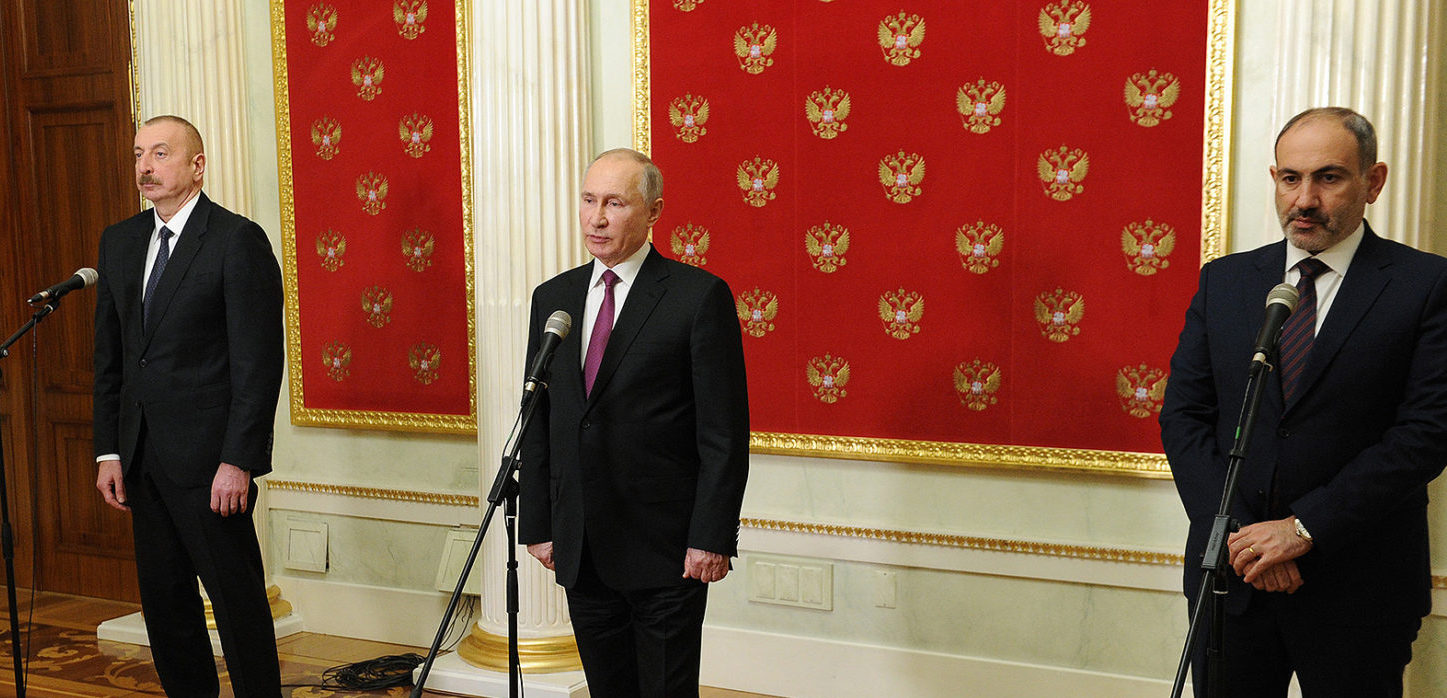
The Division of Trade Spoils over Armenia (By Yeghia Tashjian)

After the armistice of November 10, Russia gained significant strategic advantages in the South Caucasus. Russia did not just score a military victory by consolidating its military presence in the region, but it is also facilitating the construction of railways and trade networks.