The Division of Trade Spoils over Armenia (By Yeghia Tashjian)

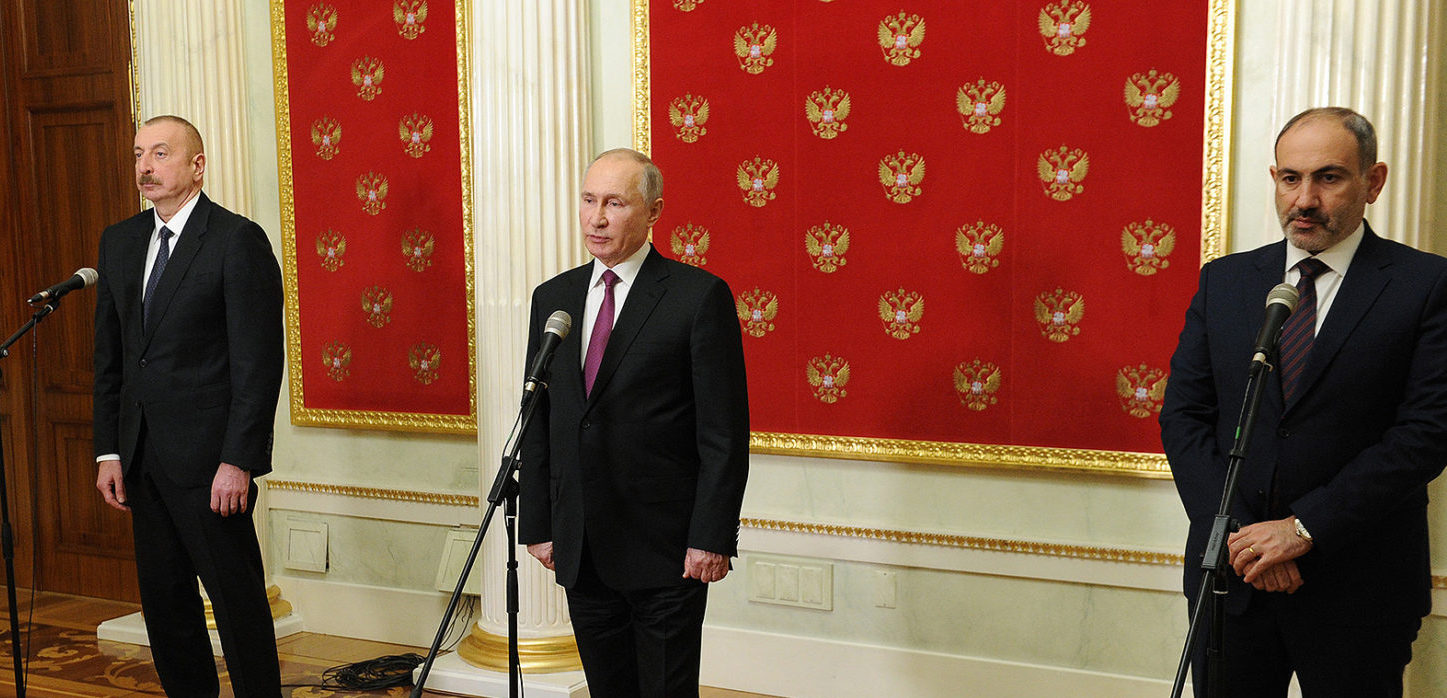
After the armistice of November 10, Russia gained significant strategic advantages in the South Caucasus. Russia did not just score a military victory by consolidating its military presence in the region, but it is also facilitating the construction of railways and trade networks.
How Armenia Underestimated Regional Geopolitics (By Yeghia Tashjian)

The question that Armenian authorities must ask is not if authorities in Yerevan underestimated or miscalculated the geopolitical shifts in the region or not, but how they underestimated, miscalculated and ignored the shifting balance of power in the Middle East and beyond. Geopolitics is

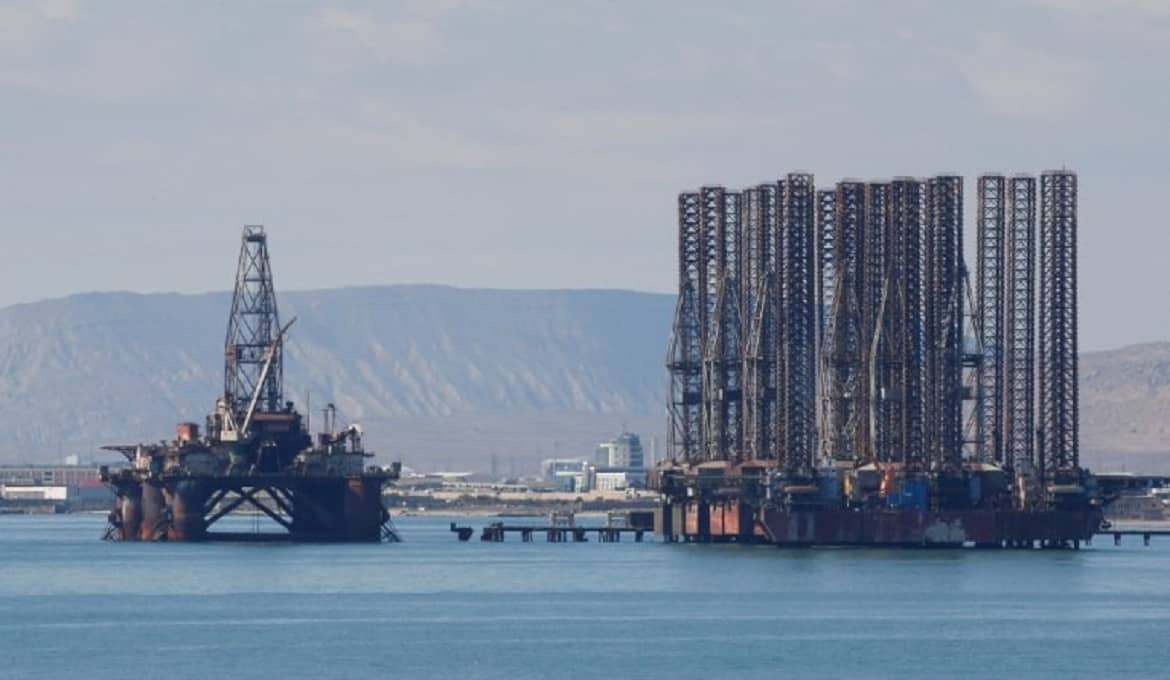
The Geopolitical and Energy Security Dimensions of the Latest Armenian-Azerbaijani Clashes (Yeghia Tashjian)

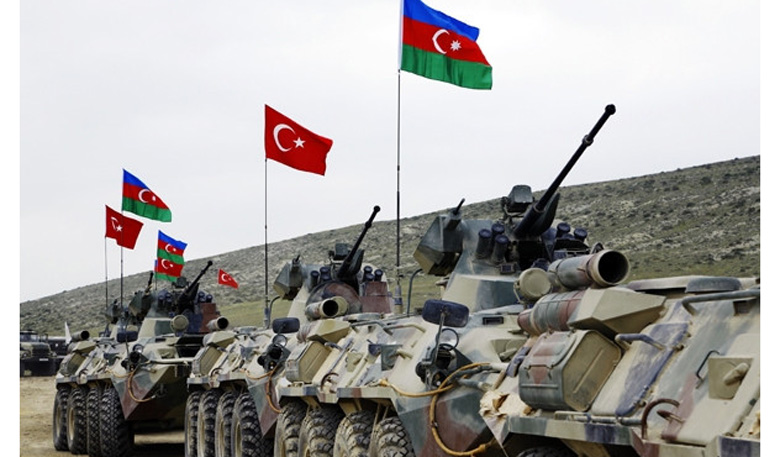
There are currently three major zones of possible escalations between Russia and Turkey: the Levantine zone in Syria, the Mediterranean zone in Libya, and the Caucasian zone between Armenia and Azerbaijan. All of these zones are interconnected with each other. The latest Azerbaijani

Irreplaceable losses in Azerbaijan’s economy from oil crisis and coronavirus (By Anton Evstratov)

The collapse in oil prices combined with the necessary quarantine measures related to the coronavirus pandemic has caused damage to the Azerbaijani economy, which will be extremely difficult to overcome even in favorable macroeconomic scenarios. Between the beginning of January and the end

Iran – South Caucasus. Current stage and perspectives of relations (Benyamin Poghosyan)

Iran is one of the key geopolitical actors of the Middle East. Despite the current “diplomatic isolation and maximum economic pressure” campaign launched by the US President Trump Administration, Iran retains its capabilities of making serious impact on regional geopolitics. It exerts political

Deciphering Armenia – Russia relations after the “Velvet Revolution” (By Benyamin Poghosyan)

A pivot towards the West is simply not in Armenia’s best interest. Immediately after the “Velvet Revolution” in Armenia during the spring of 2018, the main narrative regarding possible developments in Armenian and Russian relations focused on negative expectations. Conventional wisdom brought plenty

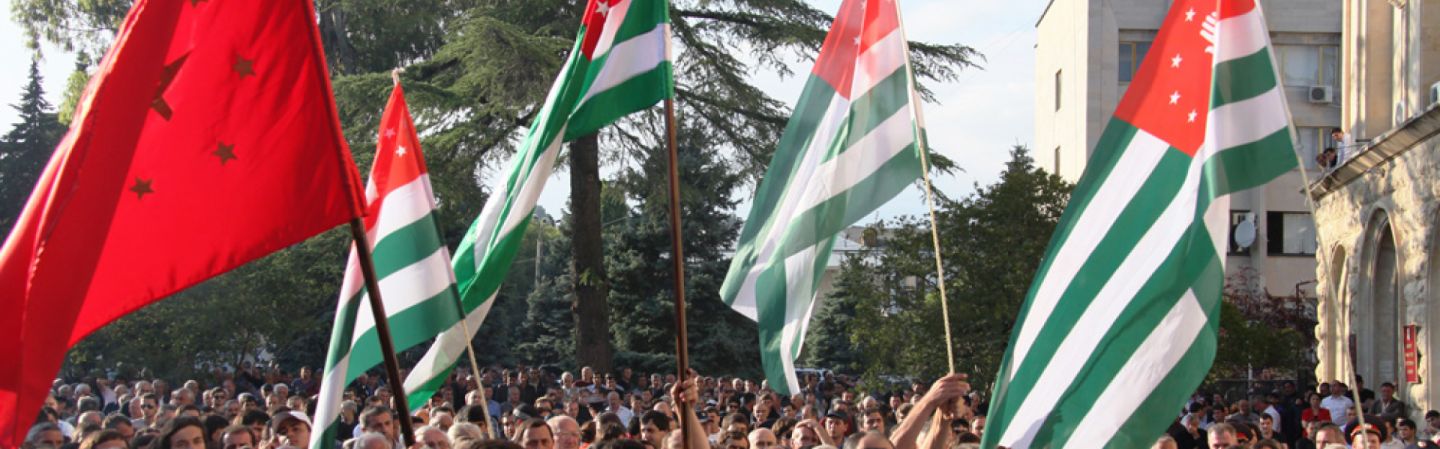
Conflict and negotiation between Georgia and Abkhazia: What went wrong? (By Dogachan Dagi)

  Abstratct   The road to the Georgian-Abkhazian war in 1992-1993 was paved by constantly increasing mutual mistrust, outright rejection of the possible differentiated interests and categorical belief in absolute gain. These structural and perceptional problems continued to undermine the peace negotiations as

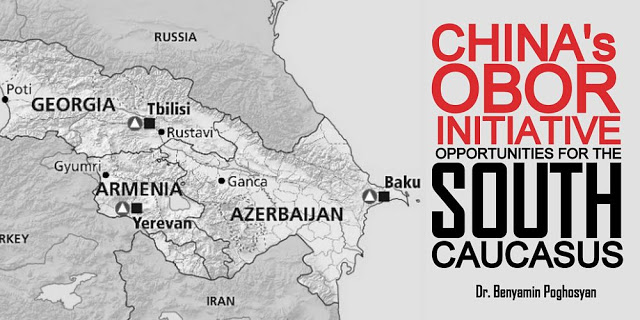
China’s OBOR Initiative — Opportunities for the South Caucasus (Benyamin Poghosyan)

The “South Caucasus” has a strategic locational advantage by connecting Europe with Asia and the Middle East. After the collapse of the Soviet Union three internationally recognized independent states — Armenia, Azerbaijan, and Georgia — emerged in the region and all three pursues distinctively different foreign policy goals since their inception. Armenia Due

The regional security situation remains challenging (By Benyamin Poghosyan)

The South Caucasus is facing multiple security challenges with no clear path to overcome them in the foreseeable future. The conflicts in Nagorno Karabakh, Abkhazia, and South Ossetia are hampering any efforts to have an inclusive regional cooperation, and are the key reasons

Armenia and Azerbaijan’s Evolving Implicit Rivalry Over Nakhchivan (By Eduard Abrahamyan)

The unprecedented escalation of violence, in April 2016, on the Line of Contact in the breakaway region of Karabakh had, in part, kick-started a new round of military preparations between Armenia and Azerbaijan (see EDM, April 6, May 5, 2016). But as bloody incidents along