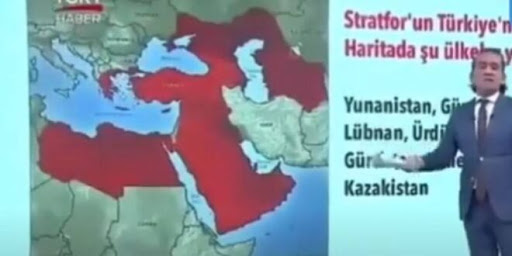
More Than Just a Map: Stratfor’s Map of Turkey’s Sphere of Influence 2050 (By Yeghia Tashjian)

George Friedman, The Next 100 Years: A Forecast for the 21st Century, pp. 203 (Doubleday, 2009)   Stratfor is an intelligence-based “research center” often described as the “shadow CIA” whose advisory is to sell intelligence. Its founder George Friedman published a book in 2009 titled “The
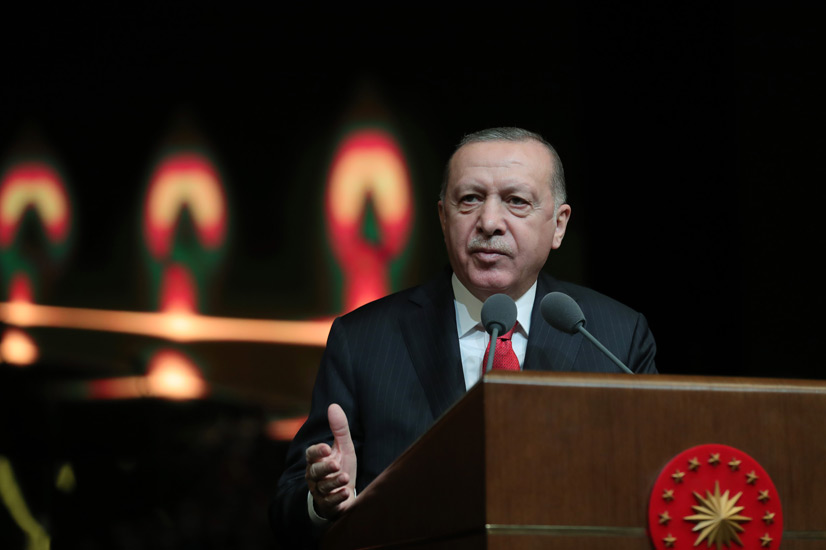
Turkey’s Pivot in Central Asia: A Calculated Risk? (By Yeghia Tashjian)

Turkey, under President Erdogan, is increasingly pursuing a proactive foreign policy designed to achieve four objectives: challenge the regional status quo, forge a global leadership role, enhance the regime’s domestic legitimacy and ensure its survival. Central Asia plays a key role in Erdogan’s domestic, trade

Joe Biden’s presidency and the possible geopolitical shifts in the Middle East (By Yeghia Tashjian)

President Joe Biden has inherited a state of disorder in the Middle East from Donald Trump. Powers such as Russia and Turkey have filled the vacuum as the US has, to a certain degree, isolated itself from regional issues. Biden is expected to

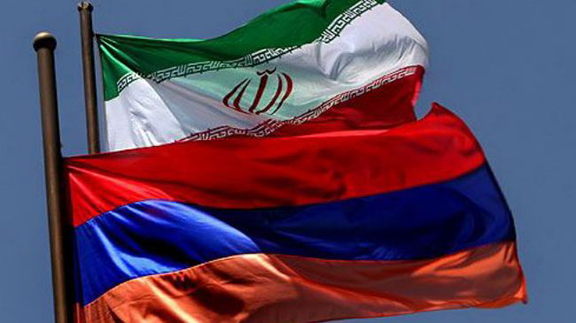
Iran and the Second Artsakh War: Has Tehran lost its leverage over the South Caucasus? (By Yeghia Tashjian)

Introduction When it comes to the South Caucasus, Iran is historically and geographically a crucial regional actor alongside Russia and Turkey. To assert its influence in the Nagorno-Karabakh/Artsakh conflict, Tehran had offered to mediate between Armenia and Azerbaijan on various occasions, but its

How Armenia Underestimated Regional Geopolitics (By Yeghia Tashjian)

The question that Armenian authorities must ask is not if authorities in Yerevan underestimated or miscalculated the geopolitical shifts in the region or not, but how they underestimated, miscalculated and ignored the shifting balance of power in the Middle East and beyond. Geopolitics is

Russia and the Future Status of Shushi (By Yeghia Tashjian

On November 10, 2020, Armenian Prime Minister Nikol Pashinyan announced on Facebook that Yerevan had agreed to a Russian-brokered armistice and thus cessation of hostilities with Azerbaijan. “I made that decision as a result of an in-depth analysis of the military situation and the assessment

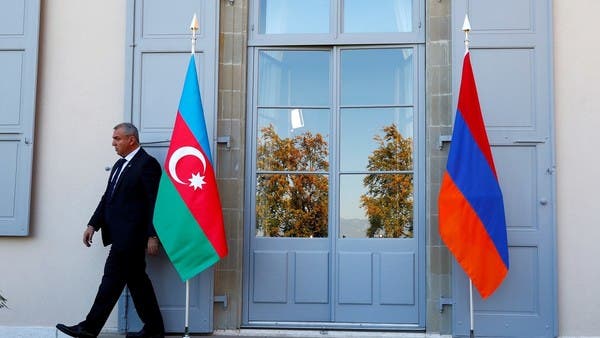
The Geopolitical and Energy Security Dimensions of the Latest Armenian-Azerbaijani Clashes (Yeghia Tashjian)

There are currently three major zones of possible escalations between Russia and Turkey: the Levantine zone in Syria, the Mediterranean zone in Libya, and the Caucasian zone between Armenia and Azerbaijan. All of these zones are interconnected with each other. The latest Azerbaijani

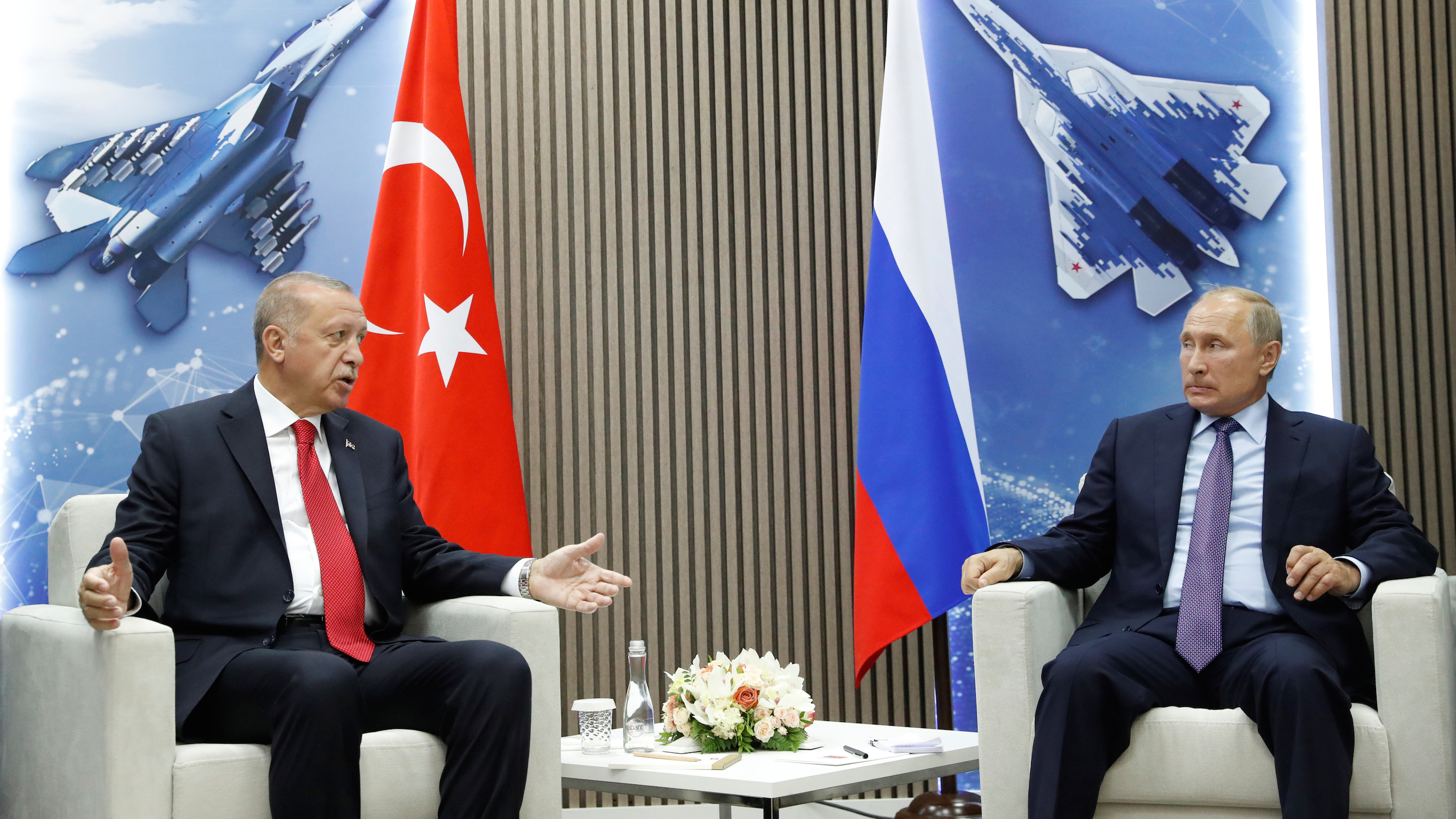
Turkey’s strategic balancing act between Russia and the United States (By Benyamin Poghosyan)

Since the summer 2016 Turkish foreign policy has been facing a tough challenge – how to balance its growing partnership with Russia with its relations with the US. The rising tensions between the US and Russia, as well as the widening gap between

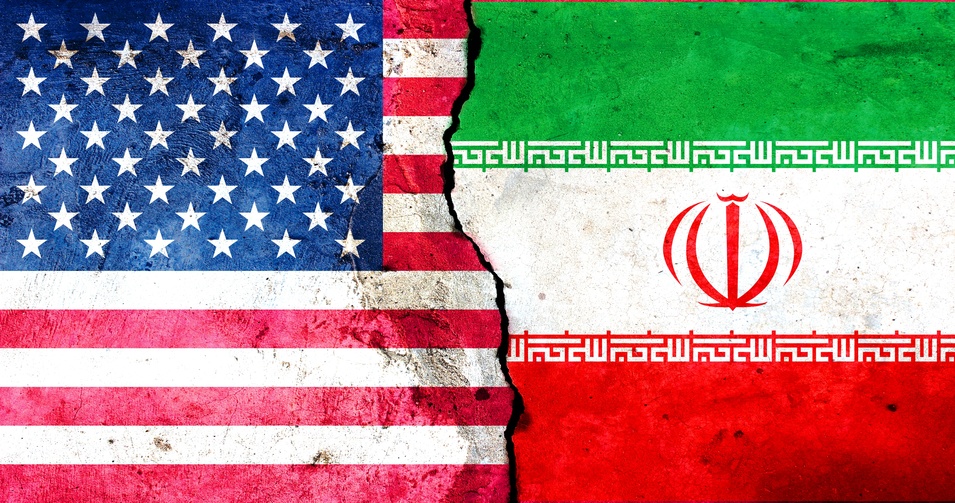
Iran – South Caucasus. Current stage and perspectives of relations (Benyamin Poghosyan)

Iran is one of the key geopolitical actors of the Middle East. Despite the current “diplomatic isolation and maximum economic pressure” campaign launched by the US President Trump Administration, Iran retains its capabilities of making serious impact on regional geopolitics. It exerts political

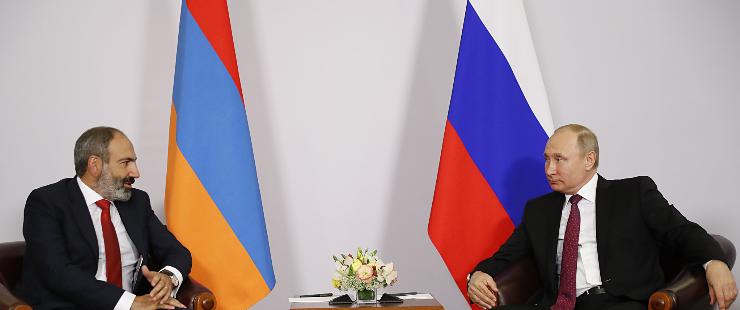
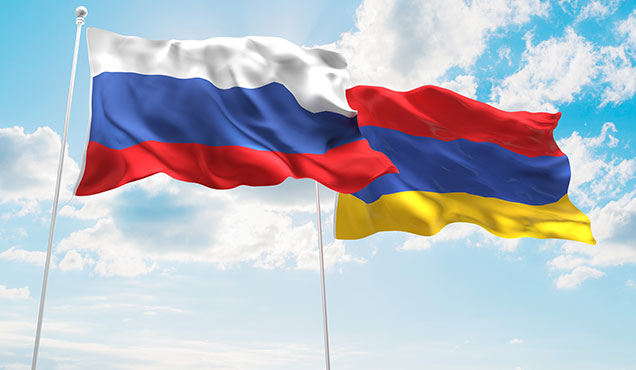
Deciphering Armenia – Russia relations after the “Velvet Revolution” (By Benyamin Poghosyan)

A pivot towards the West is simply not in Armenia’s best interest. Immediately after the “Velvet Revolution” in Armenia during the spring of 2018, the main narrative regarding possible developments in Armenian and Russian relations focused on negative expectations. Conventional wisdom brought plenty