Book Review: The Armenians of Aintab (by Yeghia Tashjian)

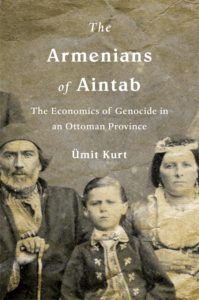
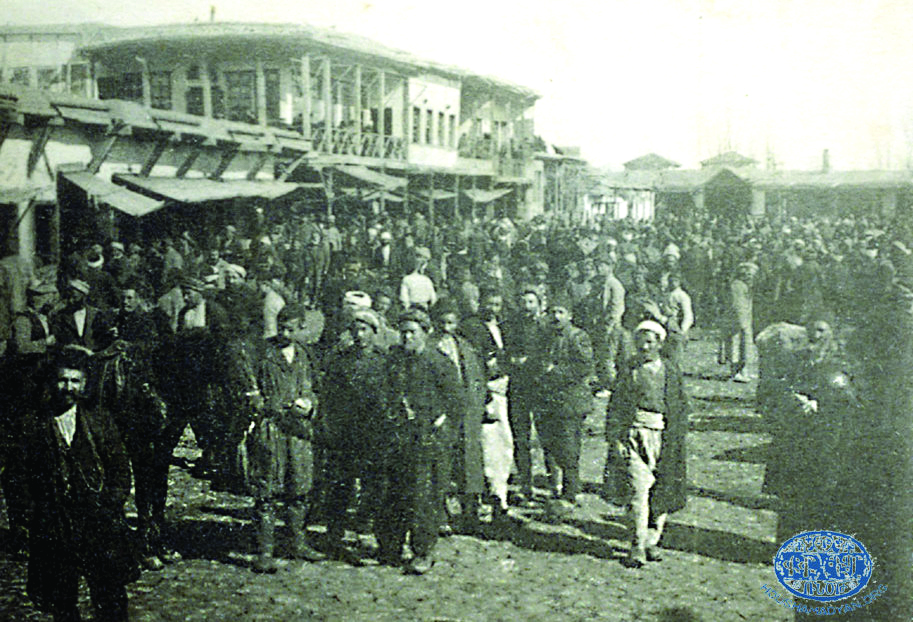
The Armenians of Aintab: The Economics of Genocide in an Ottoman Province By Ümit Kurt Harvard University Press, April 2021 400 pp. $45.00 As an Aintabtsi Armenian, Dr. Ümit Kurt’s book The Armenians of Aintab; The Economics of Genocide in an Ottoman Province pushed me
The Class Struggle in the Ottoman Empire and the Armenian Genocide (By Yeghia Tashjian)

Starting in the 19th century, the Ottoman Empire was undergoing an economic transition and European powers were meddling in the empire’s economic system. This factor gave rise to the Christian middle class at the expense of the traditional Muslim middle class. To counter this

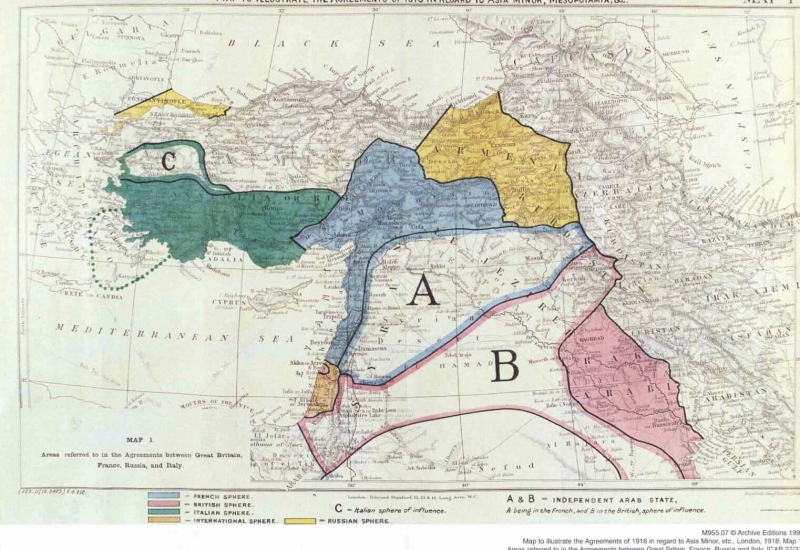
An untold story about the division of Kurdistan (By Kardo Bokanî )

Signed on 24 July 1923, the Lausanne Treaty divided Kurdistan between Turkey, Iran, Iraq, Syria and Azerbaijan. Even though we are entering its 94th anniversary now, one serious aspect of the Treaty has often, wittingly or unwittingly, been omitted. The dominant narrative maintains

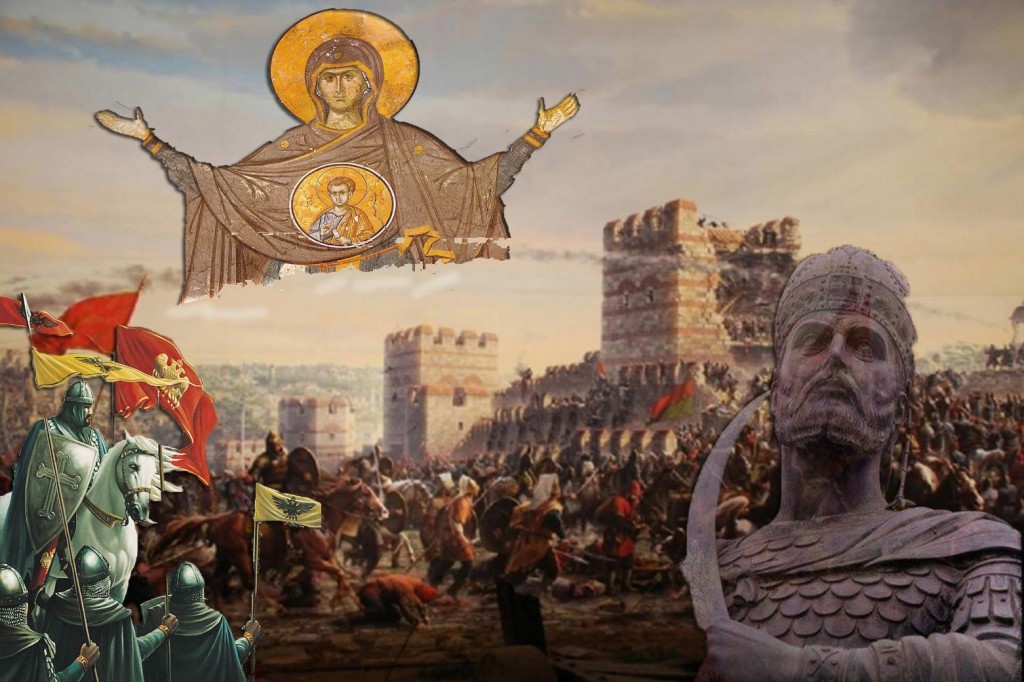
Embrace and Farewell: Remembering 29 May 1453 (By Rehan Nishanian)

On May 29, the 564th anniversary of the conquest of Istanbul will be celebrated in Turkey with pride and fanfare, while others will remember the same historical event with sadness.  A Greek-Canadian co-worker of mine had said on a May 29th: “We never

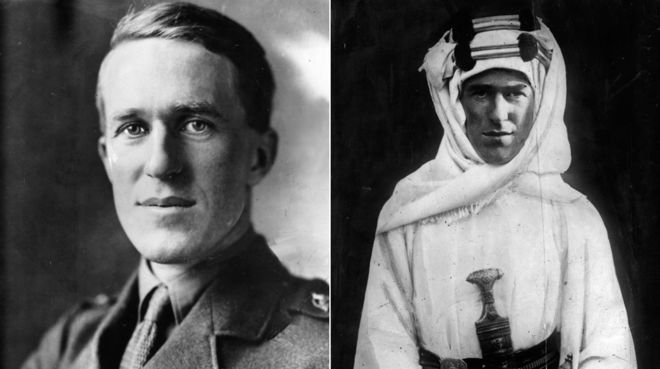
A Brief Overview of Malcolm Brown’s T.E. Lawrence (By Bedros Torossian)

This short book offers an overview of T.E. Lawrence’s dynamic life. It consists of 160 pages and is made up of nine chapters. It is enriched with beautiful illustrations of people, places and animals. As Brown notes, Lawrence was an extraordinary person with

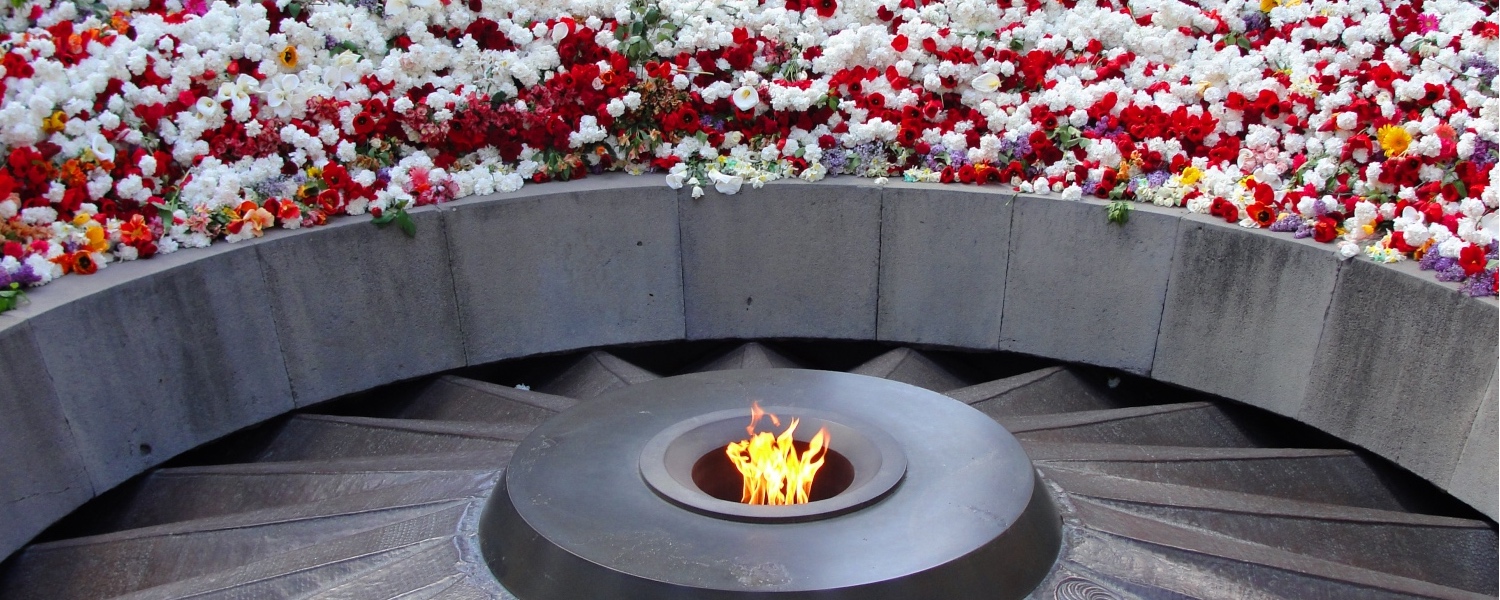
Turkey Uncensored: ‘First, They Came For the Armenians’ (By Uzay Bulut)

April 24 marked the 102nd anniversary of the 1915 Armenian Genocide. Armenians around the world – as well those in the international community who care about human rights – remembered the 1.5 million victims of the genocide and paid homage to their legacy.

Armenian Feminism and Reconstructing the Post-Genocide National Identity (Yeghia Tashjian)

In post-genocide or post-catastrophe periods, women are often left out of the national collectivity. That is, in the gendered classification between public and private space that characterizes national structures, women are restrained within the private space and their contributions to In post-genocide or

Dawud Pasha and Ottoman Mount Lebanon (By Bedros Torossian)

Introduction: To begin with, the establishment of the Mutasarrifiyya in Ottoman Mount Lebanon during the year 1861 was of great significance. It was introduced in the light of large number of reforms that were taking place within the Ottoman territories during the nineteenth

The Rise and Decline of the Ottoman Armenian Amira Class (By Bedros Torossian)

Introduction The Armenians were one of the millets of the Ottoman Empire. Identifying their exact number is difficult, but according to records from the Armenian Patriarchate of Constantinople, there were approximately 3,000,000 Armenians living within the Empire in 1872.[1]By the end of the

Plead guilty! Germany has a moral duty in recognizing the Armenian Genocide

When I visited Marburg three years ago, I had short discussion with many young German scholars. Most were aware of the Genocide and their country’s responsibility in being silence during that era. I can’t say they were feeling guilty but at least the