After Nagorno-Karabakh, Iran may be next (by Yeghia Tashjian)

Political relations between Azerbaijan and Iran are deteriorating amid signs of closer security and diplomatic cooperation between Baku and Tel Aviv. Israel’s Foreign Minister Eli Cohen’s comments to reporters in Jerusalem on March 29 about his “agreement” with his Azerbaijani counterpart to form
How Iran perceives the developments in Artsakh (by Yeghia Tashjian & Zhanna Vardanyan)

As Russia and Western powers seek to compete in the South Caucasus, many analysts neglect the role of Iran in the region. After the 2020 war and the signing of the November 9 trilateral statement, Iran realized that its geo-economic and geopolitical interests

Beyond the Blocking of the Lachin Corridor (by Yeghia Tashjian)

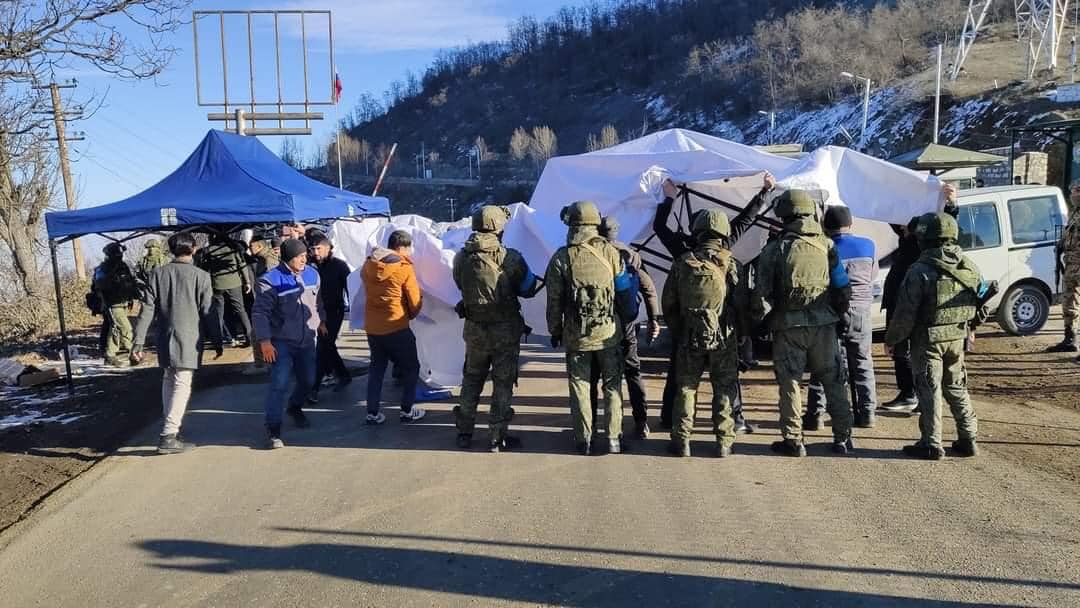
A group of Azerbaijanis in civilian clothes shut down the Stepanakert-Goris highway on the morning of December 12 (Photo: NKR InfoCenter) On December 12, under the pretext of environmentalism, dozens of Azerbaijani state-backed “eco-activists” blocked the only land corridor in the Stepanakert-Shushi section

Can Armenians agree on a unified strategy? (by Yeghia Tashjian)

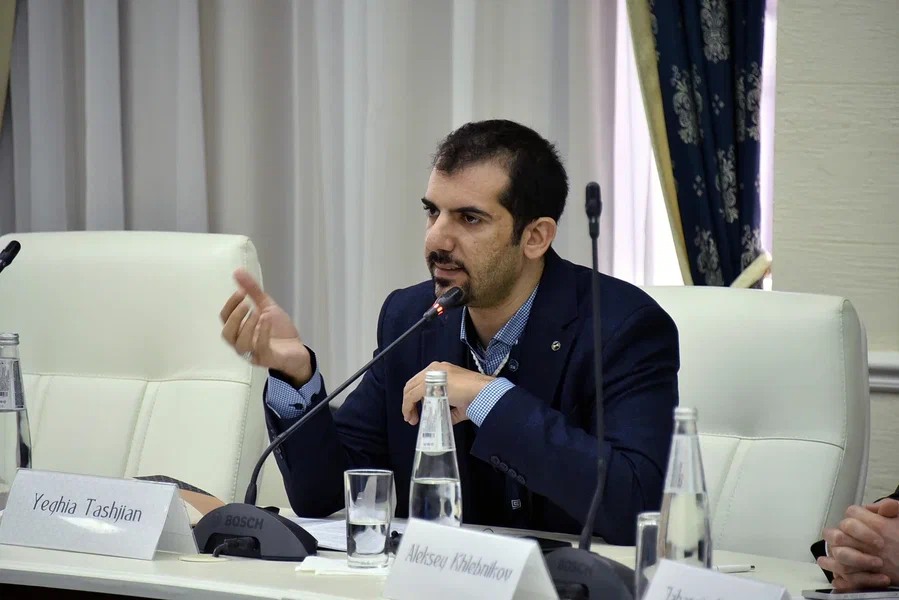
Yeghia Tashjian at the II International Expert Forum “Russia-Middle East” organized by the Primakov Center for International Cooperation at the Pyatigorsk State University, Russia, November 7-10, 2022 Over the past few weeks, I participated in multiple international and regional workshops and conferences in

The Sochi Trilateral Statement: Who has gained what? (by Yeghia Tashjian)

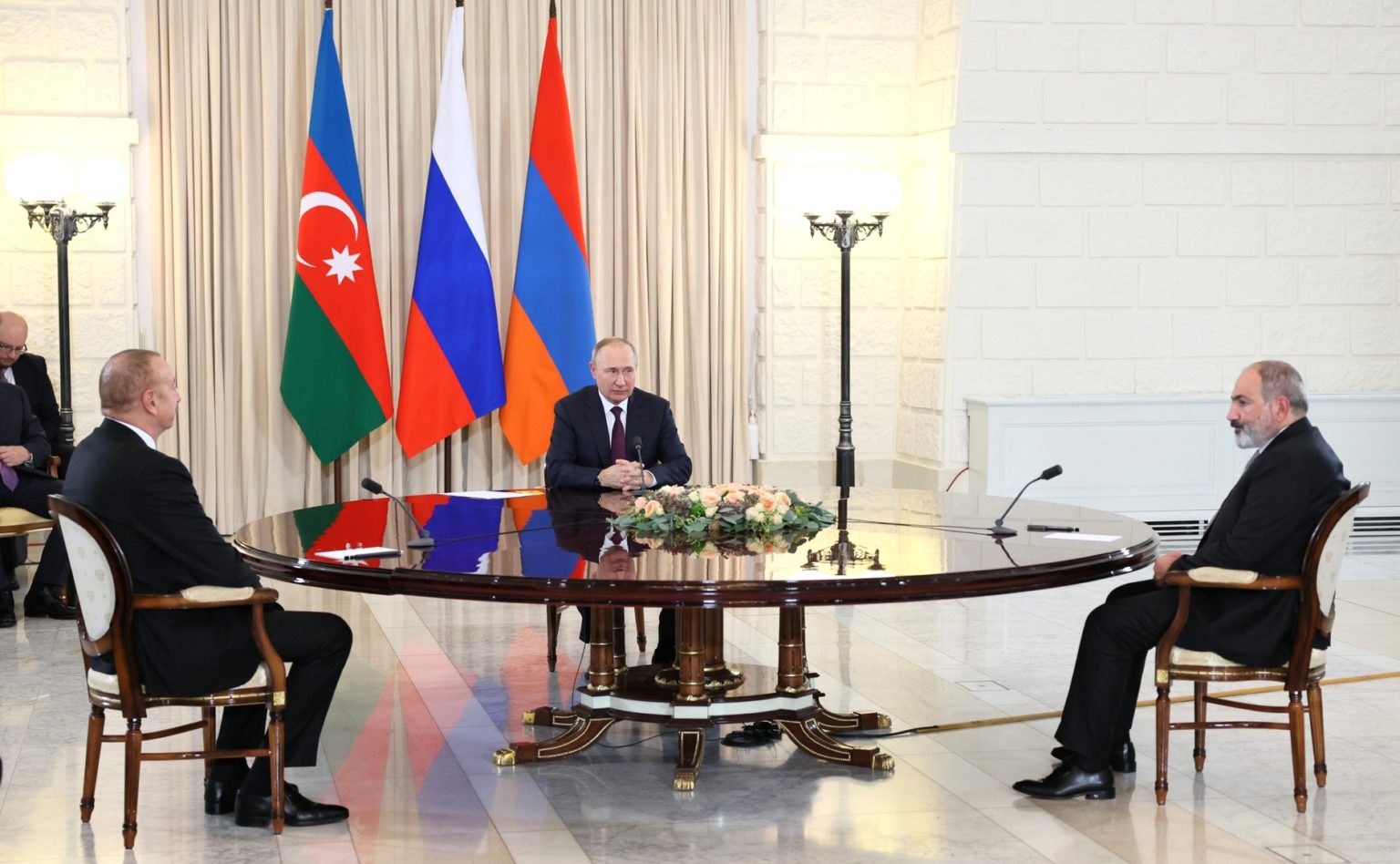
Azerbaijani President Ilham Aliyev, Russian President Vladimir Putin and Armenian PM Nikol Pashinyan meet in Sochi (Kremlin, October 31) On October 25, 2022, Russia’s Foreign Ministry accused the West of pressuring Armenia to cut its traditionally close ties with Moscow in an effort to squeeze

What is to be expected after the Erdogan-Putin summit? (by Yeghia Tashjian)

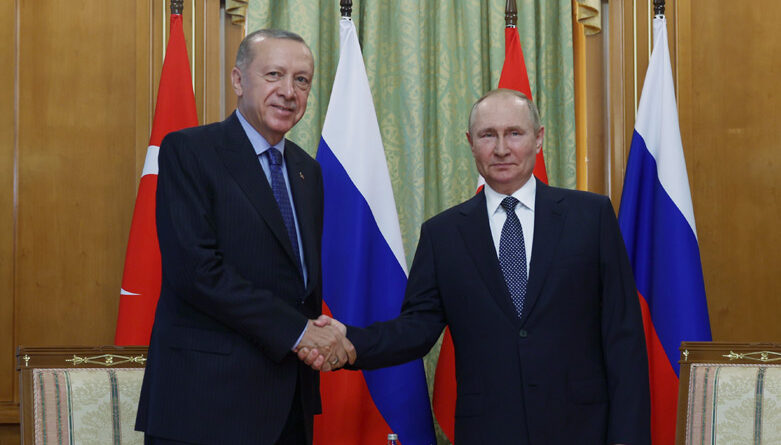
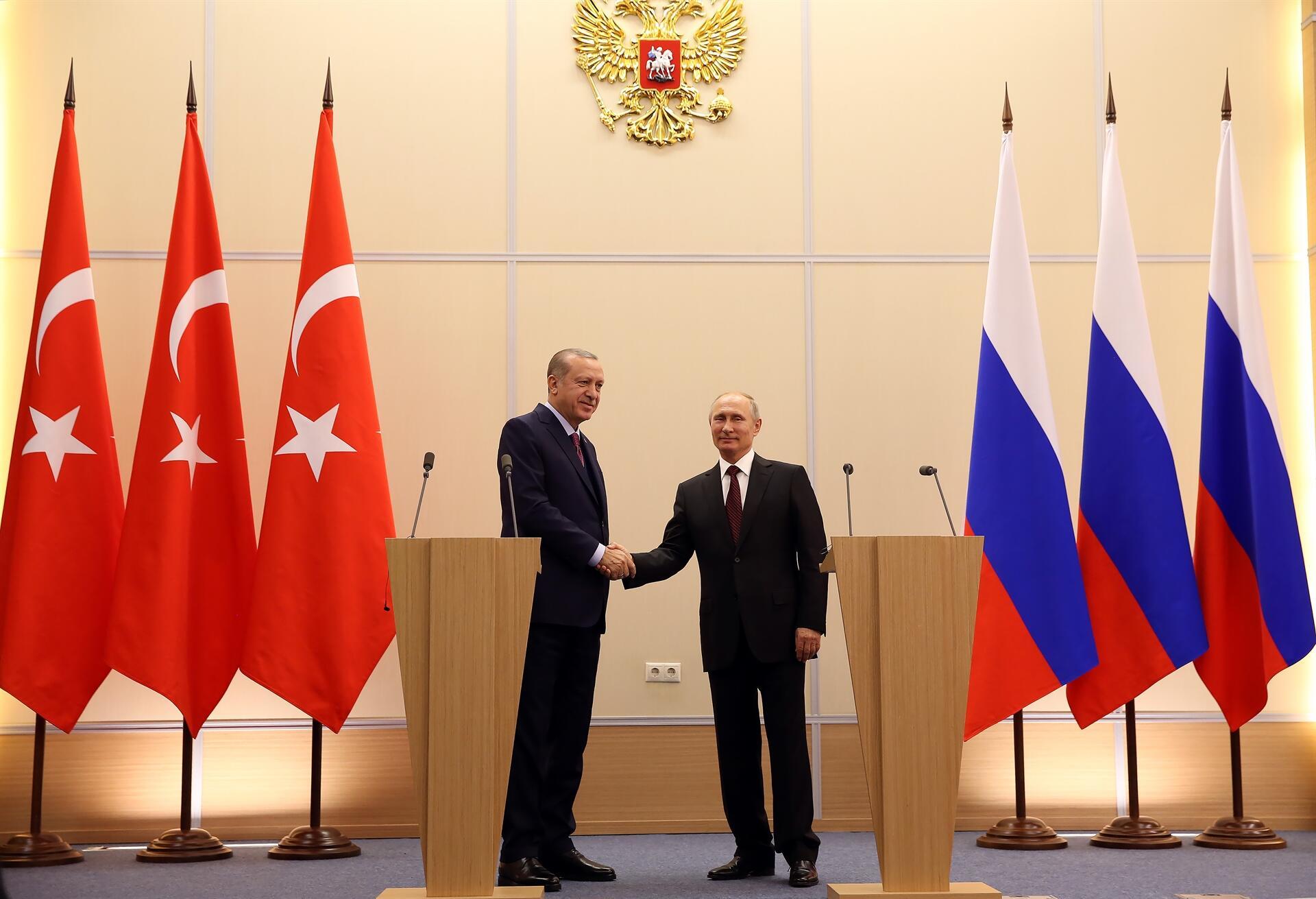
On August 5, Turkish President Recep Tayyip Erdoğan and Russian President Vladimir Putin had a four-hour meeting in Russia to discuss bilateral ties and regional issues. The Sochi summit comes after Ankara scored a diplomatic victory by helping broker a grain deal between Turkey, Ukraine

The Russian-Turkish “Co-opetition” in Eurasia and Beyond (By Yeghia Tashjian)

Introduction  “Co-opetition” was a term coined by Adam M. Brandenburger and Barry Nalebuff to describe a paradoxical strategy of cooperation among competitors, enabling them to collectively achieve mutual gains. It’s a relatively new term in international relations and used occasionally in international trade.

What kind of Artsakh do we want? (By Yeghia Tashjian)

I wanted to write about this a long time ago, even before the war. But the Artsakh War, its devastating outcome on the Armenian nation and its political ideology pushed me to raise some provocative questions and arguments. What kind of Artsakh do

Revolutionizing the Turkish Army under Erdogan (By Yeghia Tashjian)

Back in July, Rich Outzen published a policy paper “Deals, Drones and National Will: The New Era in Turkish Power Projection” in the Washington Institute for Near East Policy highlighting the new strategy of the Turkish Armed Forces, the development of the arms

“Shushi Declaration” and its Implications on the South Caucasus and Beyond (By Yeghia Tashjian)

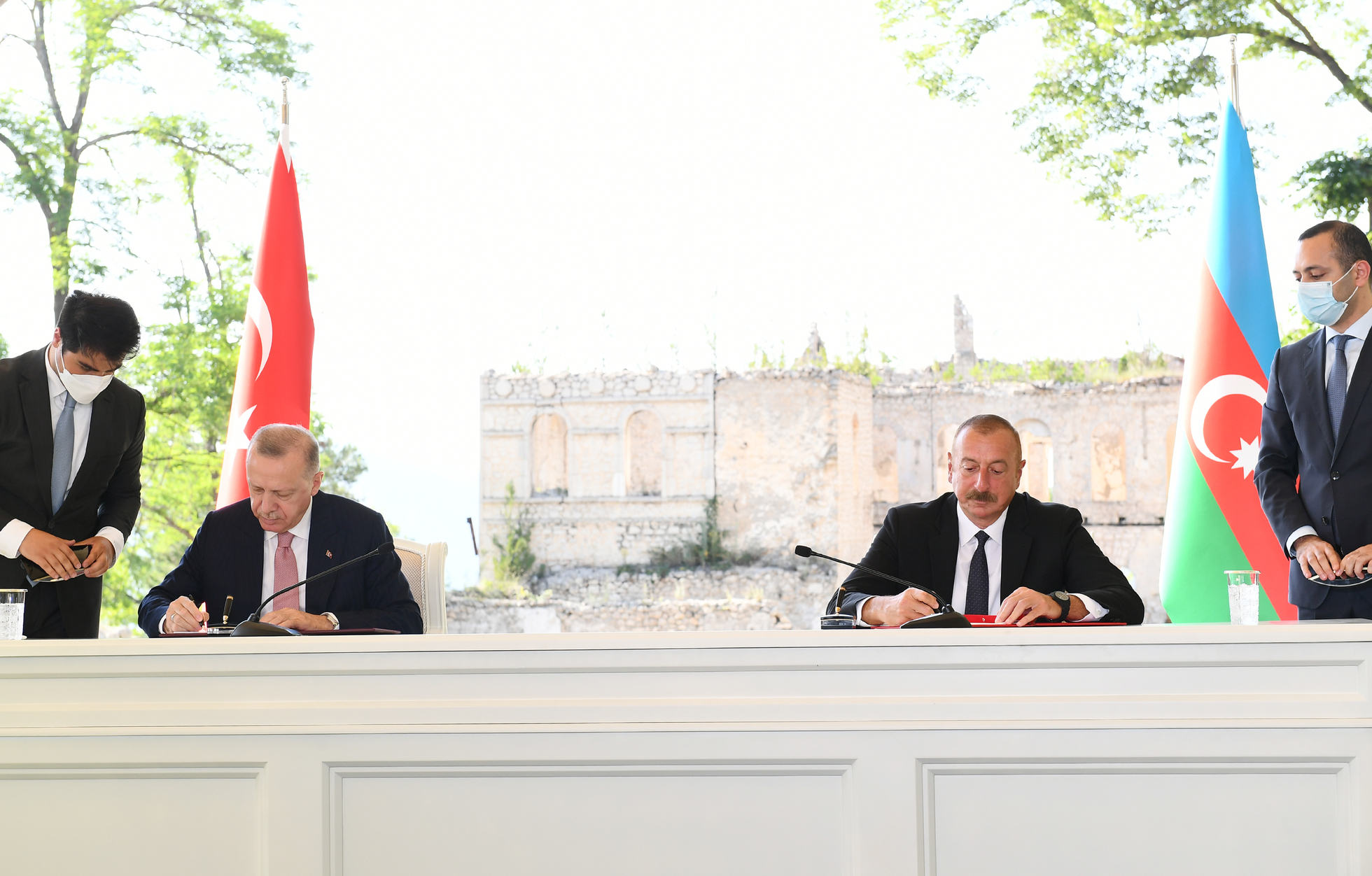
On June 15, 2021, during his visit to occupied Shushi, Turkish President Recep Tayyip Erdogan signed the Shushi Declaration with his Azerbaijani counterpart Ilham Aliyev to cement “allied relations” between the two countries. The declaration consists of many important points including mutual defense guarantees and