Book Review | Clash of Histories in the South Caucasus

Clash of Histories in the South Caucasus: Redrawing the map of Azerbaijan, Armenia and Iran By Rouben Galichian Bennet & Bloom, 2012 232 pp. It is widely acknowledged that history is often manipulated and revised by authoritarian states. History textbooks have been used

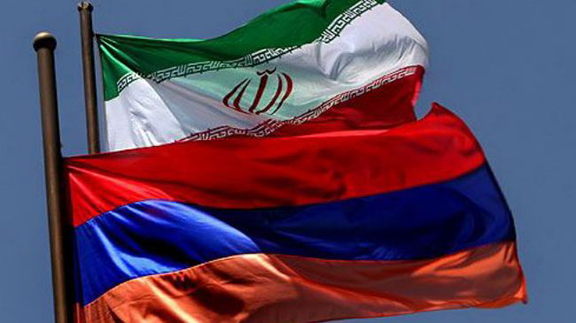
Is Iran making a comeback to the South Caucasus? (By Yeghia Tashjian)

In one of my previous articles “Iran and the Second Artsakh War: Has Tehran lost its leverage over the South Caucasus?” I argued that from a geopolitical and geo-economic point of view, Iran lost its influence in the region after the 2020 war.

Syunik and the Geo-Economic Future of the South Caucasus (By Yeghia Tashjian)

The recent Azerbaijani border line encroachment towards Syunik should not surprise us at all. Azerbaijani President Ilham Aliyev’s threats after the war over Artsakh to forcibly open a “corridor” connecting Azerbaijan to its Nakhichevan exclave via Syunik, the role of Azerbaijani media in mobilizing its people for

Armenia and India’s Vision of “North-South Corridor”: A Strategy or a “Pipe Dream”? (by Yeghia Tashjian)

On March 8, the Indian Ambassador to Iran Gaddam Dharmendra announced that India is planning on connecting the Chabahar port (a seaport in southeast Iran, heavily invested in by India) and the Indian Ocean with Eurasia and Helsinki through the territory of Armenia, creating an International

Joe Biden’s presidency and the possible geopolitical shifts in the Middle East (By Yeghia Tashjian)

President Joe Biden has inherited a state of disorder in the Middle East from Donald Trump. Powers such as Russia and Turkey have filled the vacuum as the US has, to a certain degree, isolated itself from regional issues. Biden is expected to

Iran and the Second Artsakh War: Has Tehran lost its leverage over the South Caucasus? (By Yeghia Tashjian)

Introduction When it comes to the South Caucasus, Iran is historically and geographically a crucial regional actor alongside Russia and Turkey. To assert its influence in the Nagorno-Karabakh/Artsakh conflict, Tehran had offered to mediate between Armenia and Azerbaijan on various occasions, but its

The Division of Trade Spoils over Armenia (By Yeghia Tashjian)

After the armistice of November 10, Russia gained significant strategic advantages in the South Caucasus. Russia did not just score a military victory by consolidating its military presence in the region, but it is also facilitating the construction of railways and trade networks.

How Armenia Underestimated Regional Geopolitics (By Yeghia Tashjian)

The question that Armenian authorities must ask is not if authorities in Yerevan underestimated or miscalculated the geopolitical shifts in the region or not, but how they underestimated, miscalculated and ignored the shifting balance of power in the Middle East and beyond. Geopolitics is

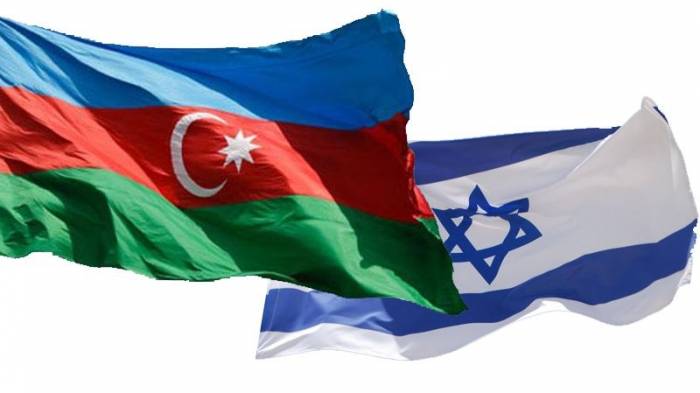
The axis of instability: The Azerbaijani-Israeli alliance (By Mona Issa & Yeghia Tashjian

Israel functions as a US proxy in the Middle East, pushing for US foreign policy and interest against its enemies – today, Iran is the only country in the region challenging the US and opposing its policies. Iran, an oil-rich country stranded by

Iran – South Caucasus. Current stage and perspectives of relations (Benyamin Poghosyan)

Iran is one of the key geopolitical actors of the Middle East. Despite the current “diplomatic isolation and maximum economic pressure” campaign launched by the US President Trump Administration, Iran retains its capabilities of making serious impact on regional geopolitics. It exerts political