After Nagorno-Karabakh, Iran may be next (by Yeghia Tashjian)

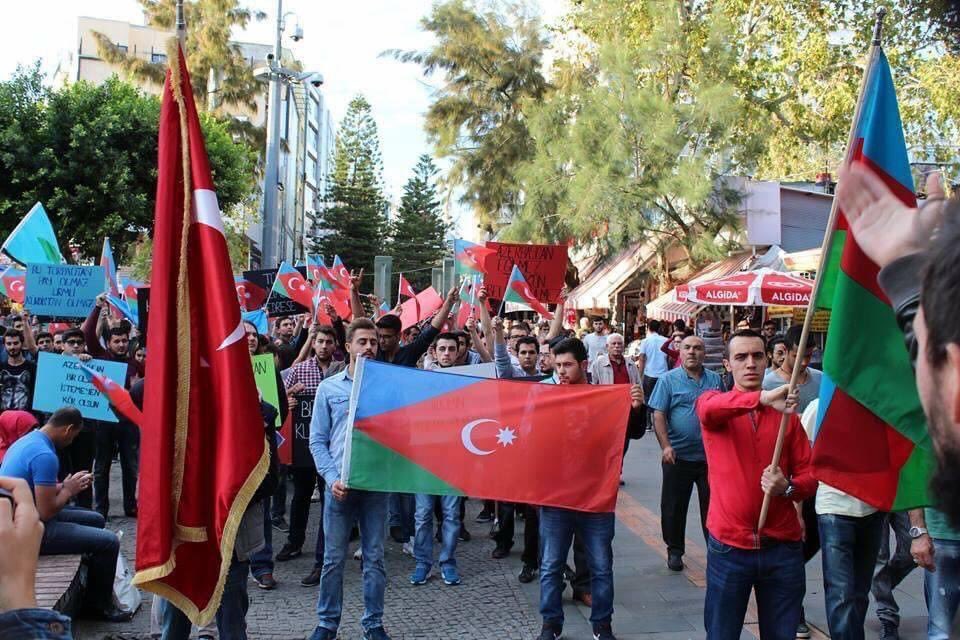
Political relations between Azerbaijan and Iran are deteriorating amid signs of closer security and diplomatic cooperation between Baku and Tel Aviv. Israel’s Foreign Minister Eli Cohen’s comments to reporters in Jerusalem on March 29 about his “agreement” with his Azerbaijani counterpart to form
Russia, INSTC and Regional Trade Interconnectivity (by Yeghia Tashjian)

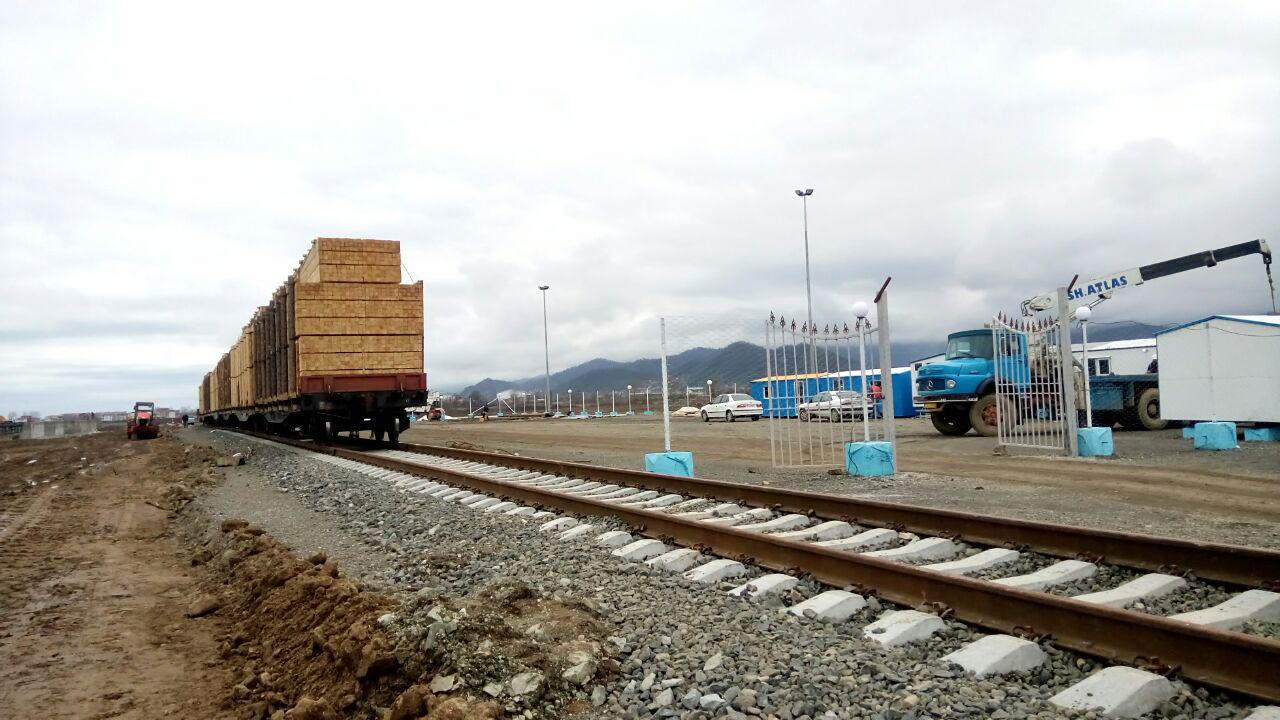
The International North-South Transport Corridor (INSTC), a 7,200 kilometer model of ship network, rail and road project, was initiated in 2000 by Russia, Iran and India to facilitate trade between India, Russia and Europe. Azerbaijan, Armenia and other countries joined the initiative in

How Iran perceives the developments in Artsakh (by Yeghia Tashjian & Zhanna Vardanyan)

As Russia and Western powers seek to compete in the South Caucasus, many analysts neglect the role of Iran in the region. After the 2020 war and the signing of the November 9 trilateral statement, Iran realized that its geo-economic and geopolitical interests

The Husseyniyyun: Iran’s New Gamble in Azerbaijan? (by Yeghia Tashjian)

Background of Religious Persecution in Azerbaijan Despite being a Shia Muslim majority country, the ruling regime of Ilham Aliyev regularly and aggressively enforces secularism on the population of Azerbaijan. Azerbaijanis are forbidden to study in foreign Shia seminaries (hawza). Women are discouraged and

How do Iranian scholars perceive developments in the South Caucasus? (by Yeghia Tashjian)

A survey was recently conducted by the Tehran International Studies and Research Institute (TISRI) to study international security priorities and Iran’s foreign policy. The survey was conducted among 384 academic scholars in different Iranian universities (Tehran, Allameh Tabataba’i, Tabriz, Guilan, Shiraz and Razi of Kermanshah)

Why is Baku waging a “war of words” against Tehran? (by Yeghia Tashjian)

During a meeting with Russian President Vladimir Putin and Turkish President Recep Tayyip Erdogan in Tehran on July 19, the Iranian Supreme Leader Ali Khamenei warned against blocking the Armenian-Iranian border, stating, “If there is an effort to block the border between Iran and

Iran plays its cards in the South Caucasus (by Yeghia Tashjian)

In recent months, Iran has engaged in active foreign policy in the South Caucasus to push its geo-economic interests forward. Meanwhile, Western-led economic sanctions have pushed Russia to realize the significance of the North-South trade route. Iran defused and refreshed its relations with

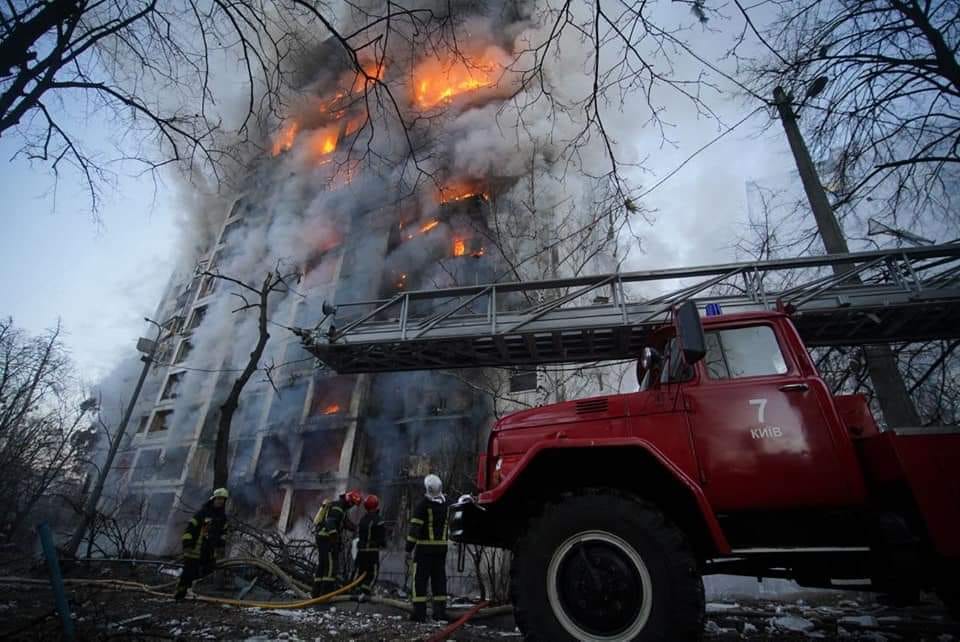
The Impact of the Crisis in Ukraine on the Regional Order in the Middle East (by Yeghia Tashjian)

Background of the Current Russian-Ukrainian Conflict On February 21, 2022, Russian President Vladimir Putin officially recognized the Donetsk People’s Republic and the Luhansk People’s Republic, two self-proclaimed states controlled by pro-Russian groups in Donbas, Eastern Ukraine. The next day, Russia’s Federation Council unanimously

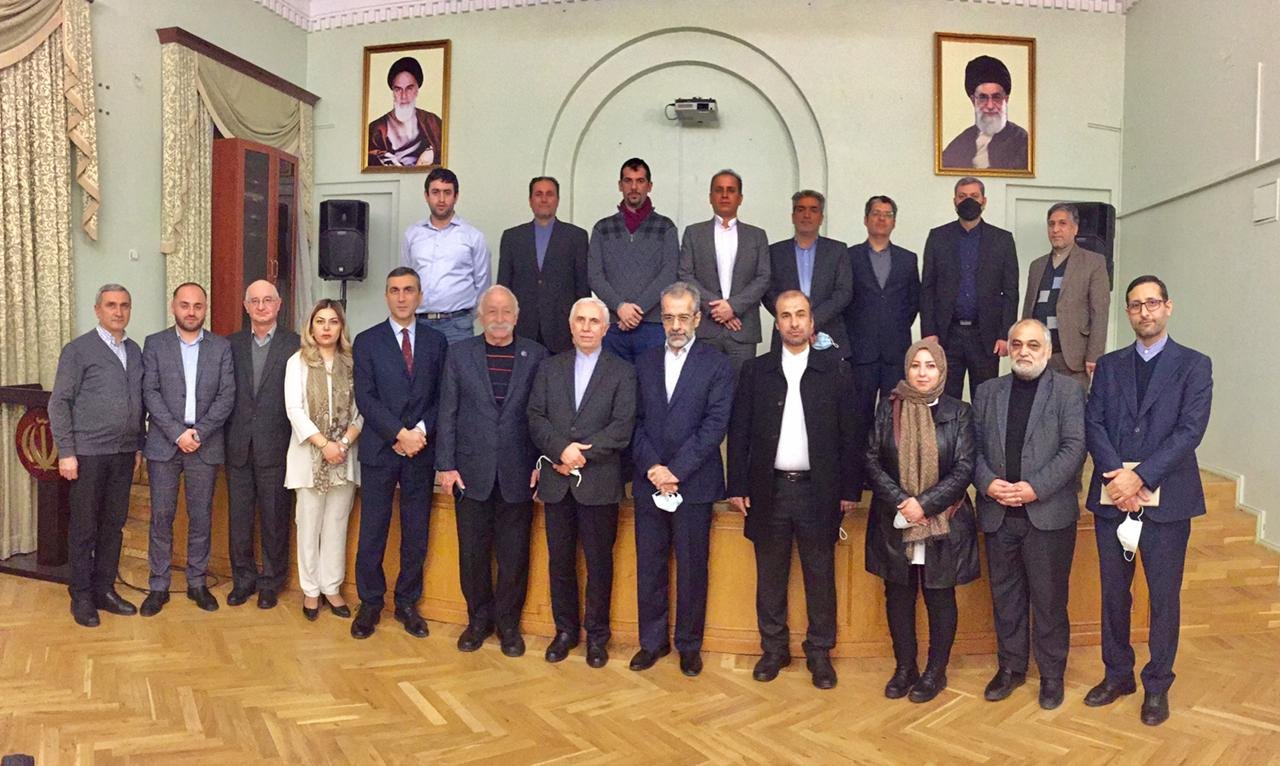
Reflection on the “Armenia-Iran: Historical Past and Present” International Conference (by Yeghia Tashjian)

The Iranian Studies Department of the Oriental Studies of the Armenian National Academy of Sciences, together with the Iranian Cultural Center of the Embassy of Islamic Republic of Iran at Yerevan and Yerevan State University, organized a two-day international conference from February 9-10,

The Regional Implications of the Iranian President’s Visit to Moscow (by Yeghia Tashjian)

On January 19, 2022, Iranian President Dr. Ibrahim Raisi traveled to Moscow and met his Russian counterpart Vladimir Putin in an effort to improve bilateral ties between both countries. The leaders discussed regional and international issues, among them the negotiations around Iran’s nuclear