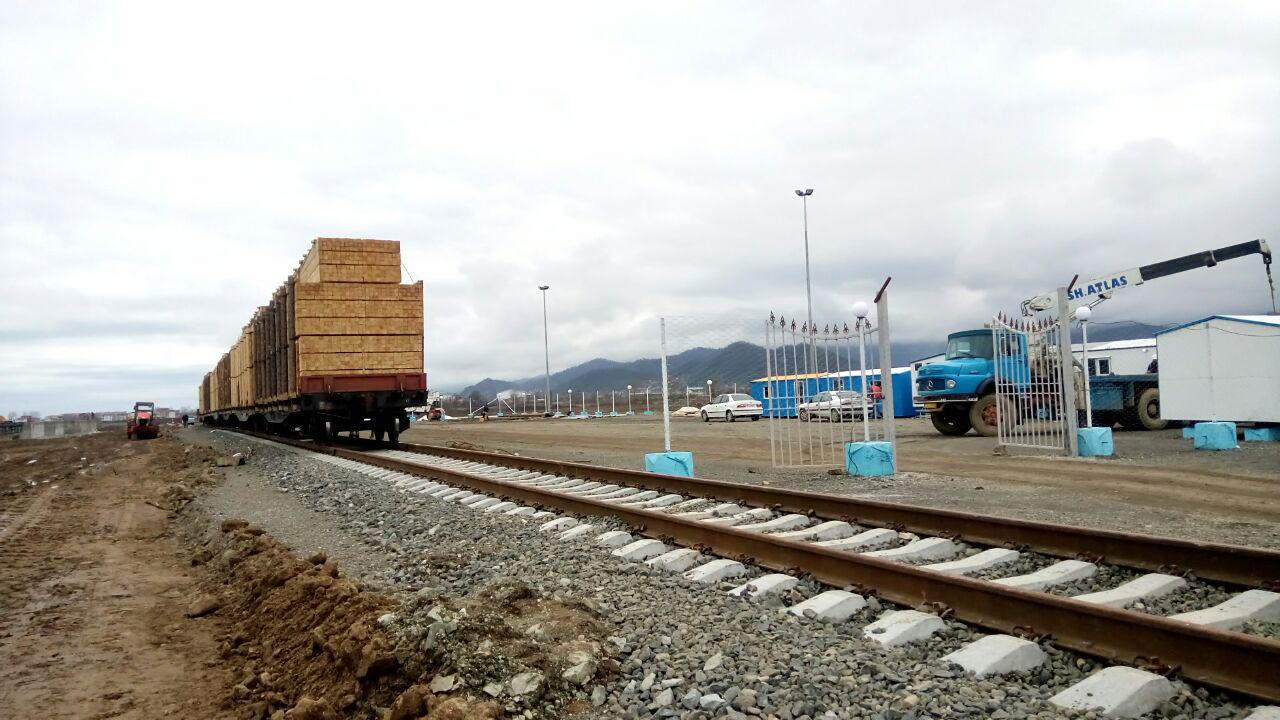
Russia, INSTC and Regional Trade Interconnectivity (by Yeghia Tashjian)

The International North-South Transport Corridor (INSTC), a 7,200 kilometer model of ship network, rail and road project, was initiated in 2000 by Russia, Iran and India to facilitate trade between India, Russia and Europe. Azerbaijan, Armenia and other countries joined the initiative in
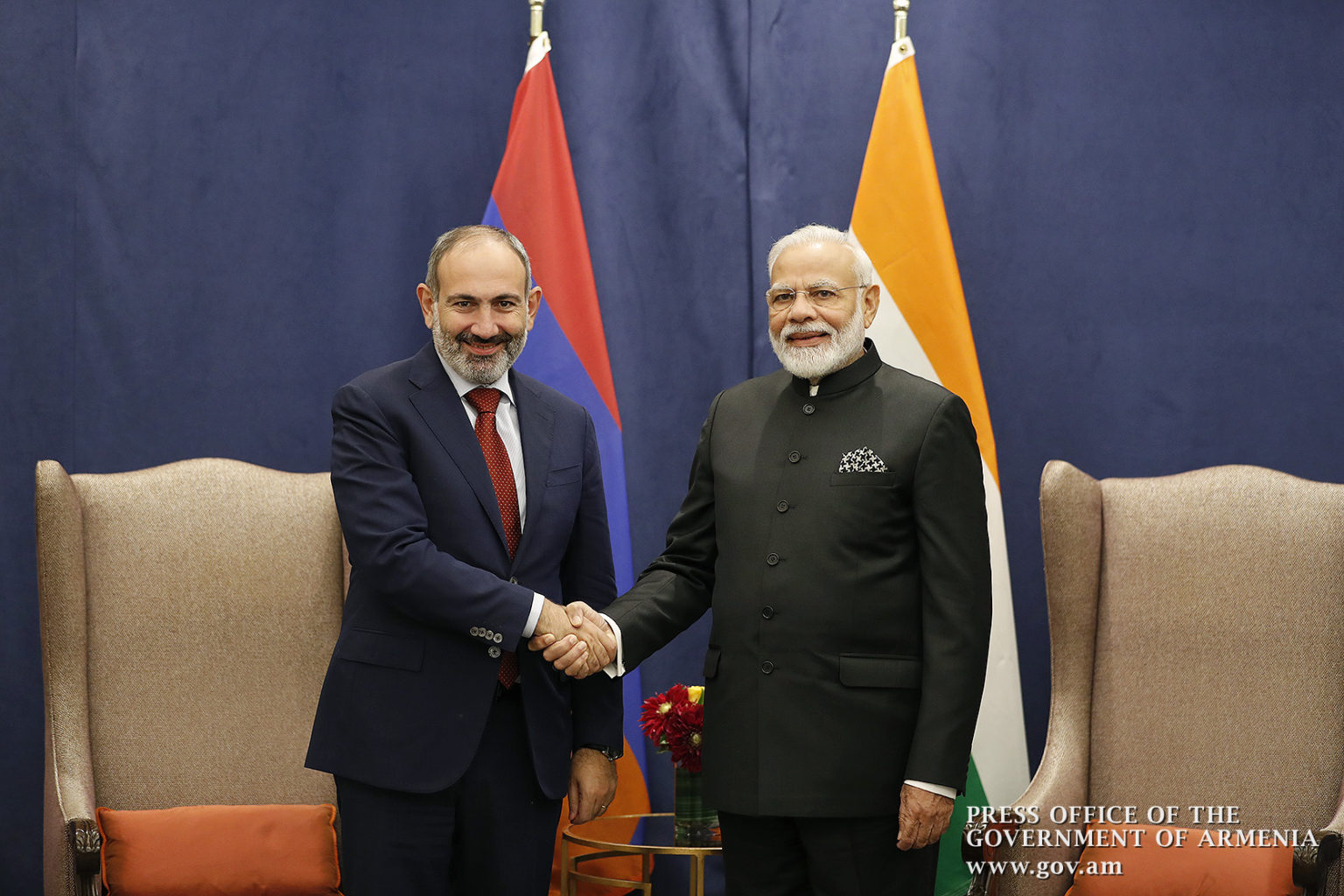
Armenia–India Relations: From Politics to Arms Trade (by Yeghia Tashjian)

Prime Minister Nikol Pashinyan meets with India’s Prime Minister Narendra Modi on the margins of his working visit to New York, September 26, 2019 During my academic visit to New Delhi in February 2020, I met with Indian politicians and scholars and discussed

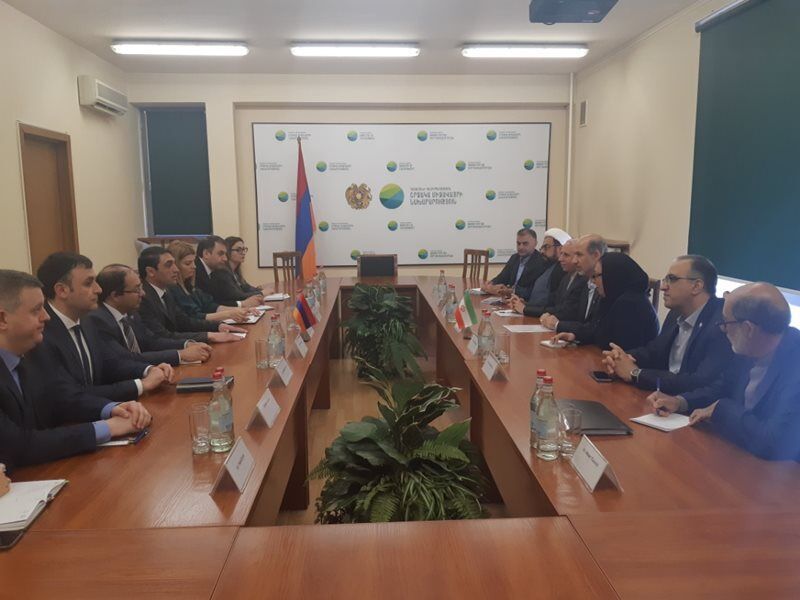
Iran plays its cards in the South Caucasus (by Yeghia Tashjian)

In recent months, Iran has engaged in active foreign policy in the South Caucasus to push its geo-economic interests forward. Meanwhile, Western-led economic sanctions have pushed Russia to realize the significance of the North-South trade route. Iran defused and refreshed its relations with

Syunik and the Geo-Economic Future of the South Caucasus (By Yeghia Tashjian)

The recent Azerbaijani border line encroachment towards Syunik should not surprise us at all. Azerbaijani President Ilham Aliyev’s threats after the war over Artsakh to forcibly open a “corridor” connecting Azerbaijan to its Nakhichevan exclave via Syunik, the role of Azerbaijani media in mobilizing its people for

Armenia and India’s Vision of “North-South Corridor”: A Strategy or a “Pipe Dream”? (by Yeghia Tashjian)

On March 8, the Indian Ambassador to Iran Gaddam Dharmendra announced that India is planning on connecting the Chabahar port (a seaport in southeast Iran, heavily invested in by India) and the Indian Ocean with Eurasia and Helsinki through the territory of Armenia, creating an International