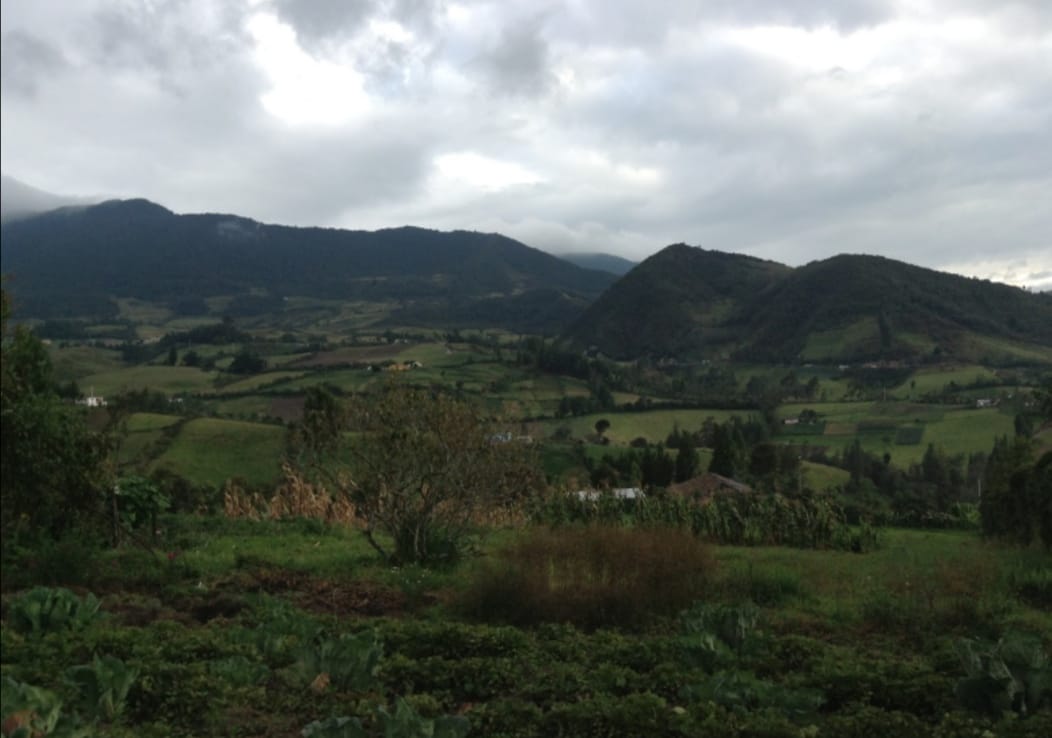
How to design participatory Earth System Governance (ESG) methodologies in ethnic contexts with a decolonial approach encouraging the dialogue between scientific and traditional knowledge? (By Ana Prada)

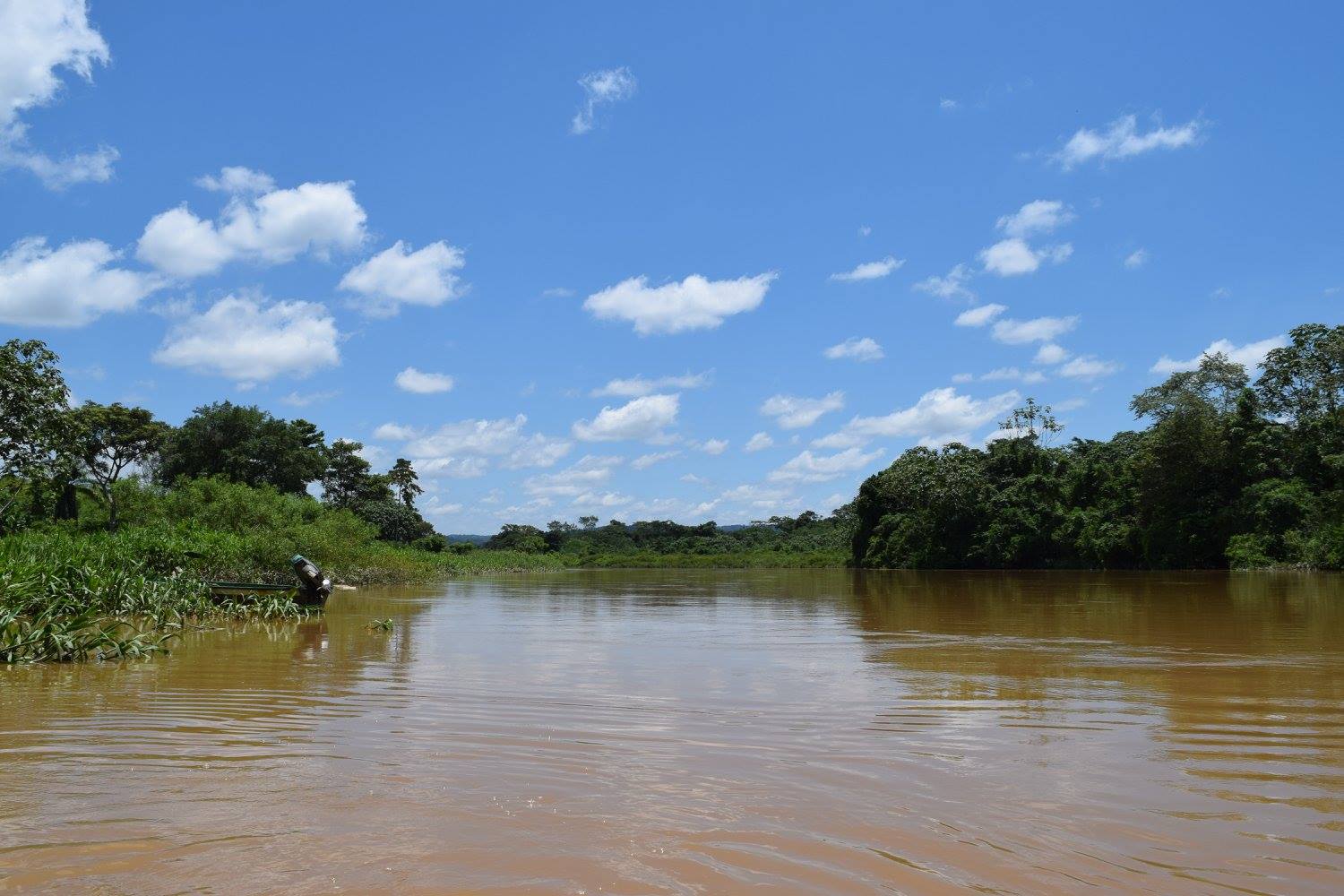
Introduction In 2018, I was working with Caritas Colombiana monitoring the implementation of the Peace Agreement in the Amazon region with the Kroc Institute, we “experts” arrived in “the field” with a predesigned methodology to ask “campesinos”[1] and indigenous people their perception of
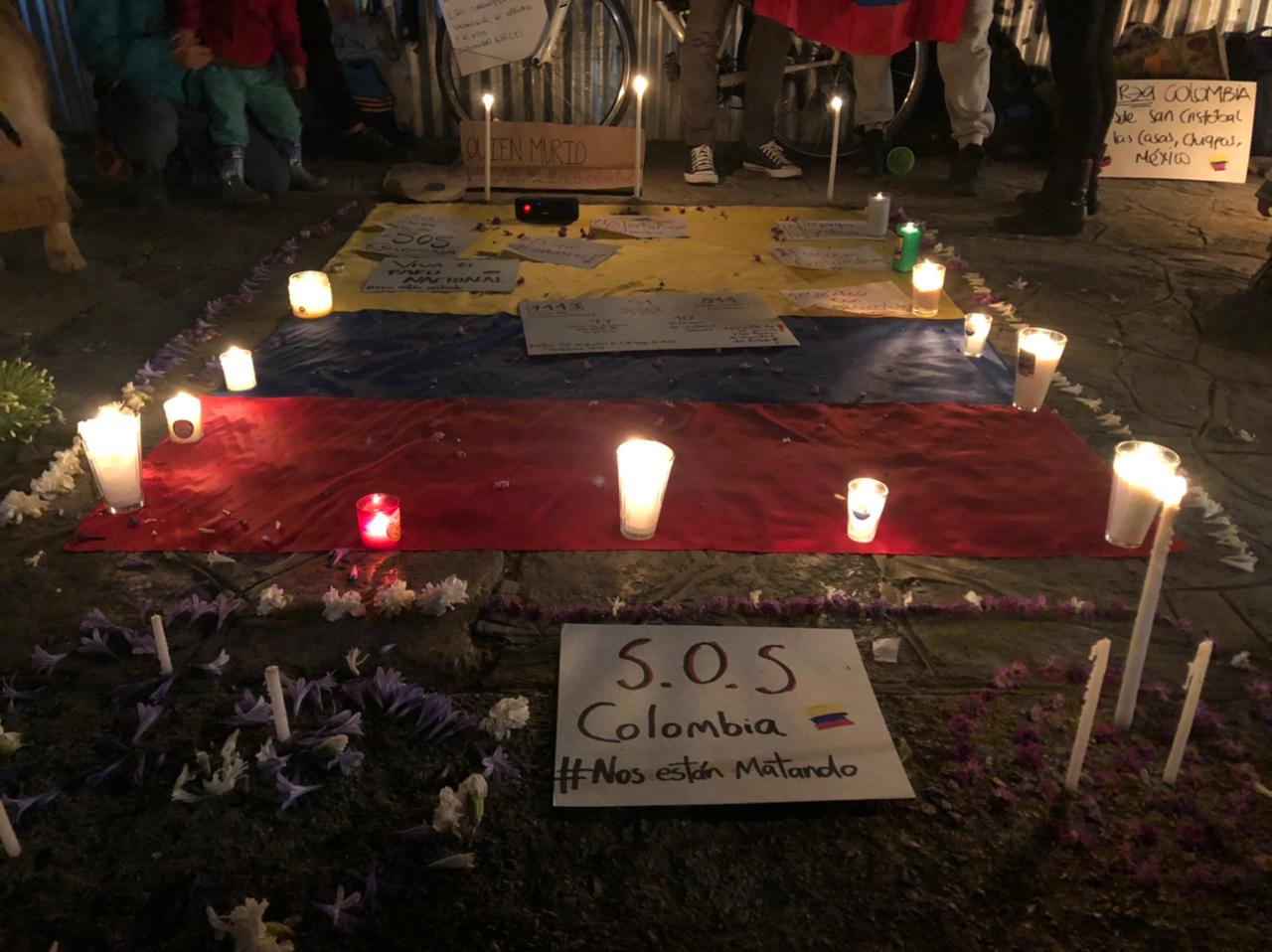
Something is Happening in Colombia (By Ana Prada)

During this week I received calls and messages from friends from all over the world concerned about my safety, with enough gratitude I tell them that for me things have been calmer, despite the sleepless nights, the permanent anxiety, and anguish to hear

Equitable innovations and legitimate political models (By Ana Prada)

Societies in which there is less social distance between their rulers and their ruled are less likely to collapse, according to Jared Diamond. Likewise, societies that are more open to developing inclusive innovations tend to be more capable of reaching consensus, while societies

Alternatives to protect the lives of young people (By Ana Prada)

On September 5, the Institute of Studies for Development and Peace launched a Report on Massacres in Colombia during 2020, in which it is revealed that Antioquia, Cauca, Nariño, Norte de Santander and Putumayo are the departments that kill the most leaders social

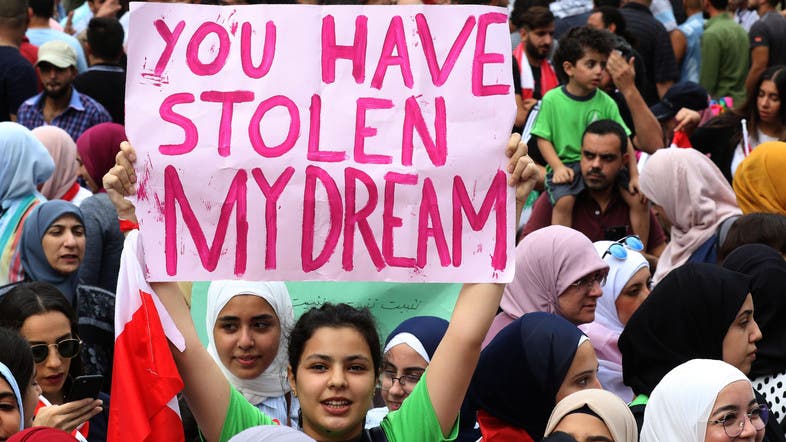
From Colombia to Lebanon: The Street Revolts (By Ana Prada & Yeghia Tashjian)

The year 2019 was full of global protest movements ranging on topics such as climate change, the establishment of participatory governance models, to anti-corruption rallies from the Middle East to Latin America. We will be highlighting the protest movement in Lebanon and Colombia

Peacebuilding Through Support for “Campesino”, Family and Community Agriculture, the Colombian Experience (By Ana Prada)

The “campesino” identity does not have an exact translation from Spanish. The “campesinos” establish different forms of land tenure, which vary according to the region of the country, related by the family, community and associative ties. In Colombia, 31% of the population is