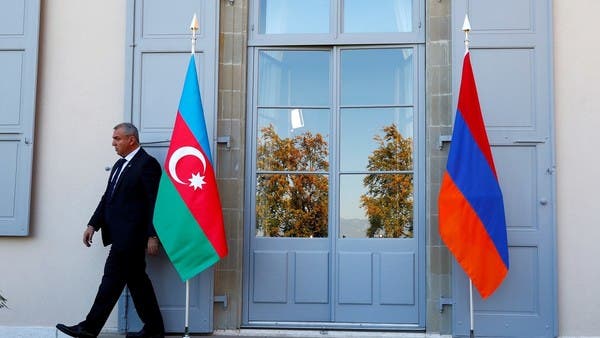
Iran and the Second Artsakh War: Has Tehran lost its leverage over the South Caucasus? (By Yeghia Tashjian)

Introduction When it comes to the South Caucasus, Iran is historically and geographically a crucial regional actor alongside Russia and Turkey. To assert its influence in the Nagorno-Karabakh/Artsakh conflict, Tehran had offered to mediate between Armenia and Azerbaijan on various occasions, but its
The Division of Trade Spoils over Armenia (By Yeghia Tashjian)

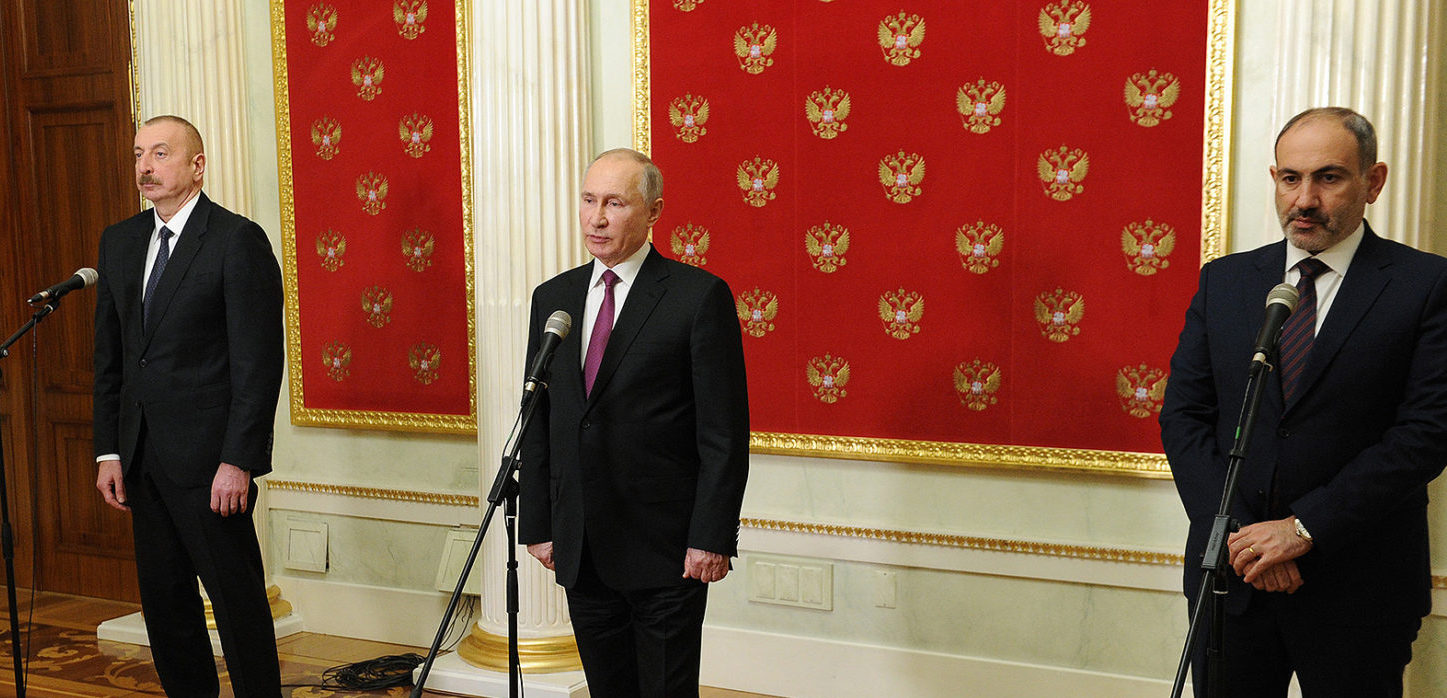
After the armistice of November 10, Russia gained significant strategic advantages in the South Caucasus. Russia did not just score a military victory by consolidating its military presence in the region, but it is also facilitating the construction of railways and trade networks.

Russia and the Future Status of Shushi (By Yeghia Tashjian

On November 10, 2020, Armenian Prime Minister Nikol Pashinyan announced on Facebook that Yerevan had agreed to a Russian-brokered armistice and thus cessation of hostilities with Azerbaijan. “I made that decision as a result of an in-depth analysis of the military situation and the assessment

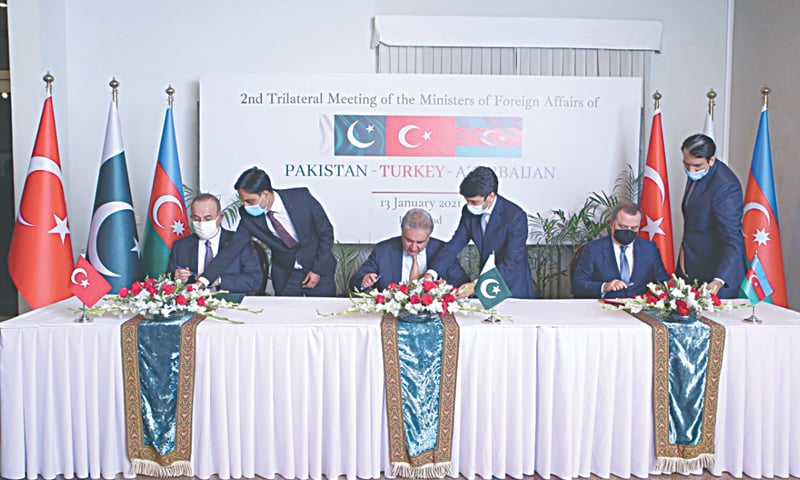
Azerbaijan-Turkey-Pakistan: A New Axis of Evil Against Armenia & India (By Yeghia Tashjian)

The roots of the conflict in Artsakh Artsakh historically has always been part of Armenia, and when the region was annexed to Persian and Arab rule, Artsakh (later known as Nagorno-Karabakh), was governed by Armenian nobility. Following the collapse of the Russian Empire

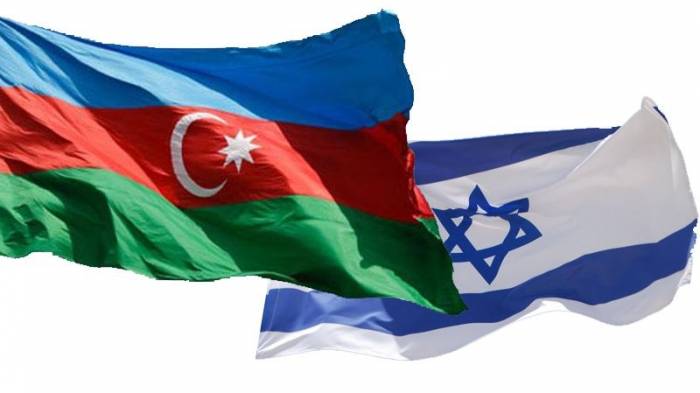
The axis of instability: The Azerbaijani-Israeli alliance (By Mona Issa & Yeghia Tashjian

Israel functions as a US proxy in the Middle East, pushing for US foreign policy and interest against its enemies – today, Iran is the only country in the region challenging the US and opposing its policies. Iran, an oil-rich country stranded by

The Geopolitical and Energy Security Dimensions of the Latest Armenian-Azerbaijani Clashes (Yeghia Tashjian)

There are currently three major zones of possible escalations between Russia and Turkey: the Levantine zone in Syria, the Mediterranean zone in Libya, and the Caucasian zone between Armenia and Azerbaijan. All of these zones are interconnected with each other. The latest Azerbaijani

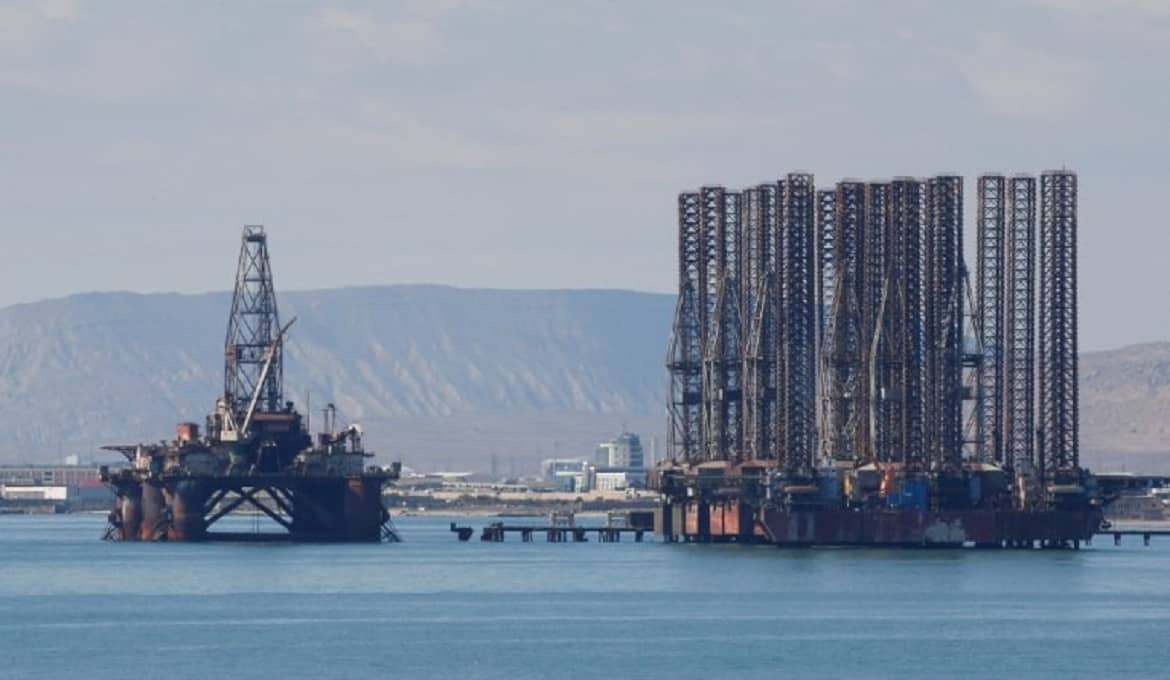
Irreplaceable losses in Azerbaijan’s economy from oil crisis and coronavirus (By Anton Evstratov)

The collapse in oil prices combined with the necessary quarantine measures related to the coronavirus pandemic has caused damage to the Azerbaijani economy, which will be extremely difficult to overcome even in favorable macroeconomic scenarios. Between the beginning of January and the end

Iran – South Caucasus. Current stage and perspectives of relations (Benyamin Poghosyan)

Iran is one of the key geopolitical actors of the Middle East. Despite the current “diplomatic isolation and maximum economic pressure” campaign launched by the US President Trump Administration, Iran retains its capabilities of making serious impact on regional geopolitics. It exerts political

The Dangers of the “Ruleless” World (By Benyamin Poghosyan)

The United States President Donald J. Trump’s decision to recognize Israel sovereignty over the Golan Heights brought upon criticism and admiration from both anti- and pro-Israeli groups worldwide. However, most parts of the discussion were focused on the damage or gains of that step for

Internal Discord in CSTO May Be Pushing Armenia to Leave Russia-Led Alliance (By Eduard Abrahamyan)

The issue of naming a new secretary general of the Russia-led Collective Security Treaty Organization (CSTO) has become another bone of contention between supposed allies Armenia, Belarus and Kazakhstan. The alliance’s heretofore formal head, General Yuri Khachaturov, a former chief of the General