After Nagorno-Karabakh, Iran may be next (by Yeghia Tashjian)

Political relations between Azerbaijan and Iran are deteriorating amid signs of closer security and diplomatic cooperation between Baku and Tel Aviv. Israel’s Foreign Minister Eli Cohen’s comments to reporters in Jerusalem on March 29 about his “agreement” with his Azerbaijani counterpart to form
Russia, INSTC and Regional Trade Interconnectivity (by Yeghia Tashjian)

The International North-South Transport Corridor (INSTC), a 7,200 kilometer model of ship network, rail and road project, was initiated in 2000 by Russia, Iran and India to facilitate trade between India, Russia and Europe. Azerbaijan, Armenia and other countries joined the initiative in

How Iran perceives the developments in Artsakh (by Yeghia Tashjian & Zhanna Vardanyan)

As Russia and Western powers seek to compete in the South Caucasus, many analysts neglect the role of Iran in the region. After the 2020 war and the signing of the November 9 trilateral statement, Iran realized that its geo-economic and geopolitical interests

The Husseyniyyun: Iran’s New Gamble in Azerbaijan? (by Yeghia Tashjian)

Background of Religious Persecution in Azerbaijan Despite being a Shia Muslim majority country, the ruling regime of Ilham Aliyev regularly and aggressively enforces secularism on the population of Azerbaijan. Azerbaijanis are forbidden to study in foreign Shia seminaries (hawza). Women are discouraged and

Beyond the Blocking of the Lachin Corridor (by Yeghia Tashjian)

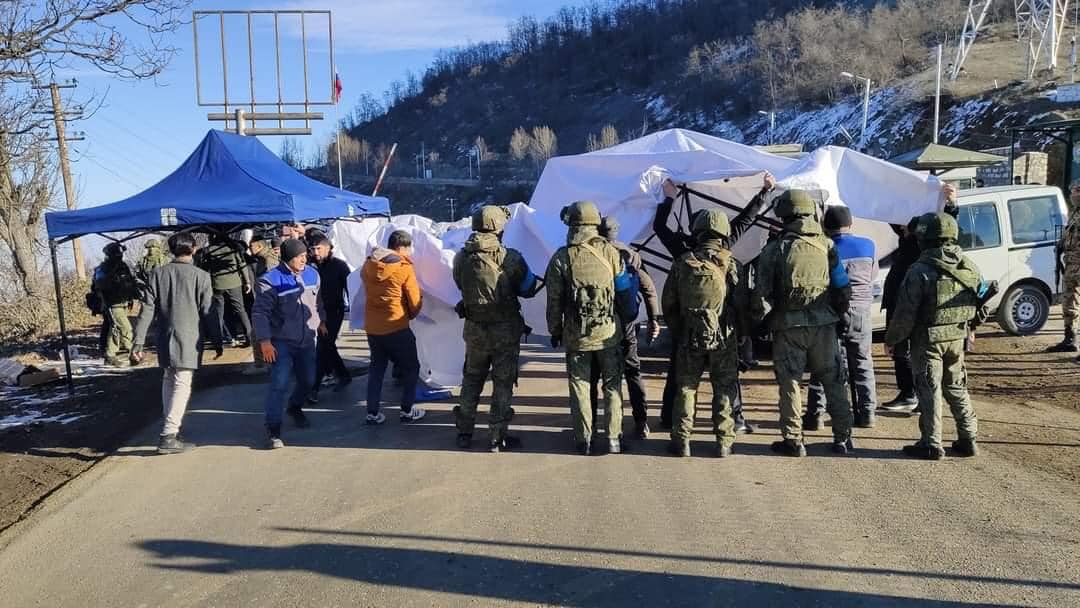
A group of Azerbaijanis in civilian clothes shut down the Stepanakert-Goris highway on the morning of December 12 (Photo: NKR InfoCenter) On December 12, under the pretext of environmentalism, dozens of Azerbaijani state-backed “eco-activists” blocked the only land corridor in the Stepanakert-Shushi section

The Sochi Trilateral Statement: Who has gained what? (by Yeghia Tashjian)

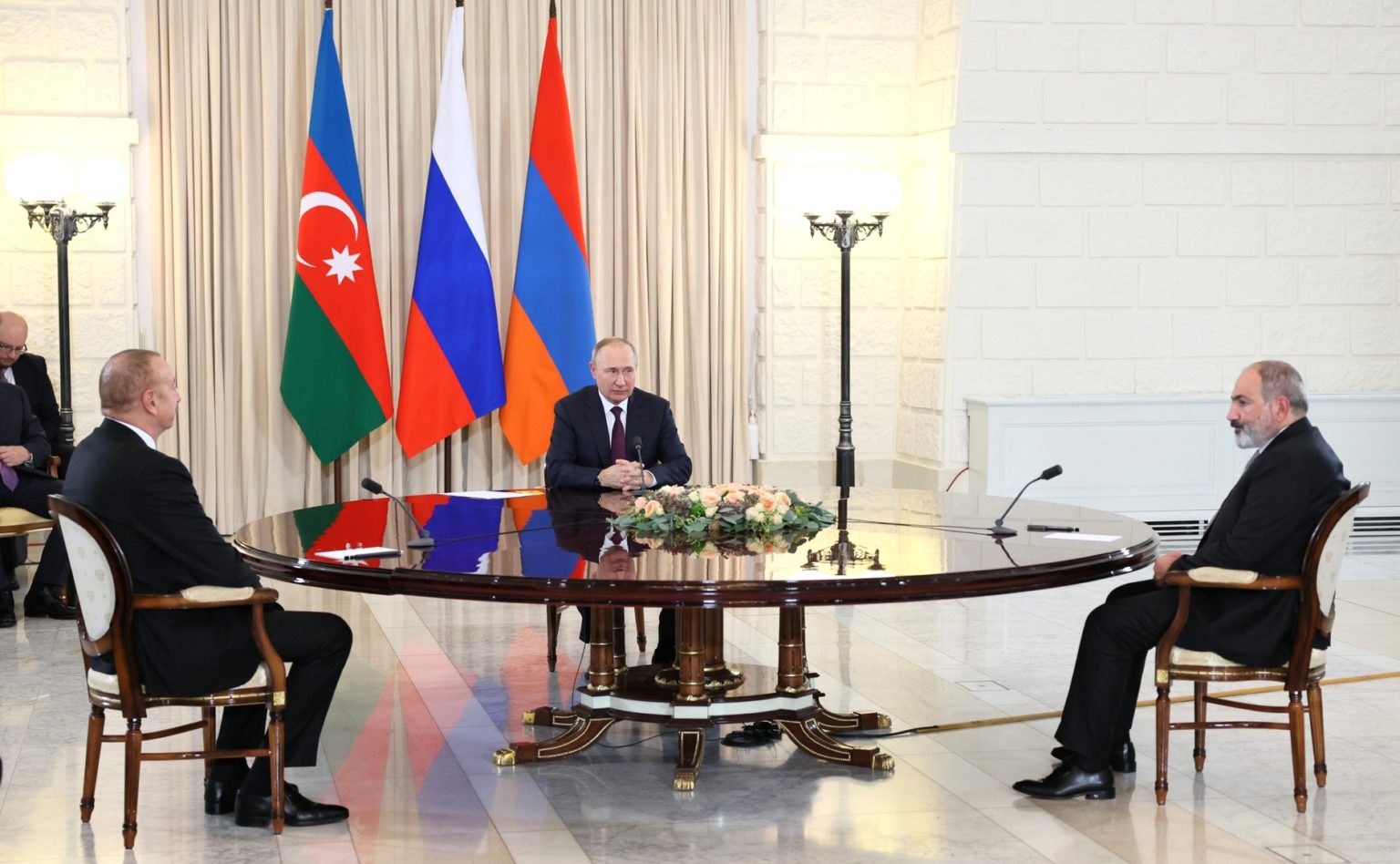
Azerbaijani President Ilham Aliyev, Russian President Vladimir Putin and Armenian PM Nikol Pashinyan meet in Sochi (Kremlin, October 31) On October 25, 2022, Russia’s Foreign Ministry accused the West of pressuring Armenia to cut its traditionally close ties with Moscow in an effort to squeeze

A Third Force is Trying to Undermine the Situation in the South Caucasus (Anton Evstratov)

On September 13, a new aggravation manifested itself between Azerbaijan and Armenia. The parties, traditionally accusing each other of provocations, reduced the situation to the use of weapons in the border areas. Official Baku accused the Armenian military of shelling the positions of

Why is Baku waging a “war of words” against Tehran? (by Yeghia Tashjian)

During a meeting with Russian President Vladimir Putin and Turkish President Recep Tayyip Erdogan in Tehran on July 19, the Iranian Supreme Leader Ali Khamenei warned against blocking the Armenian-Iranian border, stating, “If there is an effort to block the border between Iran and

Azerbaijan’s arms sale to Ukraine and the recent escalation in Nagorno-Karabakh (by Yeghia Tashjian)

Following the outbreak of the war in Ukraine, Azerbaijan officially took a “neutral” stance and continued its “balanced act” between Russia and the West. Intending to increase its leverage over regional actors, Baku signed an “allied cooperation” agreement with Russia and later energy deals

The South Caucasus and the “Great Game” of Energy Security (by Yeghia Tashjian)

The Beginning of the Modern “Great Game” in the South Caucasus The “Great Game” was a political and diplomatic confrontation that existed for most of the 19th century and the beginning of the 20th century between the British Empire and the Russian Empire