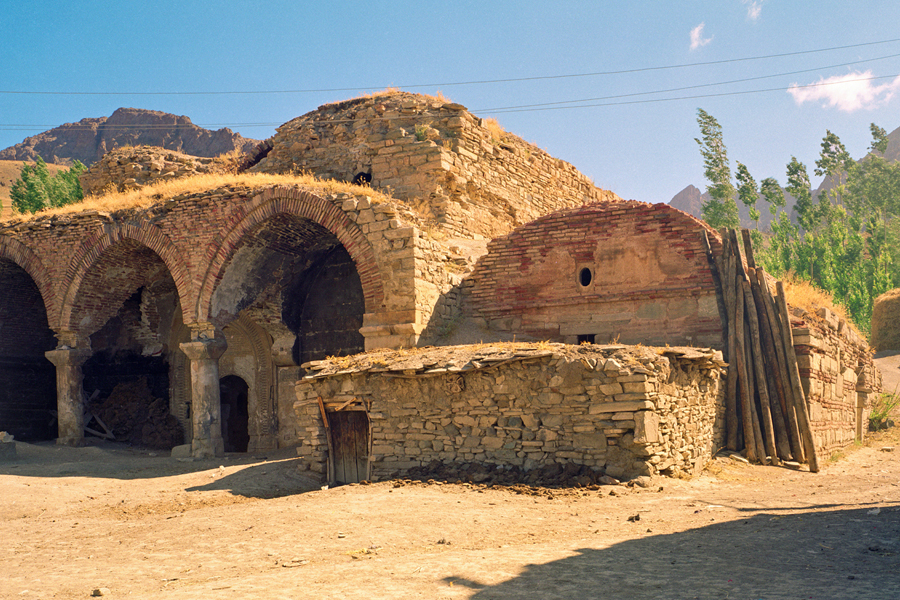
Armenian Involvement in the 1925-1946 Kurdish Rebellions in Republican Turkey: Trying to Map the Origins of “Hidden Armenians (By Garabet Krikor Moumdjian)

(Note: The research below is a first draft of a paper that is being edited for academic publication) Abstract: The history of Armenian-Kurdish relations extends over centuries. In the 1800’s, Armenians were involved in the Kurdish rebellions in Kurdistan proper. The rebellions were


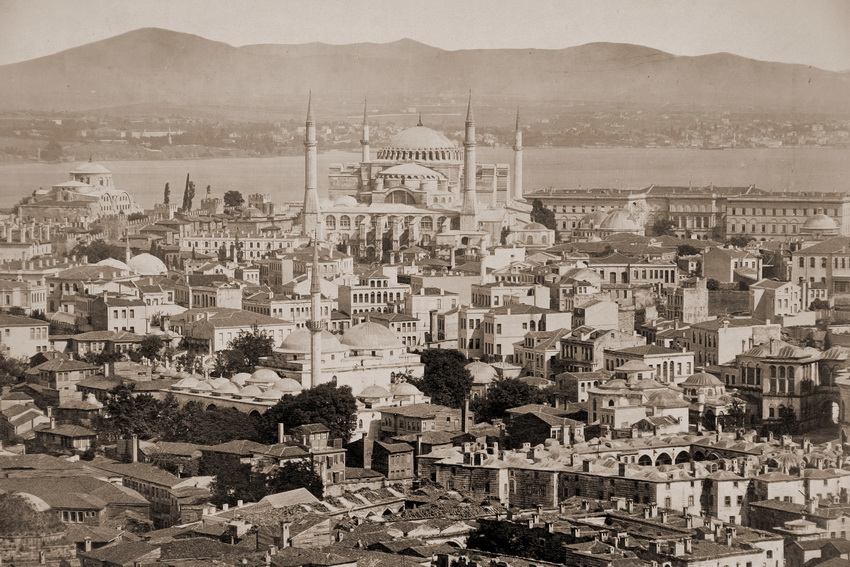
Dawud Pasha and Ottoman Mount Lebanon (By Bedros Torossian)

Introduction: To begin with, the establishment of the Mutasarrifiyya in Ottoman Mount Lebanon during the year 1861 was of great significance. It was introduced in the light of large number of reforms that were taking place within the Ottoman territories during the nineteenth

Conference : Asia Minor • United in Rights

28-29 January, Berlin Conference of the representatives of the peoples of ASIA MINOR on the occasion of the tenth anniversary of Hrant Dink’s assassination. A number of organizations has joined us in ths initiative as AGADEKA, Ankara Initiative for Freedom of Thought, Enstituye

Foundations of non-Muslim Communities: The Last Object of Confiscation (By Sait Çetinoğlu)

Non-Muslim Foundations in Turkey have been facing a huge amount of problems. These problems are a systematic part of the disturbance, suppression, and expulsion of non-Muslims.With the ruling of the general legal committee of the Supreme Court of Appeals in 1974, non-Muslim citizens

The Rise and Decline of the Ottoman Armenian Amira Class (By Bedros Torossian)

Introduction The Armenians were one of the millets of the Ottoman Empire. Identifying their exact number is difficult, but according to records from the Armenian Patriarchate of Constantinople, there were approximately 3,000,000 Armenians living within the Empire in 1872.[1]By the end of the

Rojava or Northern Syria? (By Cihad Hammy)

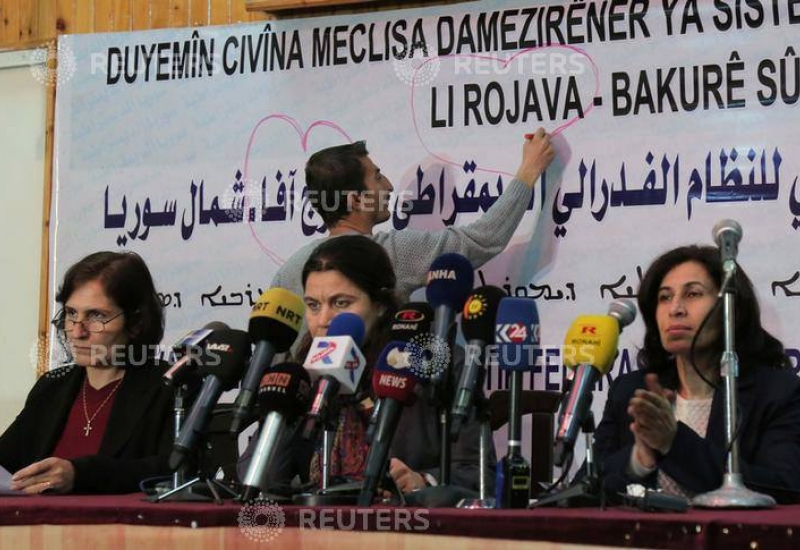
On 27 December in the town of Rmeilan (Rimelan), the Northern Syria Constituent Assembly voted to remove “Rojava,” meaning ‘Western (Kurdistan), from the federal system; initially named the “Democratic Federal System of Northern Syria-Rojava and now called the “Democratic Federal System of Northern

The fall of Eastern Aleppo (By Polat Can)

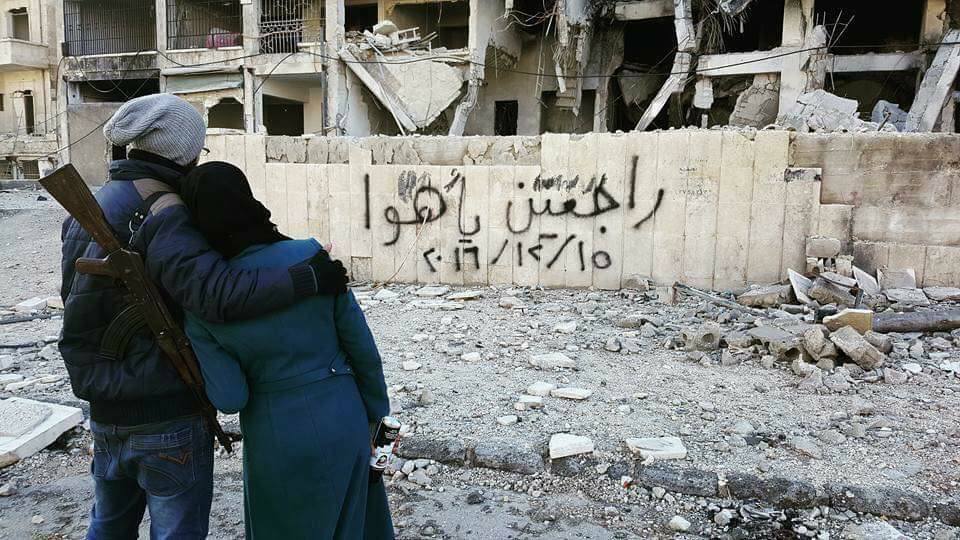
Eastern Aleppo has fallen today, but looking at the root causes that paved the way to that fall you will realize it was inevitable not because the Baath forces and their allies are stronger or the Islamist factions are weaker but because the

Glimpses of Ararat from the Other Side: A Turk in Armenia (By Ertugrul Yilmaz)

It began four years ago. After another April 24th, I decided to find an Armenian friend online to understand how the other side perceives the Armenian Genocide. It was just after I watched the Armenian Genocide commemoration in Yerevan. I talked about the “Armenian

Dersim Alevism, a cross-bred identity (By Erwan Kerivel)

Armenian ethnologist Hranoush Kharatyan represents an interesting study on sense of identity of Alevi communities in Dersim during Ottoman and Republic Era in his articles about the search for identity in Dersim called “Identities of Dersim” and “The Alevized Armenians in Dersim“.  But

The Armenian Genocide: Solidarity vs. Denial (Yeghia Tashjian)

While Lebanese-Armenians continue to commemorate the anniversary of the Armenian Genocide, the Lebanese are still debating the tragic event on social media. The Racism and sectarianism that is flourishing on daily basis in the region is also reflected in Lebanon. While some look at