Armenians of Pyatigorsk (by Yeghia Tashjian)

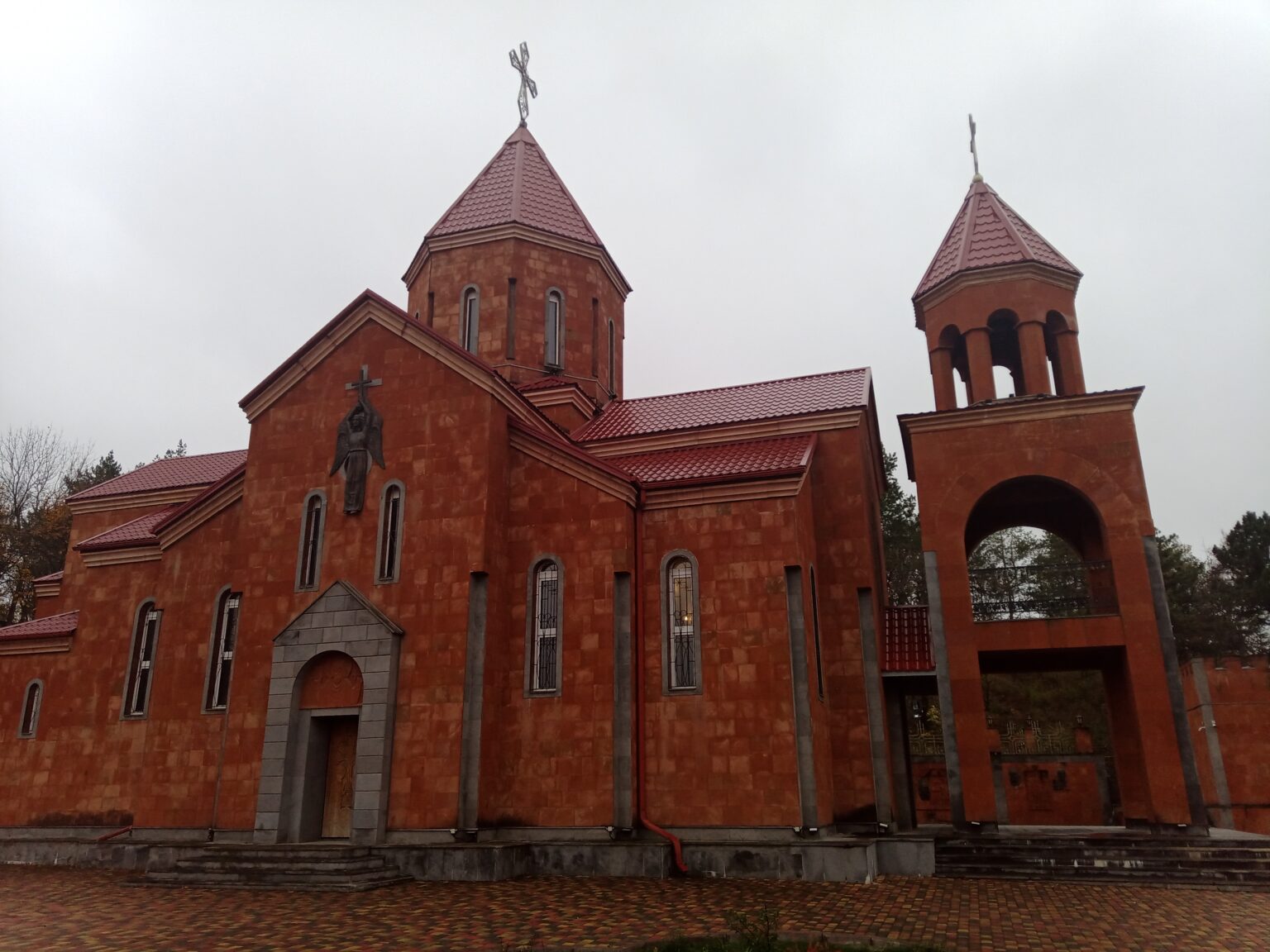
Weekly columnist Yeghia Tashjian outside St. Sarkis Church in Pyatigorsk, Russia, November 10, 2022 Between November 7-12, 2022, I was invited by the Primakov Center to participate in the “Russia – Middle East” International Expert Forum at the Southern Russian city of Pyatigorsk.

Can Armenians agree on a unified strategy? (by Yeghia Tashjian)

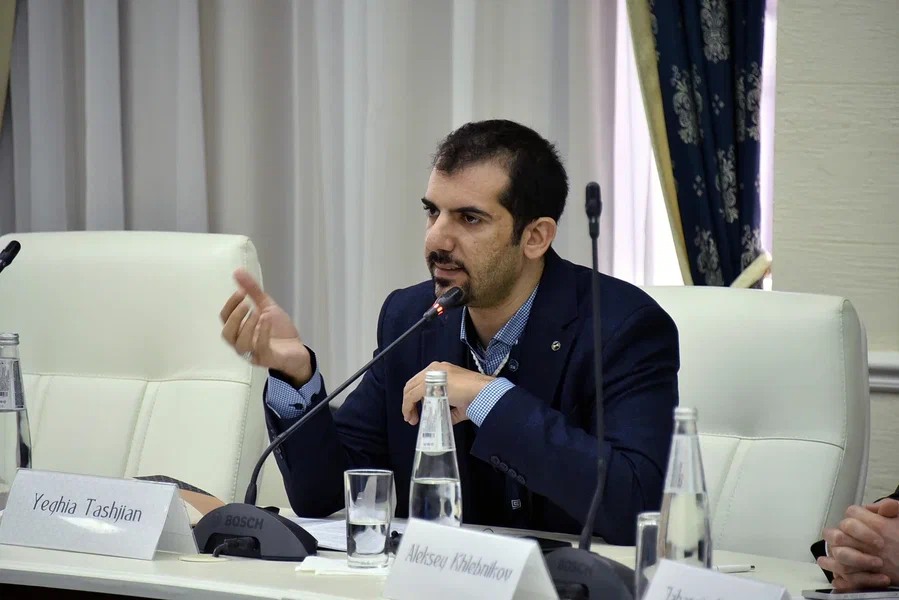
Yeghia Tashjian at the II International Expert Forum “Russia-Middle East” organized by the Primakov Center for International Cooperation at the Pyatigorsk State University, Russia, November 7-10, 2022 Over the past few weeks, I participated in multiple international and regional workshops and conferences in

Book Review | Political Relations Between Mongols and Kingdom of Lesser Armenia (By Yeghia Tashjian)

In his book Political Relations between Mongols and Kingdom of Lesser Armenia (1236-1277AD) and its impact on Islamic History (published in Beirut, 2020), Dr. Abdulla bin Jassim Ali Al-Thani writes about the regional order in the Near East during the 13th century and the impact of

How can Armenians overcome their national crisis? (By Yeghia Tashjian)

War adversely affects combatants and non-combatants alike, both physically and psychologically. Death, disability, illness and post-traumatic stress disorders (PTSD) are common consequences of wars, the horrors of which disrupt not just the life of the people but also the economy and state institutions.

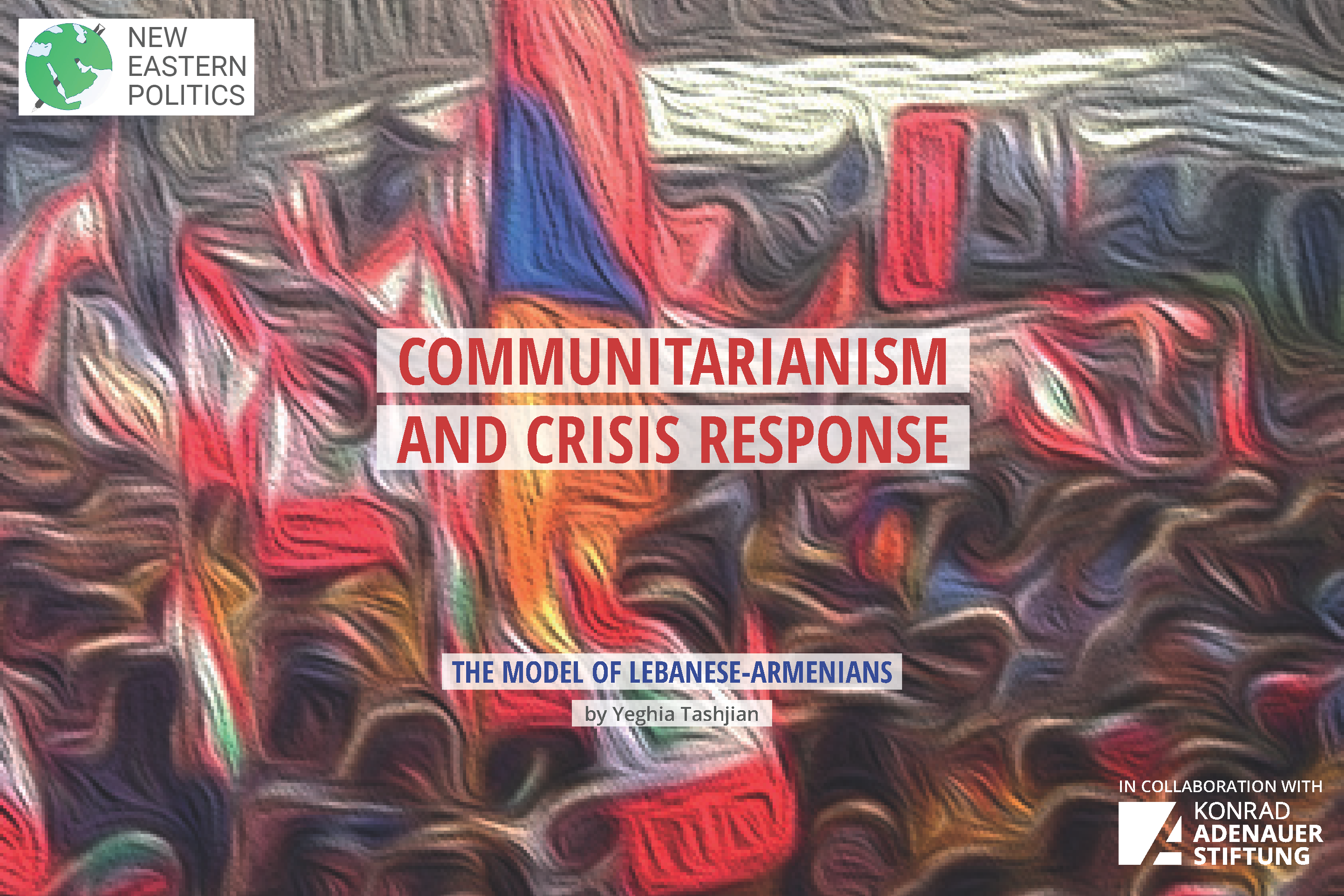
Communitarianism and Crisis Response: The Model of Lebanese-Armenians (By Yeghia Tashjian)

In collaboration with Konrad-Adenauer Stiftung, the “MODEL OF LEBANESE-ARMENIANS” written by Yeghia Tashjian analyses the impact of the communitarian approach as a way for Re-discovering Armenian Nationalism, responding to the socio-economic crisis, and rendering a consolidated communitarian response front vis a vis challenges.

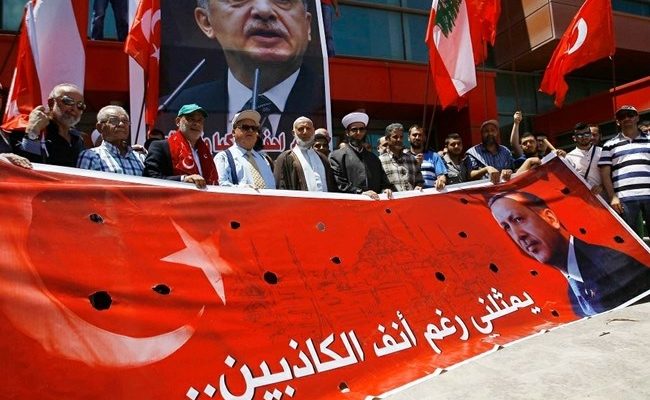
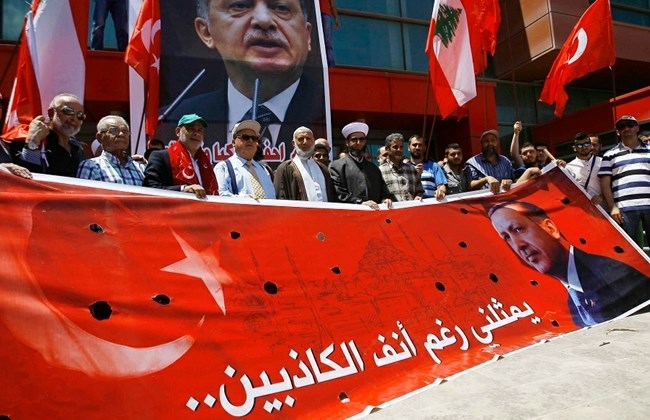
The neo-Ottomans are back. How should Lebanese Armenians respond? (By Yeghia Tashjian)

Lebanese resilience is being severely tested by the ongoing financial crisis. Economic and social costs are overwhelming, and the middle class is disappearing as poverty spirals out of control. The Lebanese currency has almost lost 60 percent of its value compared to US

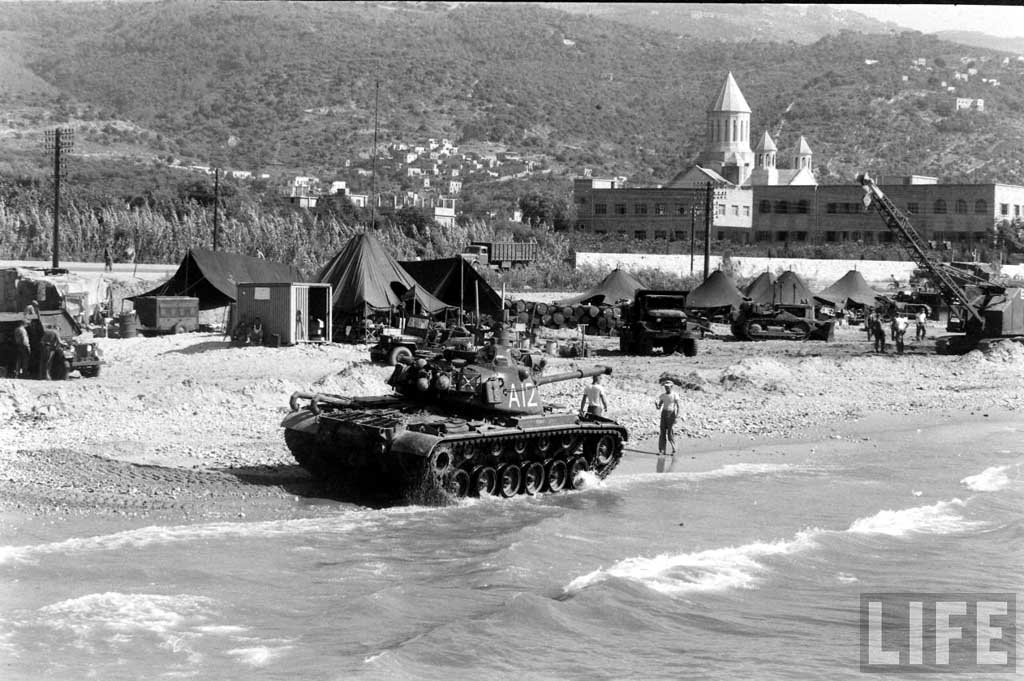
The Origin, success and failure of the Lebanese-Armenian “Third Force” during the intra-communal cold war (1956-1960) (By Yeghia Tashjian)

The Origin, success and failure of the Lebanese-Armenian “Third Force” during the intrA-communal cold war (1956-1960)[1]   During the intra-Armenian cold war (1956-1960) it was necessary to have a “third voice” (alternatively known as ‘Third Track’, ‘Third Path’, ‘Third Force’) to build a

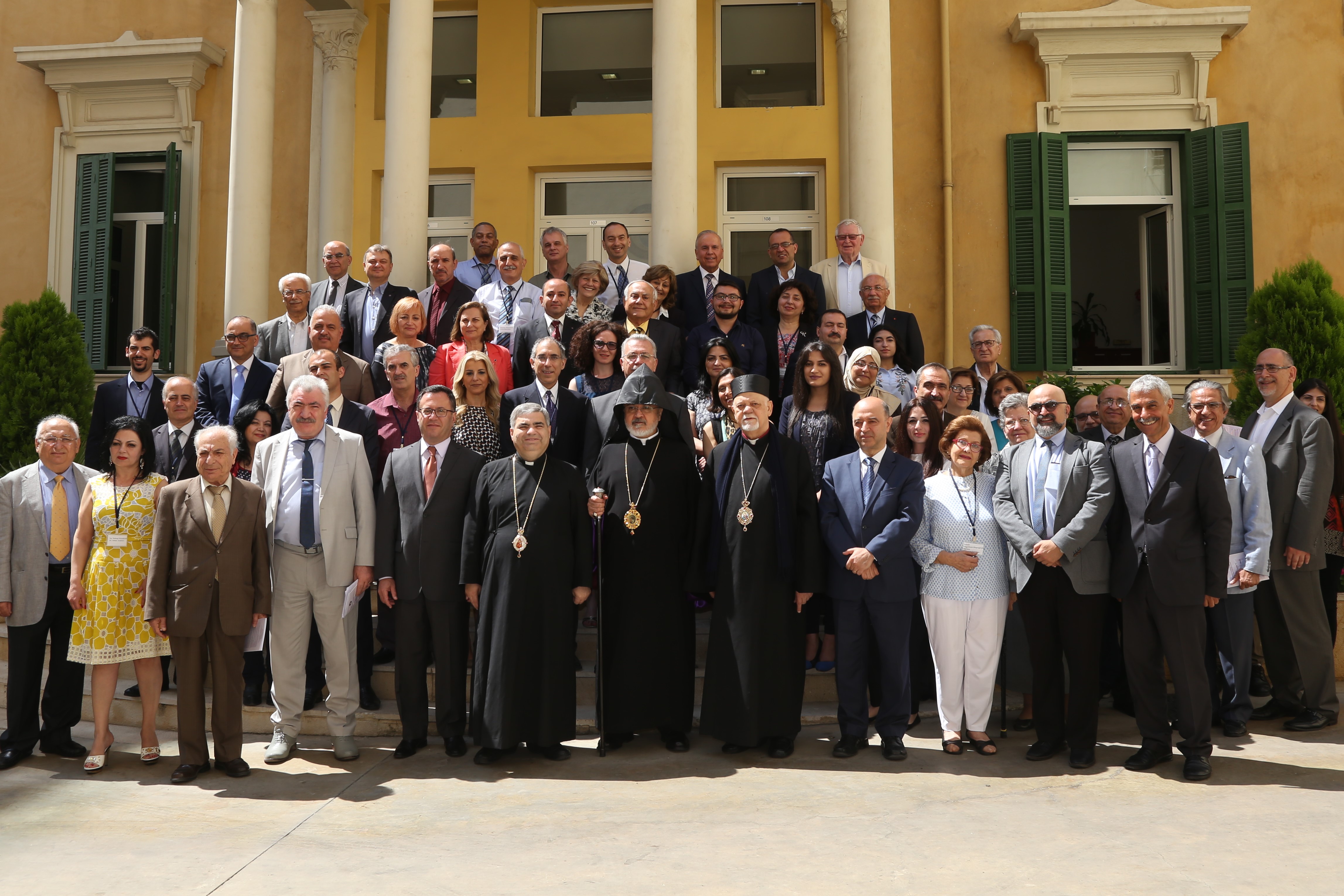
International Conference on “Armenians of Iraq” at Haigazian University, May 29-31, 2017

Organized by the Armenian Diaspora Research Center at Haigazian University, and supported by the Armenian Communities Department of the Calouste Gulbenkian Foundation, the conference on “Armenians of Iraq” took place over the course of three days. On Monday, May 29, the official opening

In Turkey, the Victims Change but the Regime Remains the Same (By Uzay Bulut)

Some 51.4 percent of the more than 58 million Turks who turned out to vote on April 16 said yes to the ruling Justice and Development Party’s (AKP) constitutional amendment package. With that vote, they decided to shift to an executive presidential system.

Turkish Foreign Policy Under the AKP Rule: The Limited Role of Turkey in Lebanon (By Joe Hammoura)

ABSTRACT During the last decade, Turkish foreign policy exhibited a heightened interest in the Middle East thereby inaugurating a sharp departure from a long foreign policy tradition which relegated the region to the backwater. The conspicuous examples of this shift are Turkey’s keen