Book Review: The Armenians of Aintab (by Yeghia Tashjian)

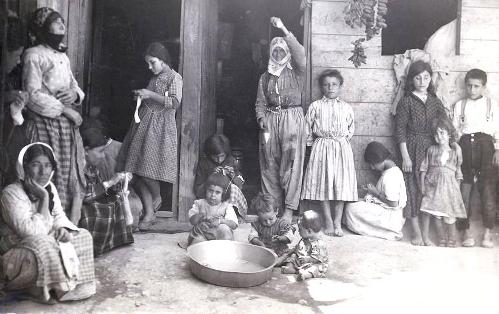
The Armenians of Aintab: The Economics of Genocide in an Ottoman Province By Ümit Kurt Harvard University Press, April 2021 400 pp. $45.00 As an Aintabtsi Armenian, Dr. Ümit Kurt’s book The Armenians of Aintab; The Economics of Genocide in an Ottoman Province pushed me
The Class Struggle in the Ottoman Empire and the Armenian Genocide (By Yeghia Tashjian)

Starting in the 19th century, the Ottoman Empire was undergoing an economic transition and European powers were meddling in the empire’s economic system. This factor gave rise to the Christian middle class at the expense of the traditional Muslim middle class. To counter this

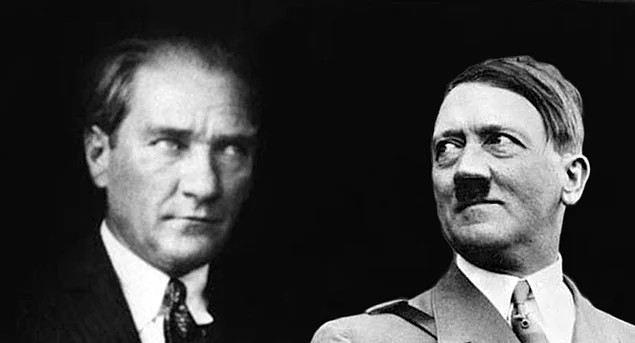
Book Review | Ataturk in the Nazi Imagination (by Yeghia Tashjian)

Early in his career, Nazi leader Adolf Hitler took inspiration from Benito Mussolini, his senior colleague in fascism; this fact is widely known. But an equally important role model for Hitler and the Nazi Party was Mustafa Kemal Ataturk, the founder of modern

The battles of Sardarabad,* Bash Abaran, and Gharakilisa: Our Existential Battle and Our Path to Pioneer Democracy (By Madeleine Mezagopian)

In 1918 the year our Armenian ancestors, including the grandparents of this author, were fleeing getting massacred at the hands of Turkish rulers and heading towards any safe destination to survive and preserve their Armenian identity. Armenians in part of motherland Armenia were

The Current State and Prospects of Armenia-Turkey Relations (By Dr. Benyamin Poghosyan)

Since gaining independence in 1991 Armenia has faced tough challenges in building relations with two of its four neighbors — Azerbaijan and Turkey. Relations with Azerbaijan were mainly influenced by Karabakh conflict. Armenia was supporting Nagorno Karabakh Armenians to defend themselves against Azerbaijani

Turkey Uncensored: ‘First, They Came For the Armenians’ (By Uzay Bulut)

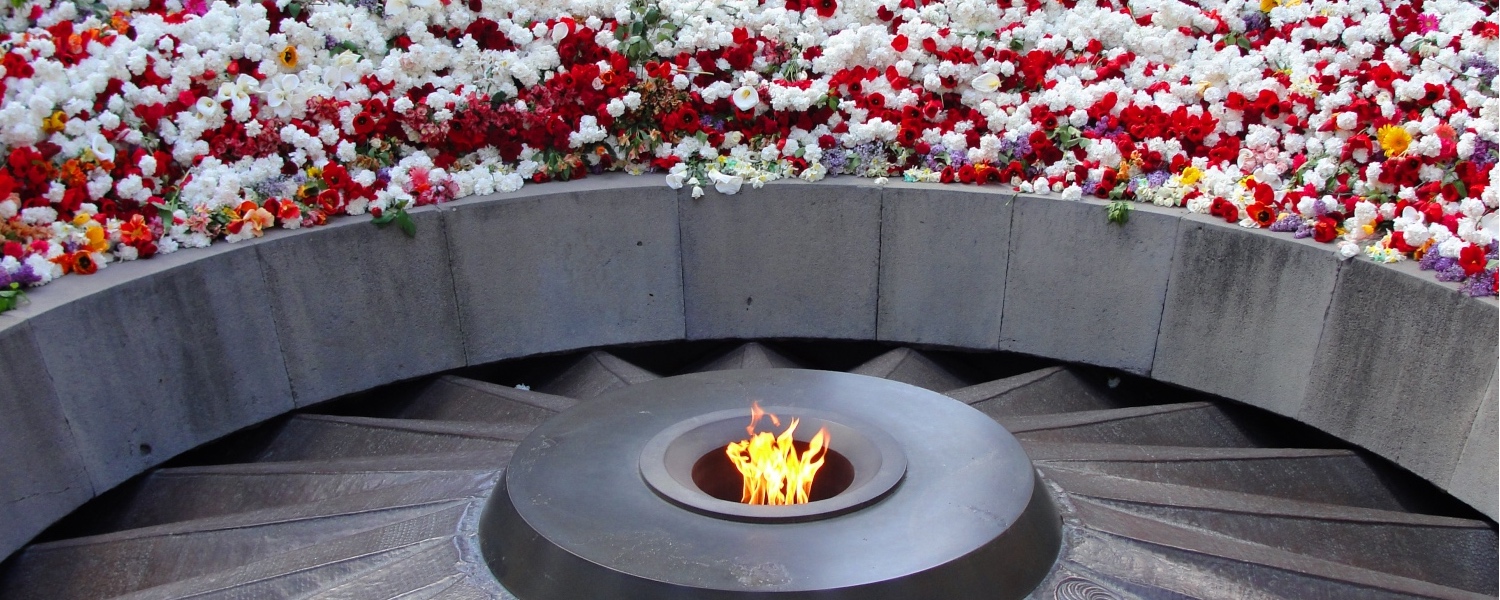
April 24 marked the 102nd anniversary of the 1915 Armenian Genocide. Armenians around the world – as well those in the international community who care about human rights – remembered the 1.5 million victims of the genocide and paid homage to their legacy.

Armenian Feminism and Reconstructing the Post-Genocide National Identity (Yeghia Tashjian)

In post-genocide or post-catastrophe periods, women are often left out of the national collectivity. That is, in the gendered classification between public and private space that characterizes national structures, women are restrained within the private space and their contributions to In post-genocide or

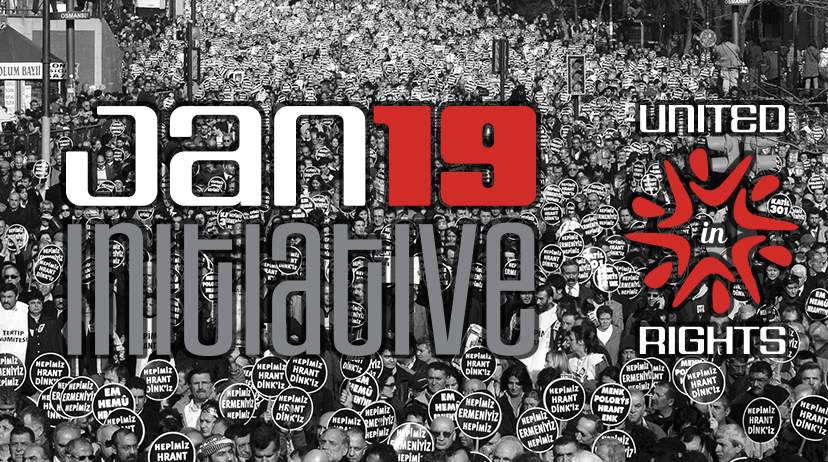
Conclusions Concerning the “19 January Initiative”

Issued on 21-22 January 2017, Berlin United in Rights Conference and 25-26 February 2017, Paris Round Table Concerning the “19 January Initiative” 1. The Asia Minor Peoples’ UNITED IN RIGHTS conference held in Berlin on the 28-29 of February 2017, created the “United

Armenian Involvement in the 1925-1946 Kurdish Rebellions in Republican Turkey: Trying to Map the Origins of “Hidden Armenians (By Garabet Krikor Moumdjian)

(Note: The research below is a first draft of a paper that is being edited for academic publication) Abstract: The history of Armenian-Kurdish relations extends over centuries. In the 1800’s, Armenians were involved in the Kurdish rebellions in Kurdistan proper. The rebellions were

Foundations of non-Muslim Communities: The Last Object of Confiscation (By Sait Çetinoğlu)

Non-Muslim Foundations in Turkey have been facing a huge amount of problems. These problems are a systematic part of the disturbance, suppression, and expulsion of non-Muslims.With the ruling of the general legal committee of the Supreme Court of Appeals in 1974, non-Muslim citizens