The South Caucasus and the “Great Game” of Energy Security (by Yeghia Tashjian)

The Beginning of the Modern “Great Game” in the South Caucasus The “Great Game” was a political and diplomatic confrontation that existed for most of the 19th century and the beginning of the 20th century between the British Empire and the Russian Empire
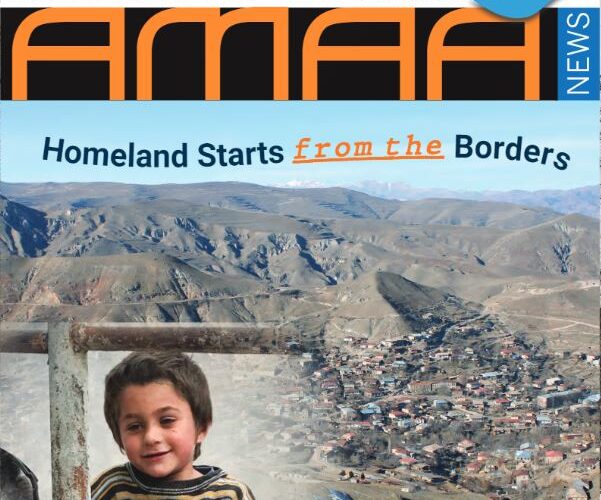
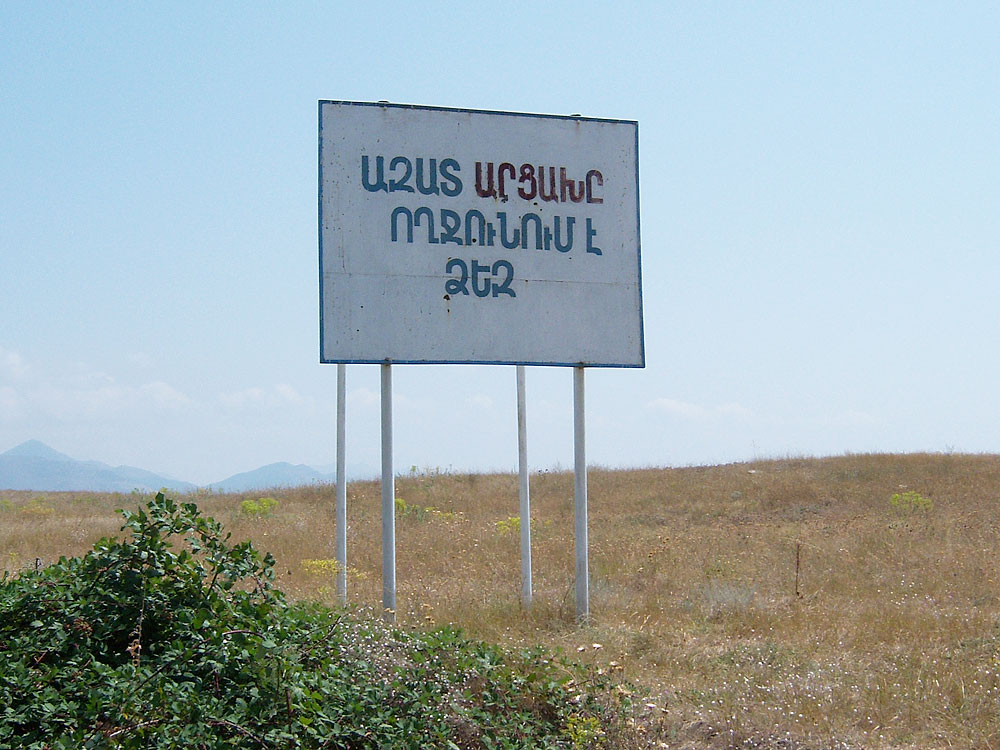
AMAA’s Mission in the Bordering Villages of Armenia and Artsakh (by Yeghia Tashjian)

Very often in times of need, we suddenly hear the doorbell ringing. When we open the door, we discover a friend or a relative is there to help us, secret angels who suddenly appear “out of nowhere” to help without asking for anything

Iran plays its cards in the South Caucasus (by Yeghia Tashjian)

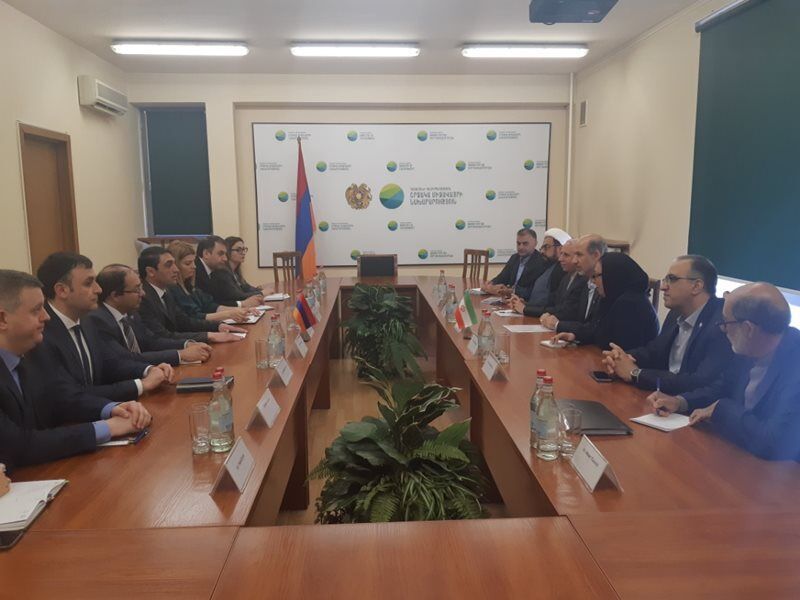
In recent months, Iran has engaged in active foreign policy in the South Caucasus to push its geo-economic interests forward. Meanwhile, Western-led economic sanctions have pushed Russia to realize the significance of the North-South trade route. Iran defused and refreshed its relations with

Reflection on the “Armenia-Iran: Historical Past and Present” International Conference (by Yeghia Tashjian)

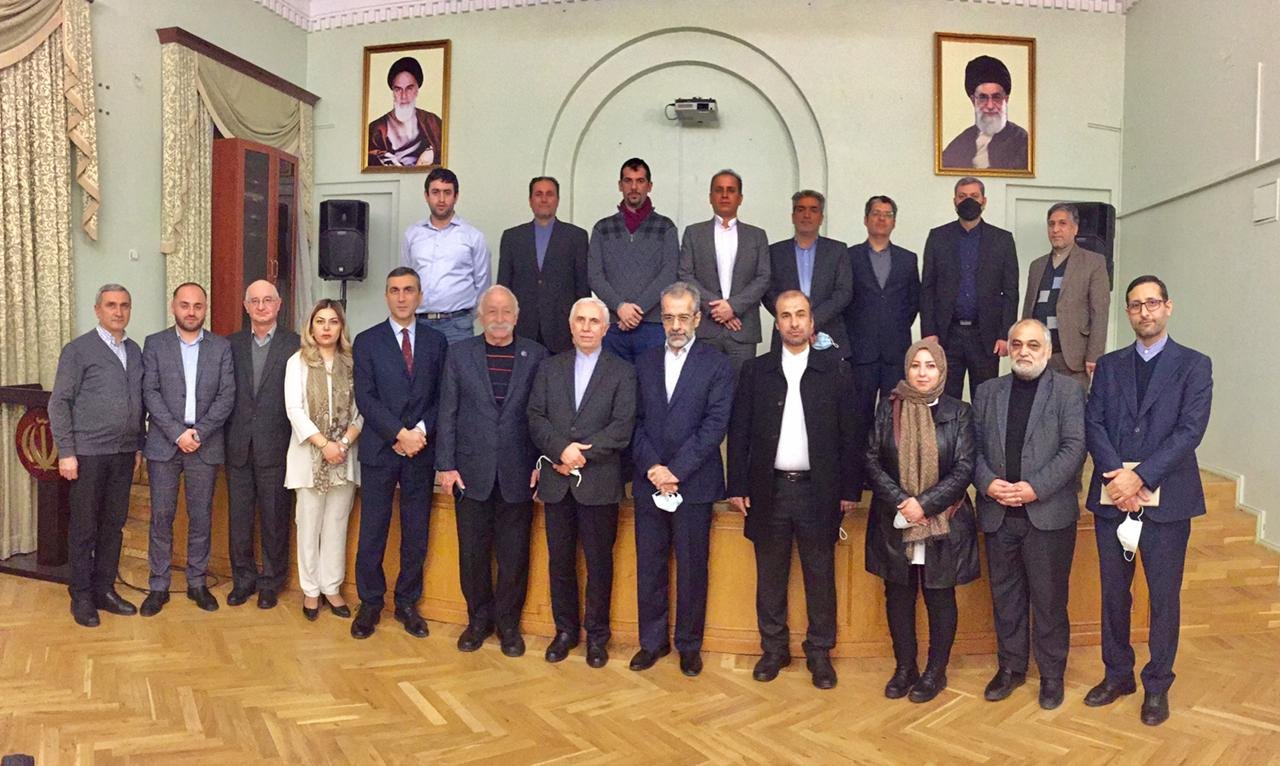
The Iranian Studies Department of the Oriental Studies of the Armenian National Academy of Sciences, together with the Iranian Cultural Center of the Embassy of Islamic Republic of Iran at Yerevan and Yerevan State University, organized a two-day international conference from February 9-10,

The Regional Implications of the Iranian President’s Visit to Moscow (by Yeghia Tashjian)

On January 19, 2022, Iranian President Dr. Ibrahim Raisi traveled to Moscow and met his Russian counterpart Vladimir Putin in an effort to improve bilateral ties between both countries. The leaders discussed regional and international issues, among them the negotiations around Iran’s nuclear

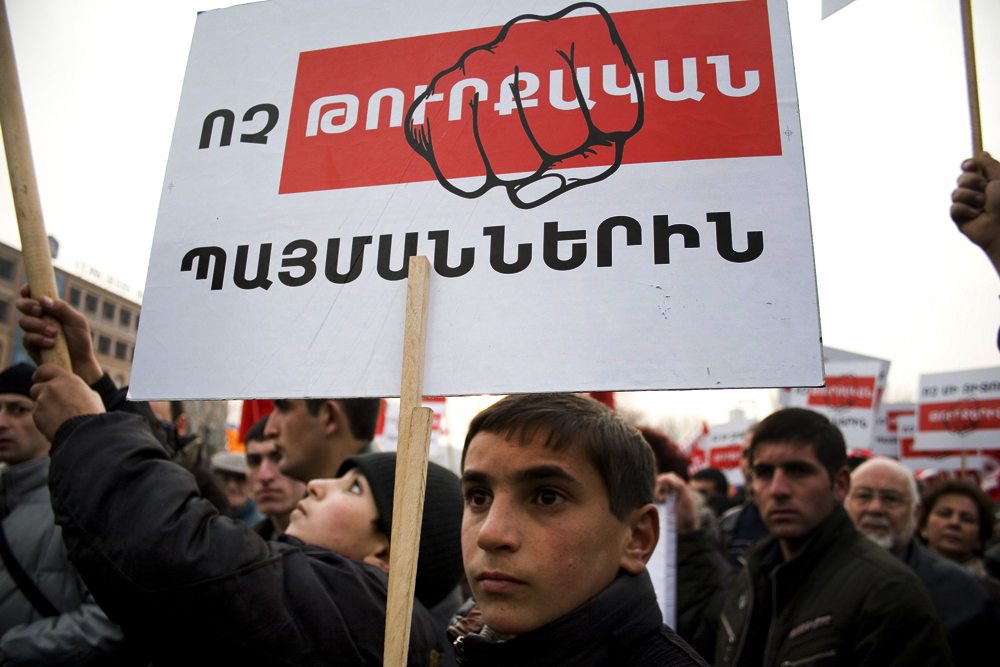
ARF’s Position on the Armenian-Turkish “Normalization” Process (by Yeghia Tashjian)

Often, there are misconceptions or misrepresentations of the Armenian Revolutionary Federation’s (ARF) official position on Armenian-Turkish relations. Western journalists, analysts and even Armenian liberals have labeled the party as “anti-peace,” “aggressive nationalist” and have accused it of acting against any kind of dialogue

Book Review | Clash of Histories in the South Caucasus

Clash of Histories in the South Caucasus: Redrawing the map of Azerbaijan, Armenia and Iran By Rouben Galichian Bennet & Bloom, 2012 232 pp. It is widely acknowledged that history is often manipulated and revised by authoritarian states. History textbooks have been used

Beyond the Centennials of the Moscow and Kars Treaties (By Yeghia Tashjian)

The year 1921 officially put an end to the independence and territorial unity aspirations of the First Armenian Republic—a republic that was squeezed between the Kemalist Turkey and its Tatar agents and the Bolsheviks. On March 16, 1921, the Grand National Assembly of

Is Iran making a comeback to the South Caucasus? (By Yeghia Tashjian)

In one of my previous articles “Iran and the Second Artsakh War: Has Tehran lost its leverage over the South Caucasus?” I argued that from a geopolitical and geo-economic point of view, Iran lost its influence in the region after the 2020 war.

What kind of Artsakh do we want? (By Yeghia Tashjian)

I wanted to write about this a long time ago, even before the war. But the Artsakh War, its devastating outcome on the Armenian nation and its political ideology pushed me to raise some provocative questions and arguments. What kind of Artsakh do