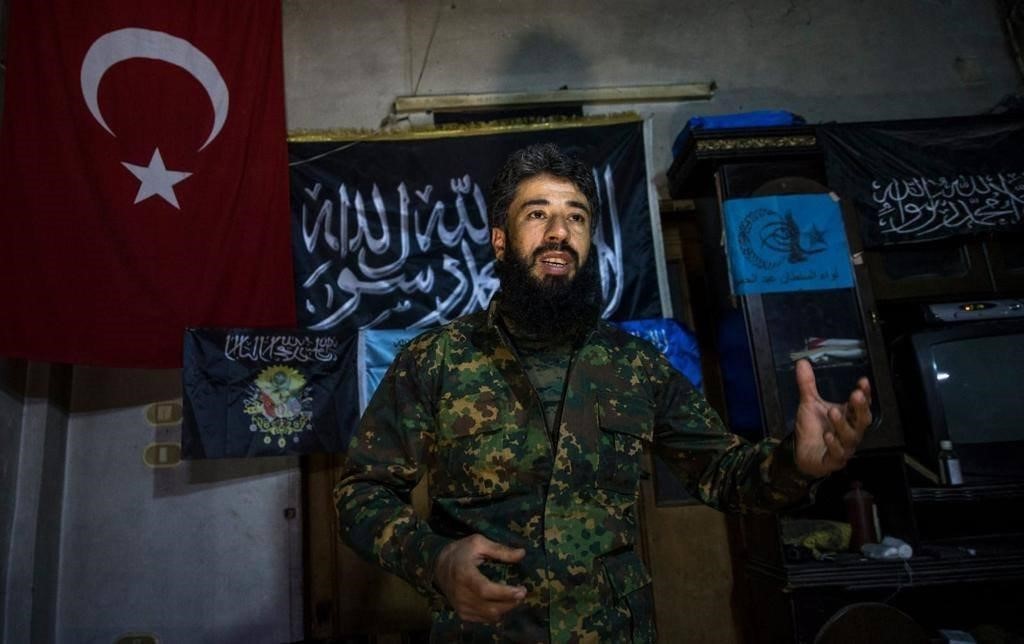
Revolutionizing the Turkish Army under Erdogan (By Yeghia Tashjian)

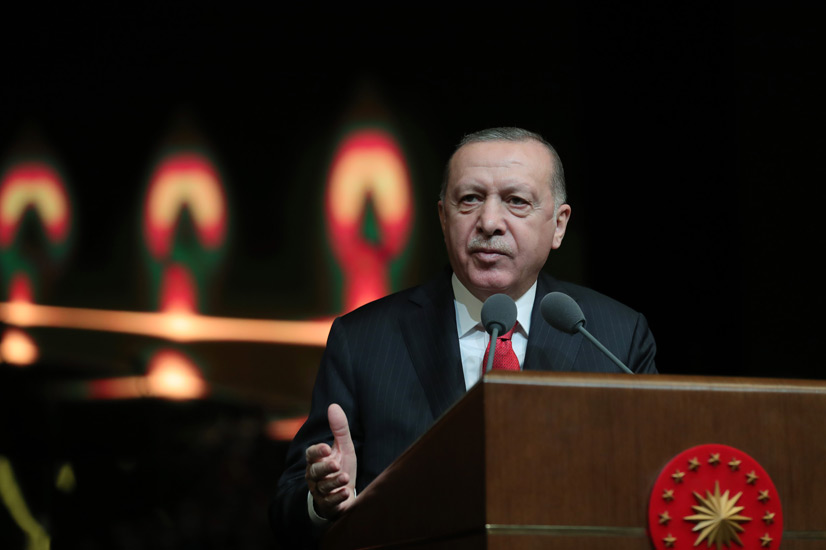
Back in July, Rich Outzen published a policy paper “Deals, Drones and National Will: The New Era in Turkish Power Projection” in the Washington Institute for Near East Policy highlighting the new strategy of the Turkish Armed Forces, the development of the arms
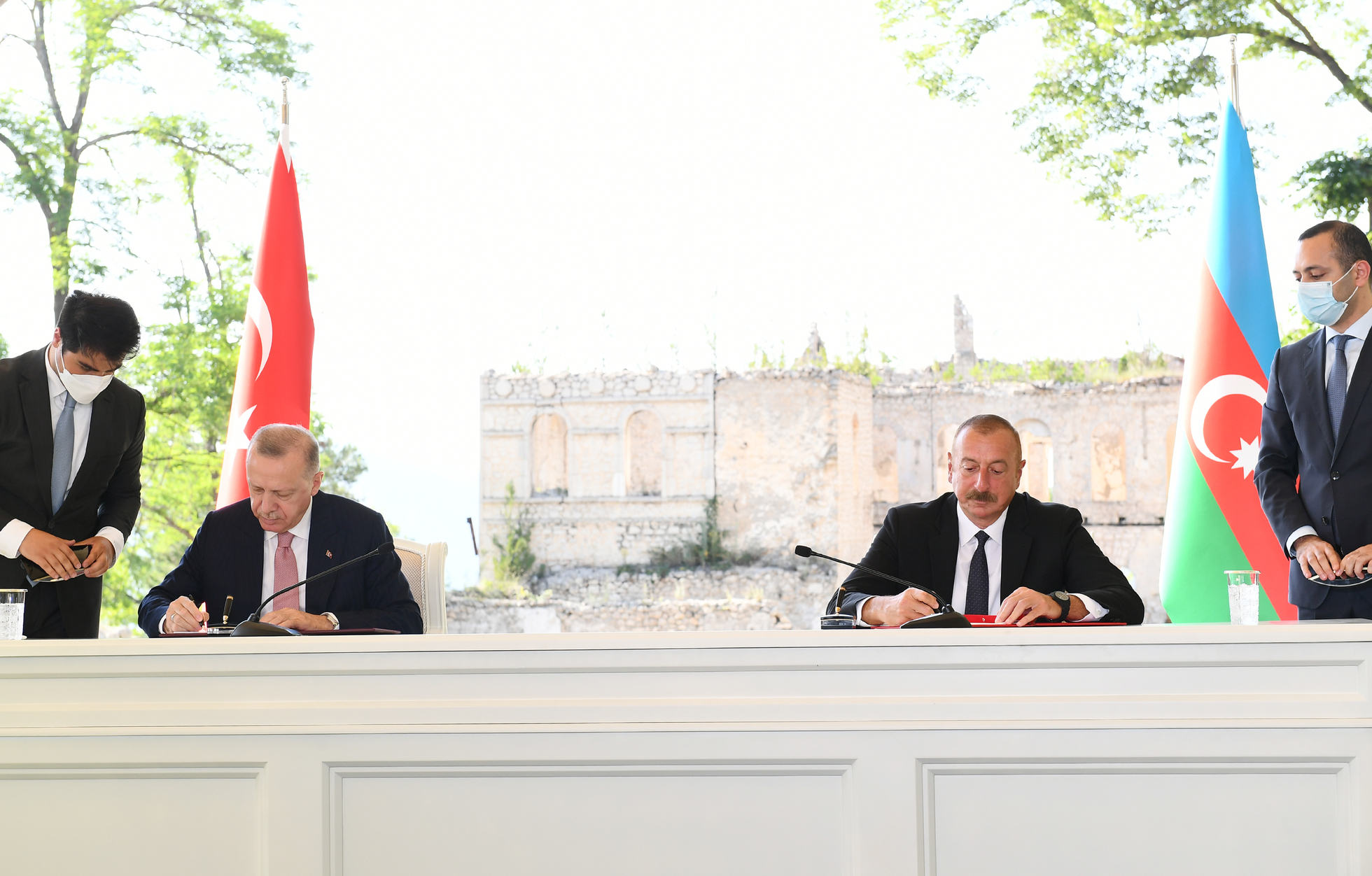
“Shushi Declaration” and its Implications on the South Caucasus and Beyond (By Yeghia Tashjian)

On June 15, 2021, during his visit to occupied Shushi, Turkish President Recep Tayyip Erdogan signed the Shushi Declaration with his Azerbaijani counterpart Ilham Aliyev to cement “allied relations” between the two countries. The declaration consists of many important points including mutual defense guarantees and

Book Review | Ataturk in the Nazi Imagination (by Yeghia Tashjian)

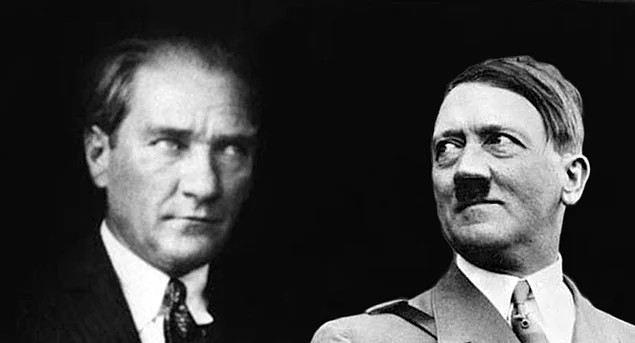
Early in his career, Nazi leader Adolf Hitler took inspiration from Benito Mussolini, his senior colleague in fascism; this fact is widely known. But an equally important role model for Hitler and the Nazi Party was Mustafa Kemal Ataturk, the founder of modern

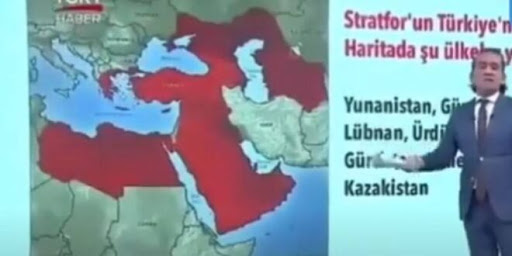
More Than Just a Map: Stratfor’s Map of Turkey’s Sphere of Influence 2050 (By Yeghia Tashjian)

George Friedman, The Next 100 Years: A Forecast for the 21st Century, pp. 203 (Doubleday, 2009)   Stratfor is an intelligence-based “research center” often described as the “shadow CIA” whose advisory is to sell intelligence. Its founder George Friedman published a book in 2009 titled “The

Turkey’s Pivot in Central Asia: A Calculated Risk? (By Yeghia Tashjian)

Turkey, under President Erdogan, is increasingly pursuing a proactive foreign policy designed to achieve four objectives: challenge the regional status quo, forge a global leadership role, enhance the regime’s domestic legitimacy and ensure its survival. Central Asia plays a key role in Erdogan’s domestic, trade

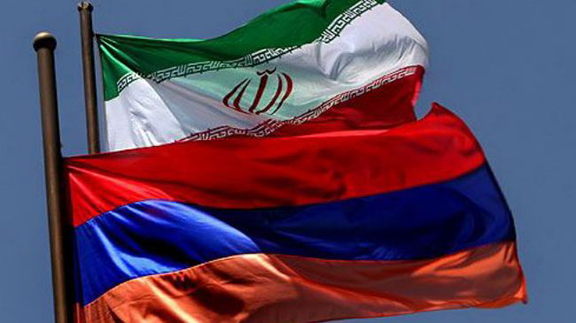
Iran and the Second Artsakh War: Has Tehran lost its leverage over the South Caucasus? (By Yeghia Tashjian)

Introduction When it comes to the South Caucasus, Iran is historically and geographically a crucial regional actor alongside Russia and Turkey. To assert its influence in the Nagorno-Karabakh/Artsakh conflict, Tehran had offered to mediate between Armenia and Azerbaijan on various occasions, but its

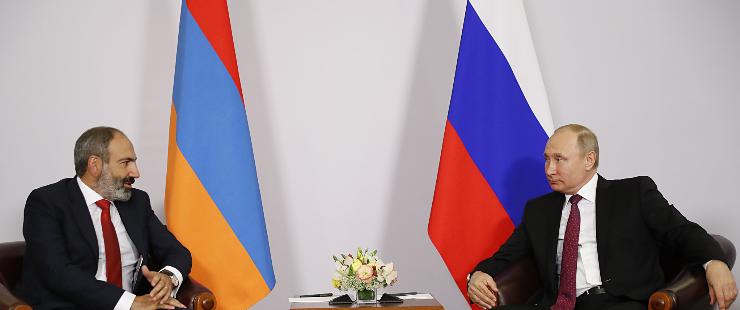
How Armenia Underestimated Regional Geopolitics (By Yeghia Tashjian)

The question that Armenian authorities must ask is not if authorities in Yerevan underestimated or miscalculated the geopolitical shifts in the region or not, but how they underestimated, miscalculated and ignored the shifting balance of power in the Middle East and beyond. Geopolitics is

Erdogan’s Enver Pasha Dream: The Revival of the “Army of Islam” (By Yeghia Tashjian)

On July 10, 1918, the Ottoman Minister of War, Enver Pasha, ordered the formation of the “Islamic Army of the Caucasus” in order to repel the Armenian forces in South Caucasus, unite all the Turkic nations in the region under the banner of

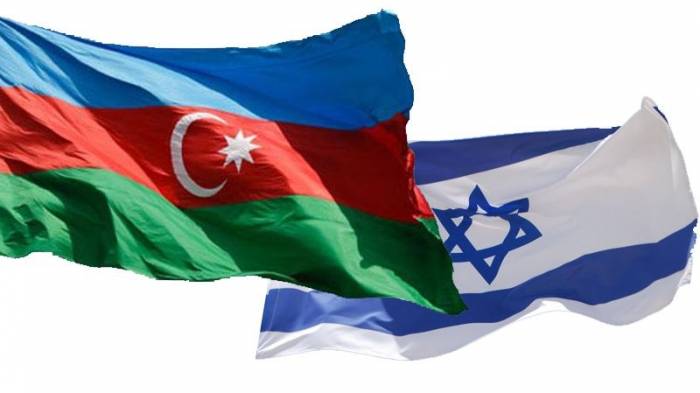
The axis of instability: The Azerbaijani-Israeli alliance (By Mona Issa & Yeghia Tashjian

Israel functions as a US proxy in the Middle East, pushing for US foreign policy and interest against its enemies – today, Iran is the only country in the region challenging the US and opposing its policies. Iran, an oil-rich country stranded by

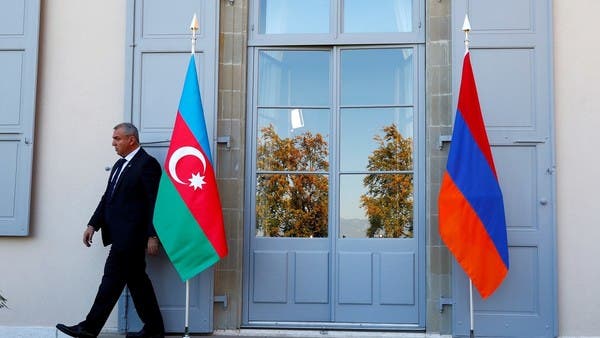
The Geopolitical and Energy Security Dimensions of the Latest Armenian-Azerbaijani Clashes (Yeghia Tashjian)

There are currently three major zones of possible escalations between Russia and Turkey: the Levantine zone in Syria, the Mediterranean zone in Libya, and the Caucasian zone between Armenia and Azerbaijan. All of these zones are interconnected with each other. The latest Azerbaijani