After Nagorno-Karabakh, Iran may be next (by Yeghia Tashjian)

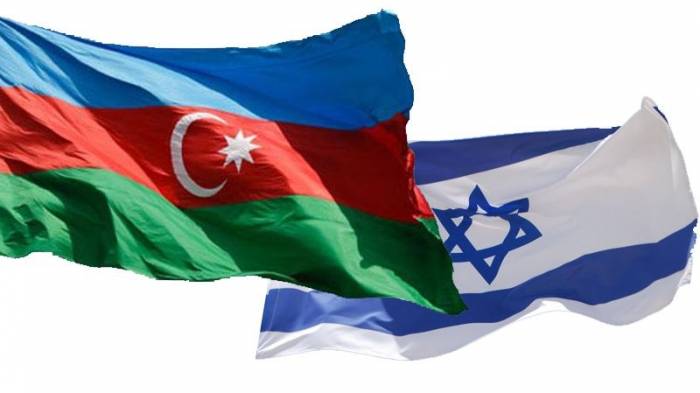
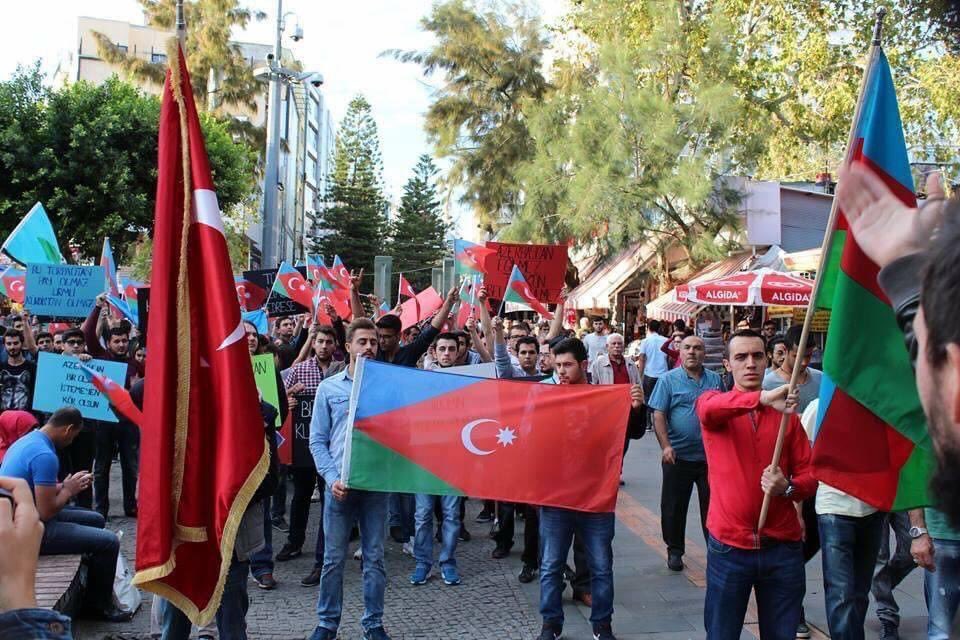
Political relations between Azerbaijan and Iran are deteriorating amid signs of closer security and diplomatic cooperation between Baku and Tel Aviv. Israel’s Foreign Minister Eli Cohen’s comments to reporters in Jerusalem on March 29 about his “agreement” with his Azerbaijani counterpart to form
How Iran perceives the developments in Artsakh (by Yeghia Tashjian & Zhanna Vardanyan)

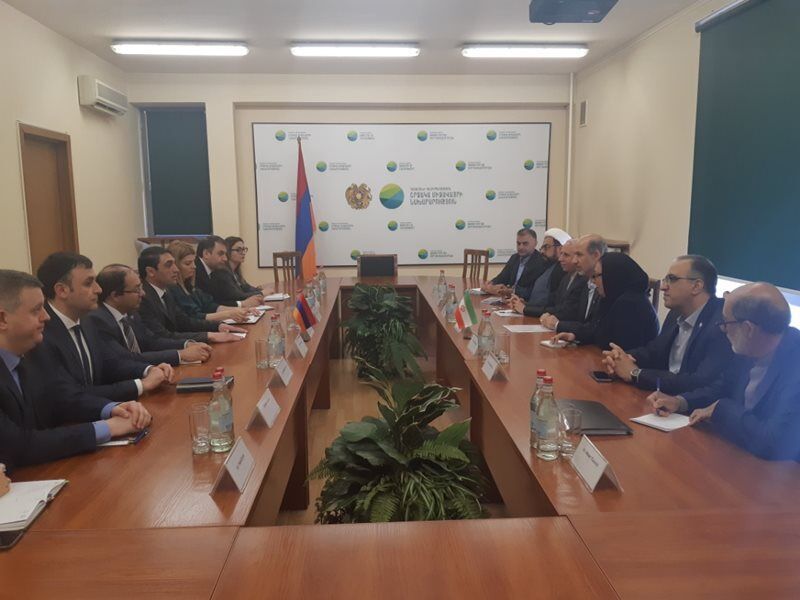
As Russia and Western powers seek to compete in the South Caucasus, many analysts neglect the role of Iran in the region. After the 2020 war and the signing of the November 9 trilateral statement, Iran realized that its geo-economic and geopolitical interests

Iran plays its cards in the South Caucasus (by Yeghia Tashjian)

In recent months, Iran has engaged in active foreign policy in the South Caucasus to push its geo-economic interests forward. Meanwhile, Western-led economic sanctions have pushed Russia to realize the significance of the North-South trade route. Iran defused and refreshed its relations with

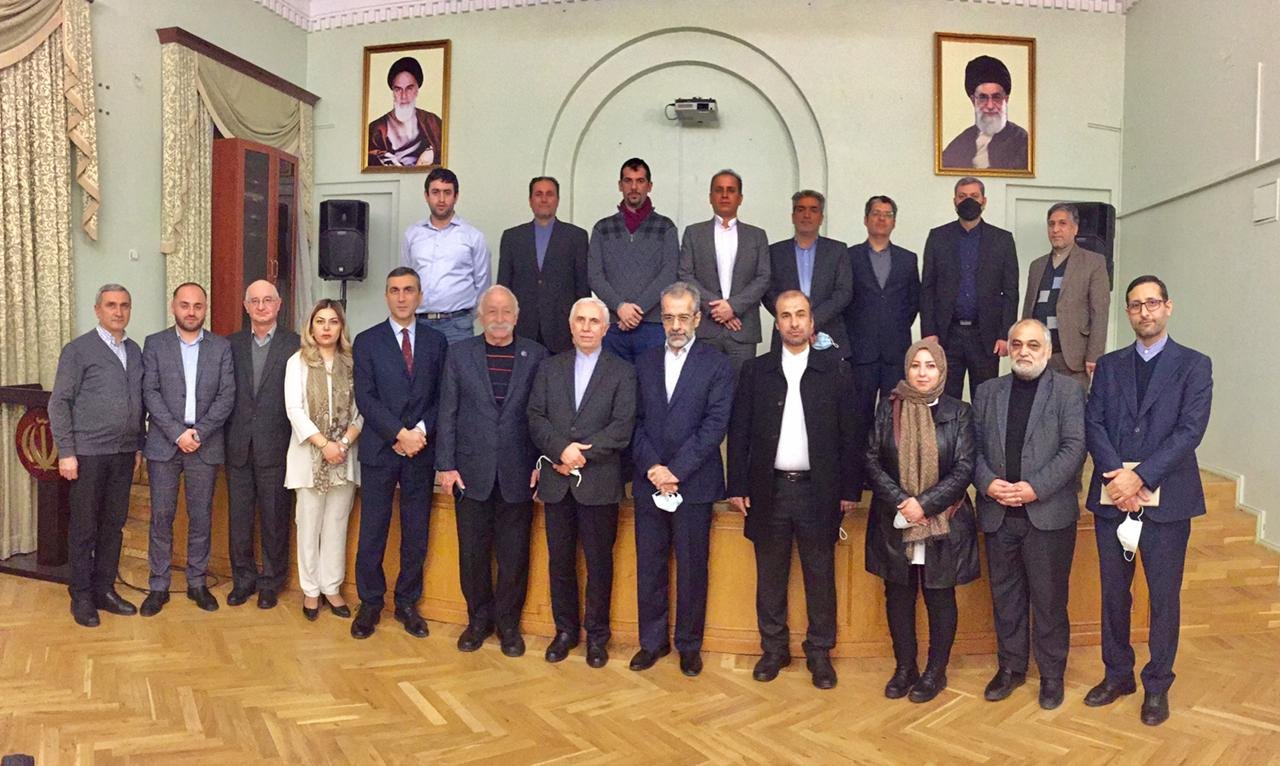
Reflection on the “Armenia-Iran: Historical Past and Present” International Conference (by Yeghia Tashjian)

The Iranian Studies Department of the Oriental Studies of the Armenian National Academy of Sciences, together with the Iranian Cultural Center of the Embassy of Islamic Republic of Iran at Yerevan and Yerevan State University, organized a two-day international conference from February 9-10,

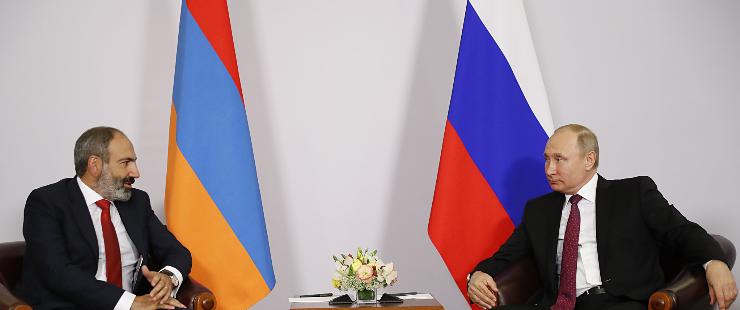
The Regional Implications of the Iranian President’s Visit to Moscow (by Yeghia Tashjian)

On January 19, 2022, Iranian President Dr. Ibrahim Raisi traveled to Moscow and met his Russian counterpart Vladimir Putin in an effort to improve bilateral ties between both countries. The leaders discussed regional and international issues, among them the negotiations around Iran’s nuclear

Is Iran making a comeback to the South Caucasus? (By Yeghia Tashjian)

In one of my previous articles “Iran and the Second Artsakh War: Has Tehran lost its leverage over the South Caucasus?” I argued that from a geopolitical and geo-economic point of view, Iran lost its influence in the region after the 2020 war.

Joe Biden’s presidency and the possible geopolitical shifts in the Middle East (By Yeghia Tashjian)

President Joe Biden has inherited a state of disorder in the Middle East from Donald Trump. Powers such as Russia and Turkey have filled the vacuum as the US has, to a certain degree, isolated itself from regional issues. Biden is expected to

How Armenia Underestimated Regional Geopolitics (By Yeghia Tashjian)

The question that Armenian authorities must ask is not if authorities in Yerevan underestimated or miscalculated the geopolitical shifts in the region or not, but how they underestimated, miscalculated and ignored the shifting balance of power in the Middle East and beyond. Geopolitics is

The axis of instability: The Azerbaijani-Israeli alliance (By Mona Issa & Yeghia Tashjian

Israel functions as a US proxy in the Middle East, pushing for US foreign policy and interest against its enemies – today, Iran is the only country in the region challenging the US and opposing its policies. Iran, an oil-rich country stranded by

Iran – South Caucasus. Current stage and perspectives of relations (Benyamin Poghosyan)

Iran is one of the key geopolitical actors of the Middle East. Despite the current “diplomatic isolation and maximum economic pressure” campaign launched by the US President Trump Administration, Iran retains its capabilities of making serious impact on regional geopolitics. It exerts political