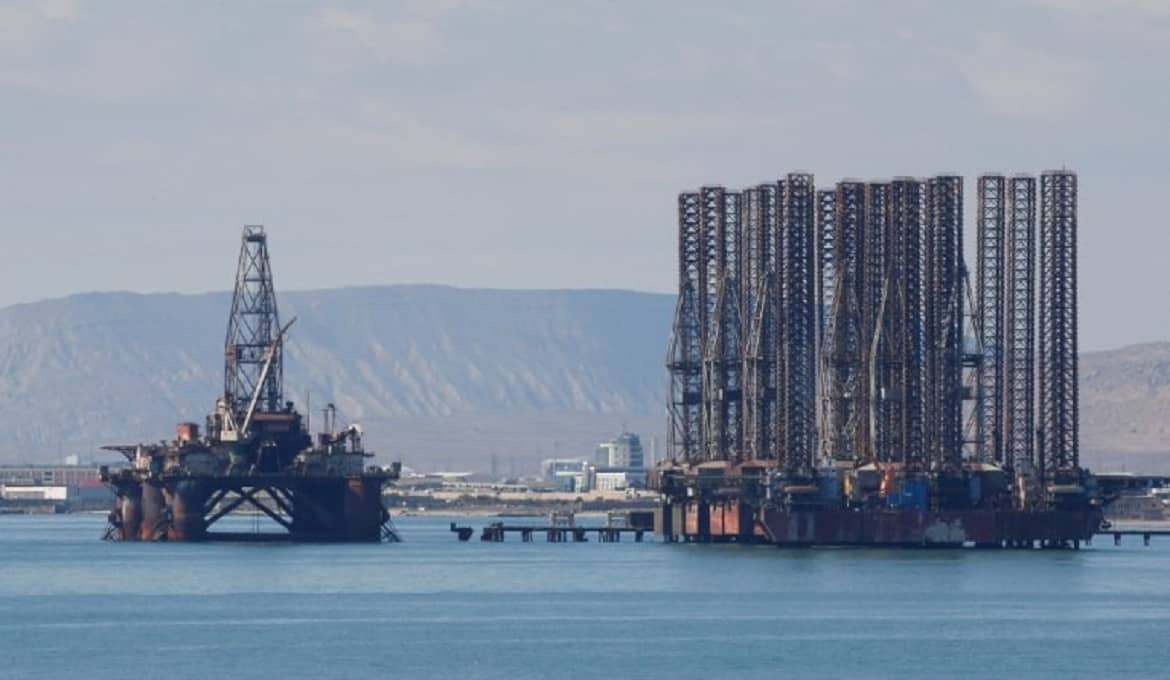
Irreplaceable losses in Azerbaijan’s economy from oil crisis and coronavirus (By Anton Evstratov)

The collapse in oil prices combined with the necessary quarantine measures related to the coronavirus pandemic has caused damage to the Azerbaijani economy, which will be extremely difficult to overcome even in favorable macroeconomic scenarios. Between the beginning of January and the end
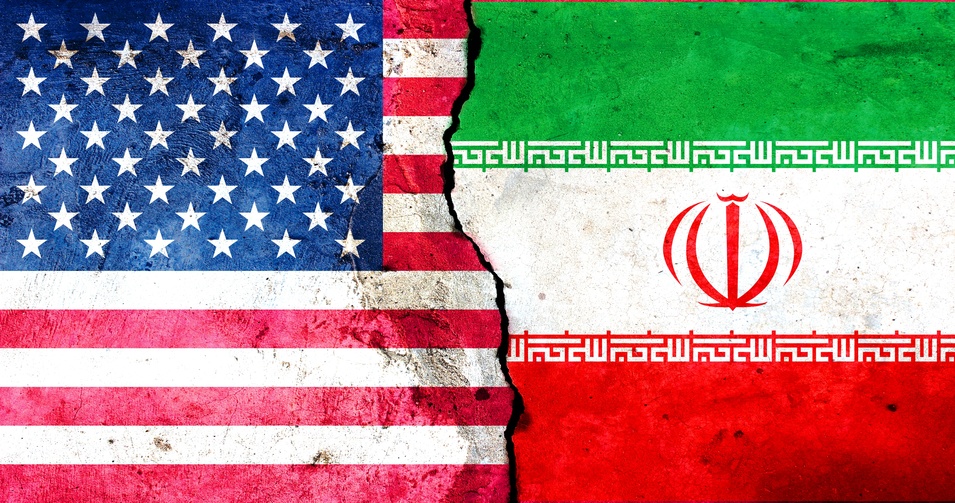
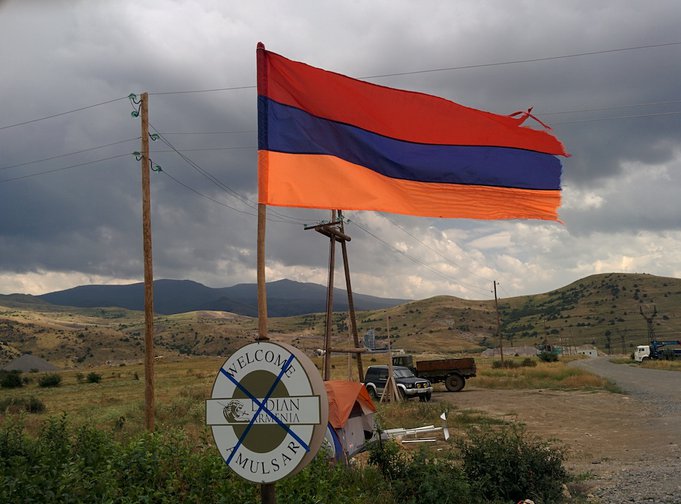
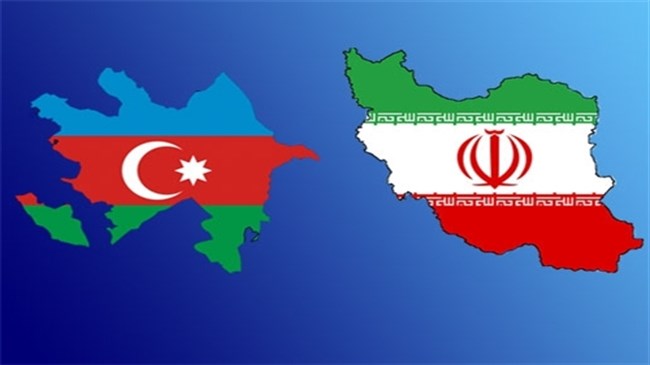
Iran – South Caucasus. Current stage and perspectives of relations (Benyamin Poghosyan)

Iran is one of the key geopolitical actors of the Middle East. Despite the current “diplomatic isolation and maximum economic pressure” campaign launched by the US President Trump Administration, Iran retains its capabilities of making serious impact on regional geopolitics. It exerts political

To Mine or not to Mine? A post-Revolutionary Debate on Mining in Armenia (By Yeghia Tashjian)

Introduction    Following the fall of the Soviet Union in 1991, the Armenian economy collapsed. Starting in 1993, the government took a neo-liberal path and launched an ambitious IMF-sponsored economic reform by privatizing most public companies. As a result, a small elite concentrated

Deciphering Armenia – Russia relations after the “Velvet Revolution” (By Benyamin Poghosyan)

A pivot towards the West is simply not in Armenia’s best interest. Immediately after the “Velvet Revolution” in Armenia during the spring of 2018, the main narrative regarding possible developments in Armenian and Russian relations focused on negative expectations. Conventional wisdom brought plenty

The Dangers of the “Ruleless” World (By Benyamin Poghosyan)

The United States President Donald J. Trump’s decision to recognize Israel sovereignty over the Golan Heights brought upon criticism and admiration from both anti- and pro-Israeli groups worldwide. However, most parts of the discussion were focused on the damage or gains of that step for

Internal Discord in CSTO May Be Pushing Armenia to Leave Russia-Led Alliance (By Eduard Abrahamyan)

The issue of naming a new secretary general of the Russia-led Collective Security Treaty Organization (CSTO) has become another bone of contention between supposed allies Armenia, Belarus and Kazakhstan. The alliance’s heretofore formal head, General Yuri Khachaturov, a former chief of the General

Conflict and negotiation between Georgia and Abkhazia: What went wrong? (By Dogachan Dagi)

  Abstratct   The road to the Georgian-Abkhazian war in 1992-1993 was paved by constantly increasing mutual mistrust, outright rejection of the possible differentiated interests and categorical belief in absolute gain. These structural and perceptional problems continued to undermine the peace negotiations as

Attacks In Azerbaijan: Manipulation Of A “Shiite Threat” And Iran (By Eldar Mamedov)

Highly unusual events have been rocking the small, but strategically important Caspian nation of Azerbaijan during the last week. An attempt on the life of Elmar Veliyev, the mayor of the nation´s second city, Ganja, took place on July 3. Although seriously wounded, the mayor

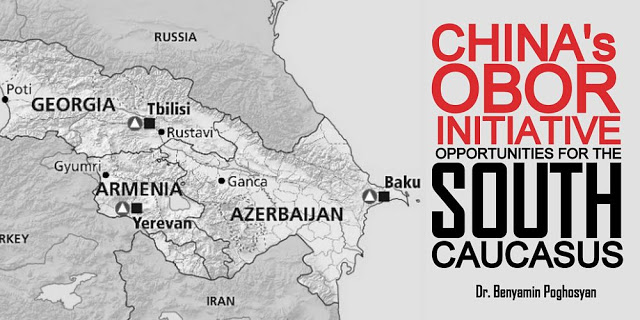
China’s OBOR Initiative — Opportunities for the South Caucasus (Benyamin Poghosyan)

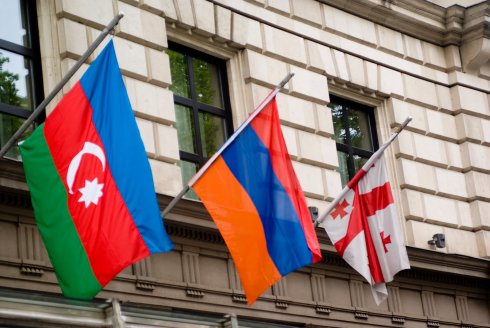
The “South Caucasus” has a strategic locational advantage by connecting Europe with Asia and the Middle East. After the collapse of the Soviet Union three internationally recognized independent states — Armenia, Azerbaijan, and Georgia — emerged in the region and all three pursues distinctively different foreign policy goals since their inception. Armenia Due

The regional security situation remains challenging (By Benyamin Poghosyan)

The South Caucasus is facing multiple security challenges with no clear path to overcome them in the foreseeable future. The conflicts in Nagorno Karabakh, Abkhazia, and South Ossetia are hampering any efforts to have an inclusive regional cooperation, and are the key reasons