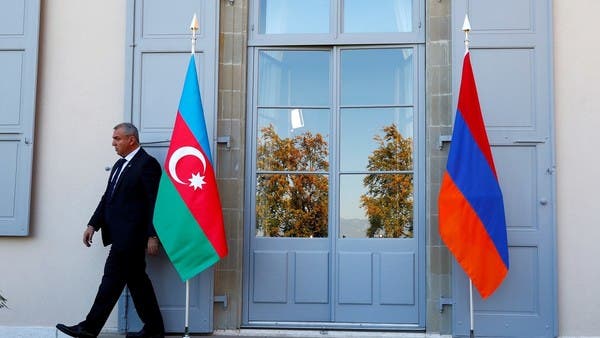
Aliyev, once again, threatens Armenia with war (By Yeghia Tashjian)

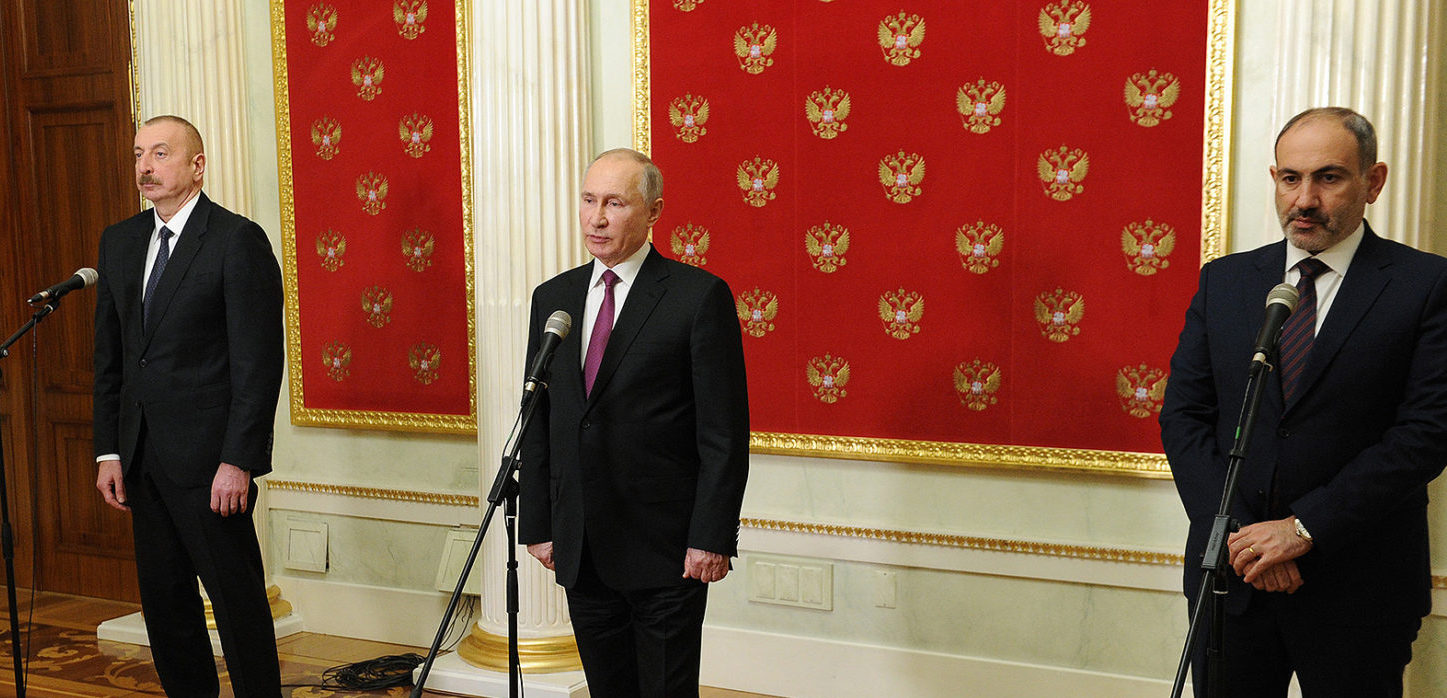
“NEVER, WITHOUT SYUNIK, WITHOUT THIS STRONG GEOGRAPHIC BACKBONE OF ARMENIA, OUR ENTIRE HOMELAND CANNOT EXIST.” — KAREKIN NJTEH Azerbaijani President Ilham Aliyev is taking advantage of the domestic instability in Yerevan and once again using a threatening tone against Armenia. On the 6th
Book Review: Ethnicity, Nationalism and Conflict in the South Caucasus (Yeghia Tashjian)

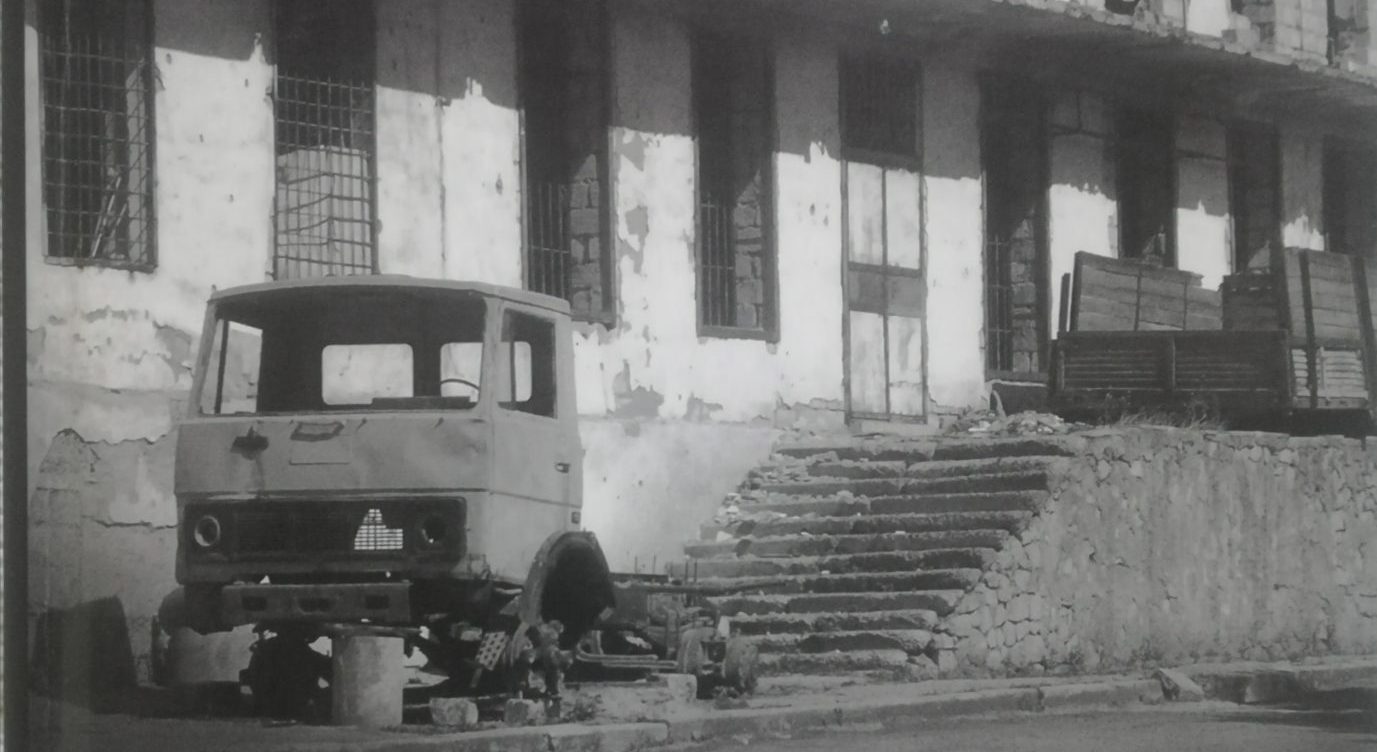
In his book “Ethnicity, Nationalism, and Conflict in the South Caucasus: Nagorno-Karabakh and the Legacy of Soviet Nationalities Policy” (2012), Dr. Ohannes Geukjian analyzes how ethnicity and nationalism became a catalytic cause of the Nagorno-Karabakh conflict and how they have affected Armenian-Azerbaijani relations

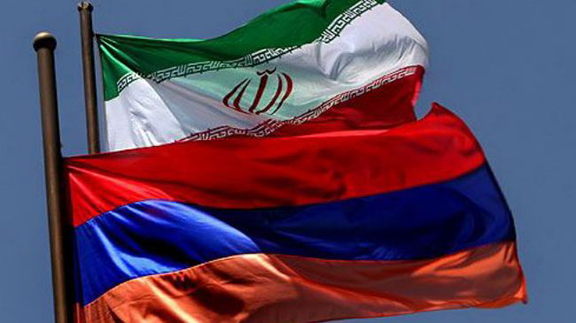
Iran and the Second Artsakh War: Has Tehran lost its leverage over the South Caucasus? (By Yeghia Tashjian)

Introduction When it comes to the South Caucasus, Iran is historically and geographically a crucial regional actor alongside Russia and Turkey. To assert its influence in the Nagorno-Karabakh/Artsakh conflict, Tehran had offered to mediate between Armenia and Azerbaijan on various occasions, but its

The Division of Trade Spoils over Armenia (By Yeghia Tashjian)

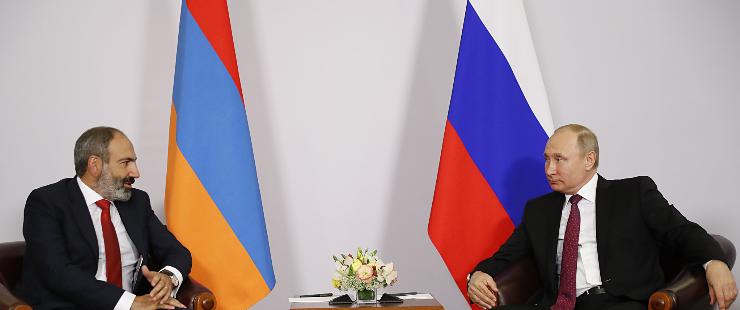
After the armistice of November 10, Russia gained significant strategic advantages in the South Caucasus. Russia did not just score a military victory by consolidating its military presence in the region, but it is also facilitating the construction of railways and trade networks.

How Armenia Underestimated Regional Geopolitics (By Yeghia Tashjian)

The question that Armenian authorities must ask is not if authorities in Yerevan underestimated or miscalculated the geopolitical shifts in the region or not, but how they underestimated, miscalculated and ignored the shifting balance of power in the Middle East and beyond. Geopolitics is

Russia and the Future Status of Shushi (By Yeghia Tashjian

On November 10, 2020, Armenian Prime Minister Nikol Pashinyan announced on Facebook that Yerevan had agreed to a Russian-brokered armistice and thus cessation of hostilities with Azerbaijan. “I made that decision as a result of an in-depth analysis of the military situation and the assessment

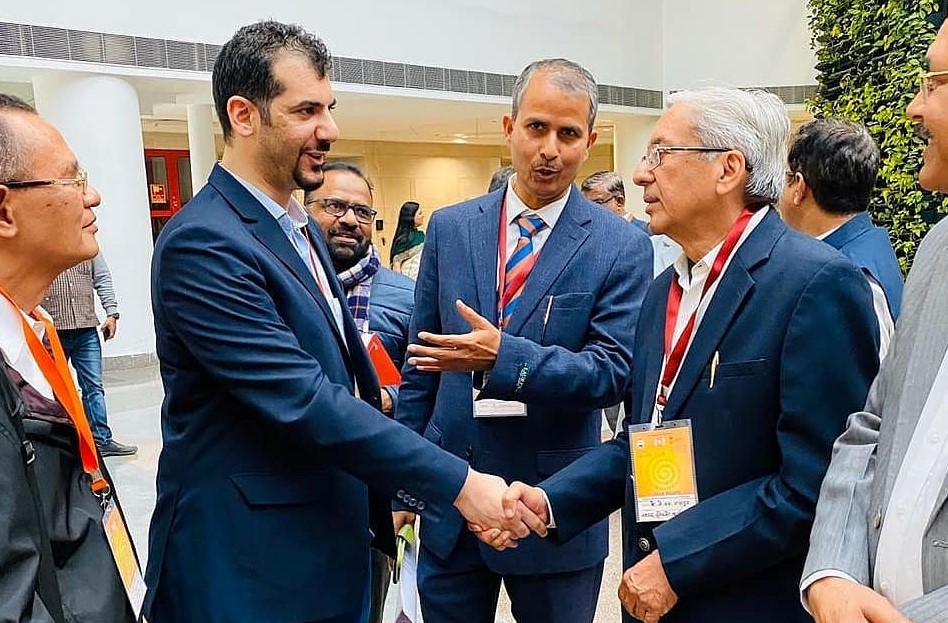
Prospects for Future Armenian-Indian Security Cooperation (By Yeghia Tashjian)

The presence of Armenians in the Indian sub-continent dates back centuries when the Mughal emperor Akbar (1556-1605) invited a large number of Armenians to settle in Agra. The emperor granted Armenians several religious and financial privileges and opportunities to work in his empire.

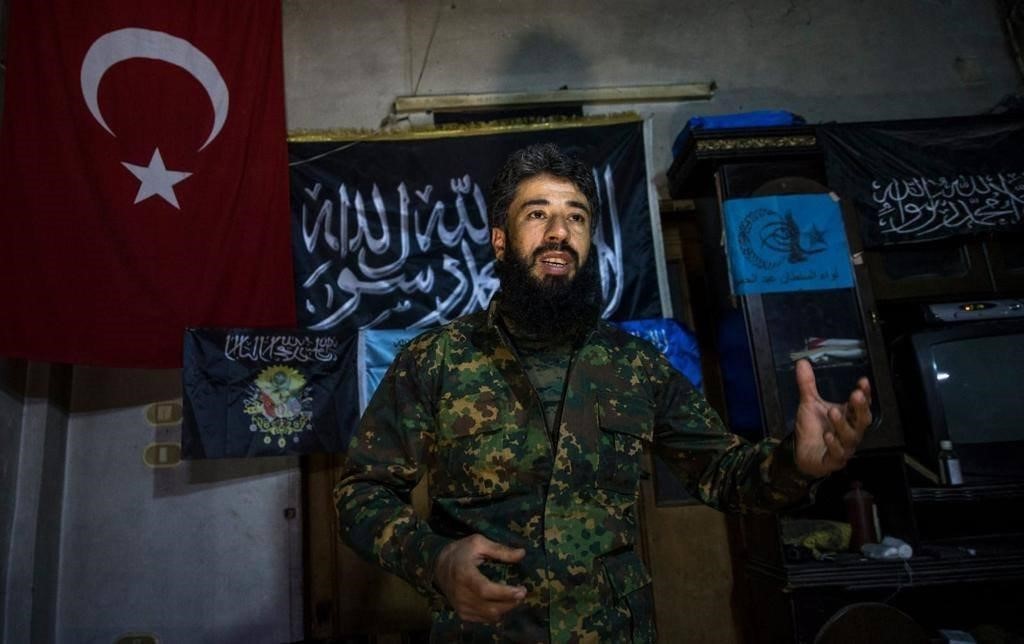
Erdogan’s Enver Pasha Dream: The Revival of the “Army of Islam” (By Yeghia Tashjian)

On July 10, 1918, the Ottoman Minister of War, Enver Pasha, ordered the formation of the “Islamic Army of the Caucasus” in order to repel the Armenian forces in South Caucasus, unite all the Turkic nations in the region under the banner of

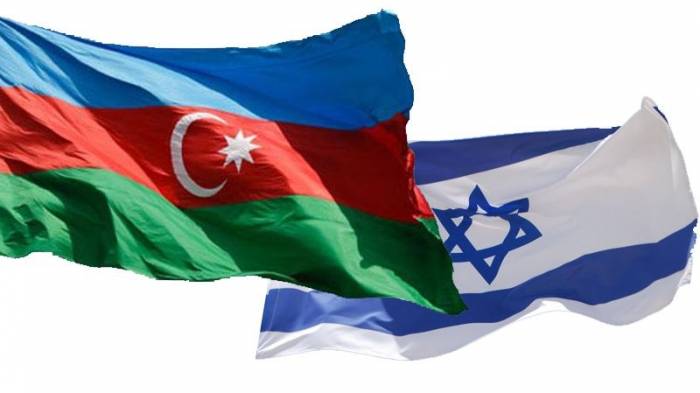
The axis of instability: The Azerbaijani-Israeli alliance (By Mona Issa & Yeghia Tashjian

Israel functions as a US proxy in the Middle East, pushing for US foreign policy and interest against its enemies – today, Iran is the only country in the region challenging the US and opposing its policies. Iran, an oil-rich country stranded by

The Geopolitical and Energy Security Dimensions of the Latest Armenian-Azerbaijani Clashes (Yeghia Tashjian)

There are currently three major zones of possible escalations between Russia and Turkey: the Levantine zone in Syria, the Mediterranean zone in Libya, and the Caucasian zone between Armenia and Azerbaijan. All of these zones are interconnected with each other. The latest Azerbaijani