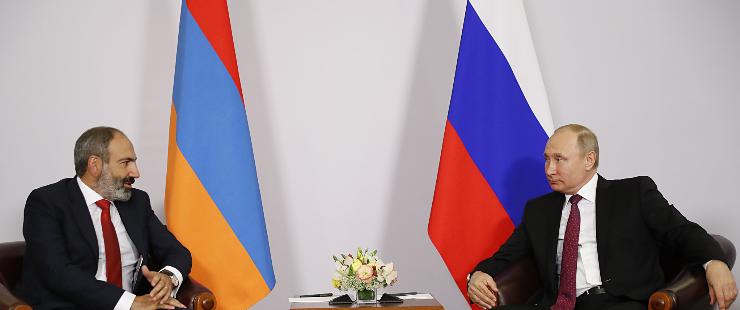
Aliyev, once again, threatens Armenia with war (By Yeghia Tashjian)

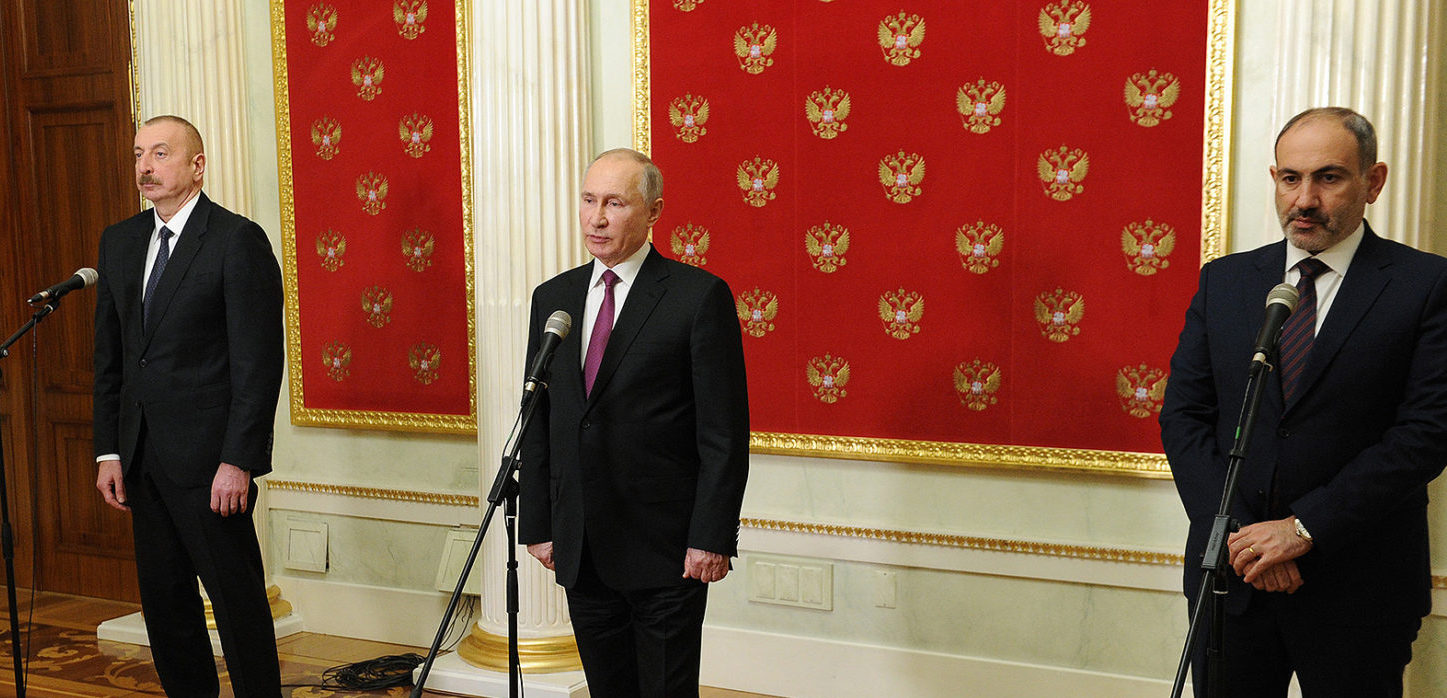
“NEVER, WITHOUT SYUNIK, WITHOUT THIS STRONG GEOGRAPHIC BACKBONE OF ARMENIA, OUR ENTIRE HOMELAND CANNOT EXIST.” — KAREKIN NJTEH Azerbaijani President Ilham Aliyev is taking advantage of the domestic instability in Yerevan and once again using a threatening tone against Armenia. On the 6th
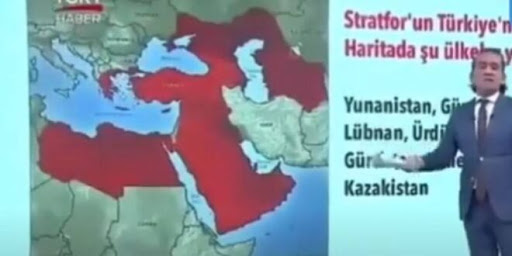
More Than Just a Map: Stratfor’s Map of Turkey’s Sphere of Influence 2050 (By Yeghia Tashjian)

George Friedman, The Next 100 Years: A Forecast for the 21st Century, pp. 203 (Doubleday, 2009)   Stratfor is an intelligence-based “research center” often described as the “shadow CIA” whose advisory is to sell intelligence. Its founder George Friedman published a book in 2009 titled “The

Turkey’s Pivot in Central Asia: A Calculated Risk? (By Yeghia Tashjian)

Turkey, under President Erdogan, is increasingly pursuing a proactive foreign policy designed to achieve four objectives: challenge the regional status quo, forge a global leadership role, enhance the regime’s domestic legitimacy and ensure its survival. Central Asia plays a key role in Erdogan’s domestic, trade

Book Review: Ethnicity, Nationalism and Conflict in the South Caucasus (Yeghia Tashjian)

In his book “Ethnicity, Nationalism, and Conflict in the South Caucasus: Nagorno-Karabakh and the Legacy of Soviet Nationalities Policy” (2012), Dr. Ohannes Geukjian analyzes how ethnicity and nationalism became a catalytic cause of the Nagorno-Karabakh conflict and how they have affected Armenian-Azerbaijani relations

Joe Biden’s presidency and the possible geopolitical shifts in the Middle East (By Yeghia Tashjian)

President Joe Biden has inherited a state of disorder in the Middle East from Donald Trump. Powers such as Russia and Turkey have filled the vacuum as the US has, to a certain degree, isolated itself from regional issues. Biden is expected to

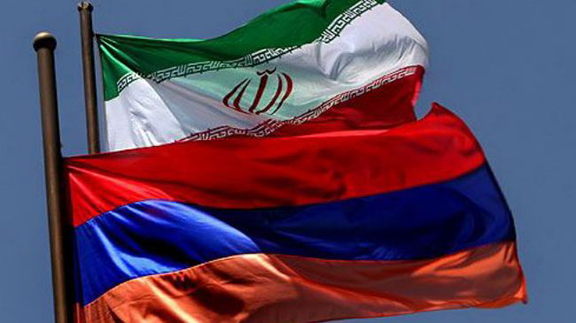
Iran and the Second Artsakh War: Has Tehran lost its leverage over the South Caucasus? (By Yeghia Tashjian)

Introduction When it comes to the South Caucasus, Iran is historically and geographically a crucial regional actor alongside Russia and Turkey. To assert its influence in the Nagorno-Karabakh/Artsakh conflict, Tehran had offered to mediate between Armenia and Azerbaijan on various occasions, but its

The Division of Trade Spoils over Armenia (By Yeghia Tashjian)

After the armistice of November 10, Russia gained significant strategic advantages in the South Caucasus. Russia did not just score a military victory by consolidating its military presence in the region, but it is also facilitating the construction of railways and trade networks.

How can Armenians overcome their national crisis? (By Yeghia Tashjian)

War adversely affects combatants and non-combatants alike, both physically and psychologically. Death, disability, illness and post-traumatic stress disorders (PTSD) are common consequences of wars, the horrors of which disrupt not just the life of the people but also the economy and state institutions.

Communitarianism and Crisis Response: The Model of Lebanese-Armenians (By Yeghia Tashjian)

In collaboration with Konrad-Adenauer Stiftung, the “MODEL OF LEBANESE-ARMENIANS” written by Yeghia Tashjian analyses the impact of the communitarian approach as a way for Re-discovering Armenian Nationalism, responding to the socio-economic crisis, and rendering a consolidated communitarian response front vis a vis challenges.

How Armenia Underestimated Regional Geopolitics (By Yeghia Tashjian)

The question that Armenian authorities must ask is not if authorities in Yerevan underestimated or miscalculated the geopolitical shifts in the region or not, but how they underestimated, miscalculated and ignored the shifting balance of power in the Middle East and beyond. Geopolitics is