A View from Baku: How Azerbaijan perceives the Russia-Ukraine conflict (by Yeghia Tashjian)

As the “frozen conflict” with Armenia over Nagorno-Karabakh (Artsakh) persists, the Ukrainian crisis poses a different challenge for Azerbaijan. “Neutrality” appears to be the watchword as Baku seeks to preserve its ties with both Moscow and Kyiv. While Baku is concerned about the developing
The Impact of the Crisis in Ukraine on the Regional Order in the Middle East (by Yeghia Tashjian)

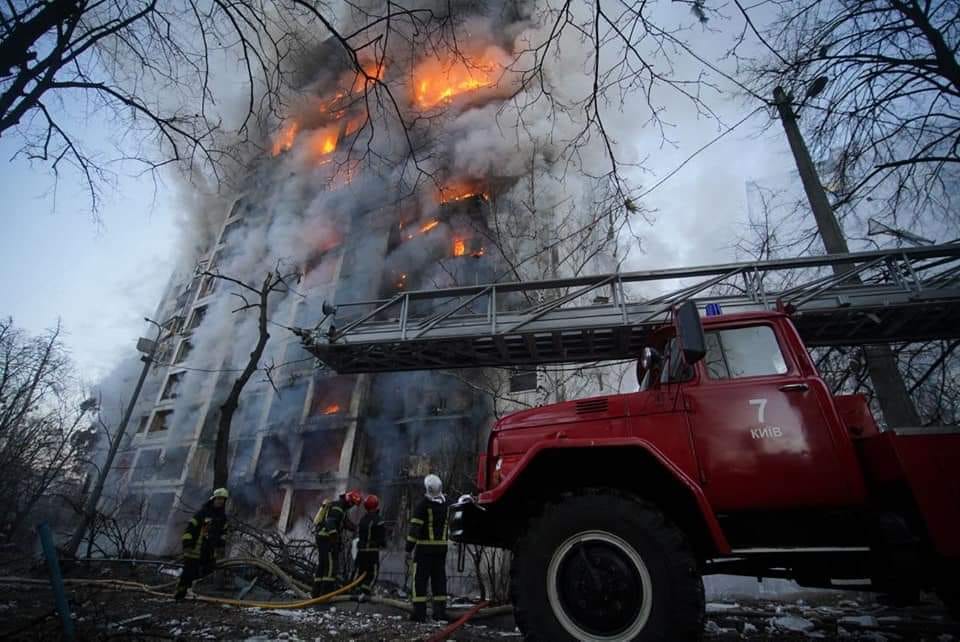
Background of the Current Russian-Ukrainian Conflict On February 21, 2022, Russian President Vladimir Putin officially recognized the Donetsk People’s Republic and the Luhansk People’s Republic, two self-proclaimed states controlled by pro-Russian groups in Donbas, Eastern Ukraine. The next day, Russia’s Federation Council unanimously

Reflection on the “Armenia-Iran: Historical Past and Present” International Conference (by Yeghia Tashjian)

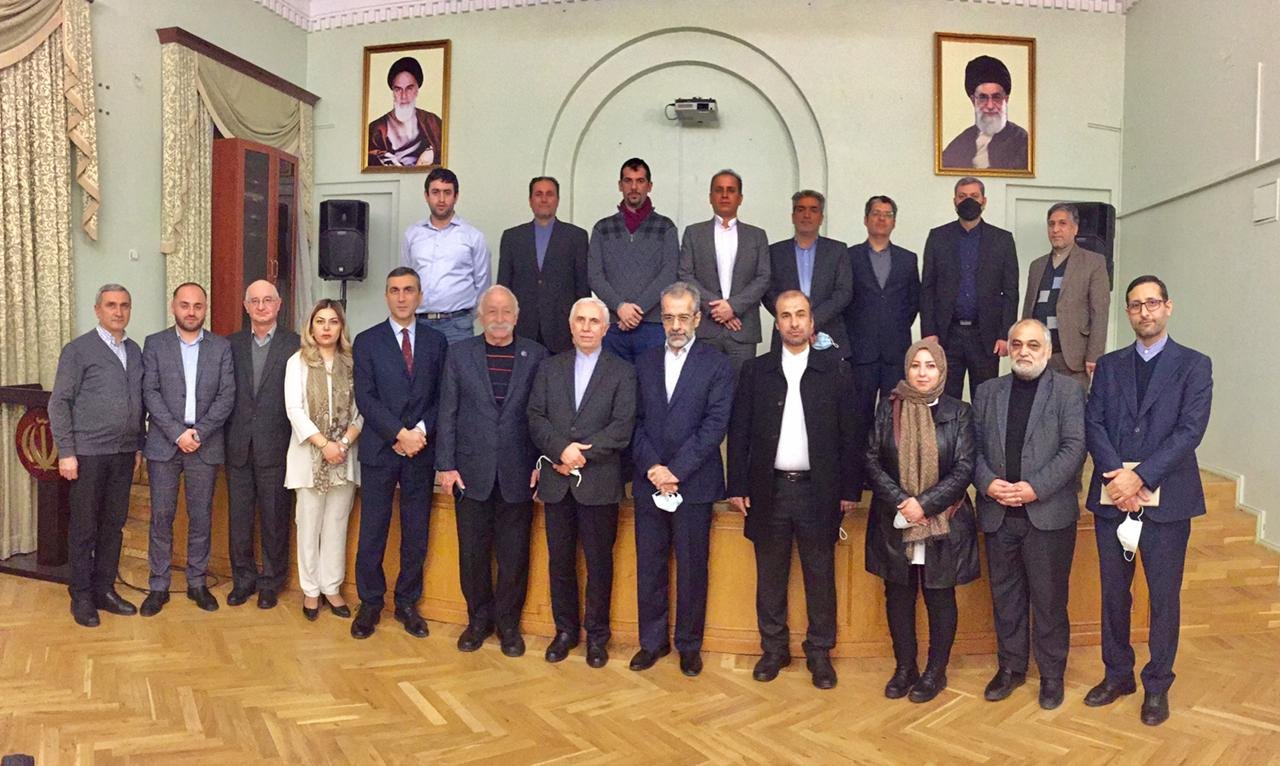
The Iranian Studies Department of the Oriental Studies of the Armenian National Academy of Sciences, together with the Iranian Cultural Center of the Embassy of Islamic Republic of Iran at Yerevan and Yerevan State University, organized a two-day international conference from February 9-10,

The Regional Implications of the Iranian President’s Visit to Moscow (by Yeghia Tashjian)

On January 19, 2022, Iranian President Dr. Ibrahim Raisi traveled to Moscow and met his Russian counterpart Vladimir Putin in an effort to improve bilateral ties between both countries. The leaders discussed regional and international issues, among them the negotiations around Iran’s nuclear

Have the events in Kazakhstan exposed the limits of Turkey’s regional aspirations in Central Asia? (by Yeghia Tashjian)

In February 2021, I wrote an article “Turkey’s Pivot in Central Asia: A Calculated Risk?” and asked to what extent can Turkey push its pan-Turkic aspirations in Central Asia? If Turkey’s economic and energy relations in Central Asia continue to deepen, will it

ARF’s Position on the Armenian-Turkish “Normalization” Process (by Yeghia Tashjian)

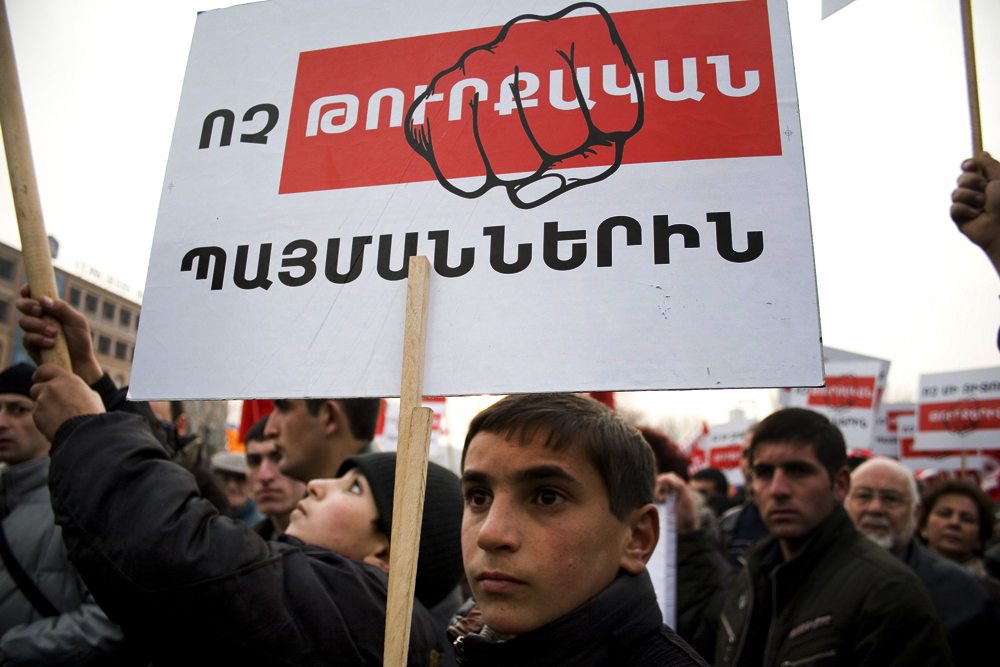
Often, there are misconceptions or misrepresentations of the Armenian Revolutionary Federation’s (ARF) official position on Armenian-Turkish relations. Western journalists, analysts and even Armenian liberals have labeled the party as “anti-peace,” “aggressive nationalist” and have accused it of acting against any kind of dialogue

Aesthetic Intervention: Kurdish Female Combatants’ Artistic Practices (By Özlem Belçim Galip)

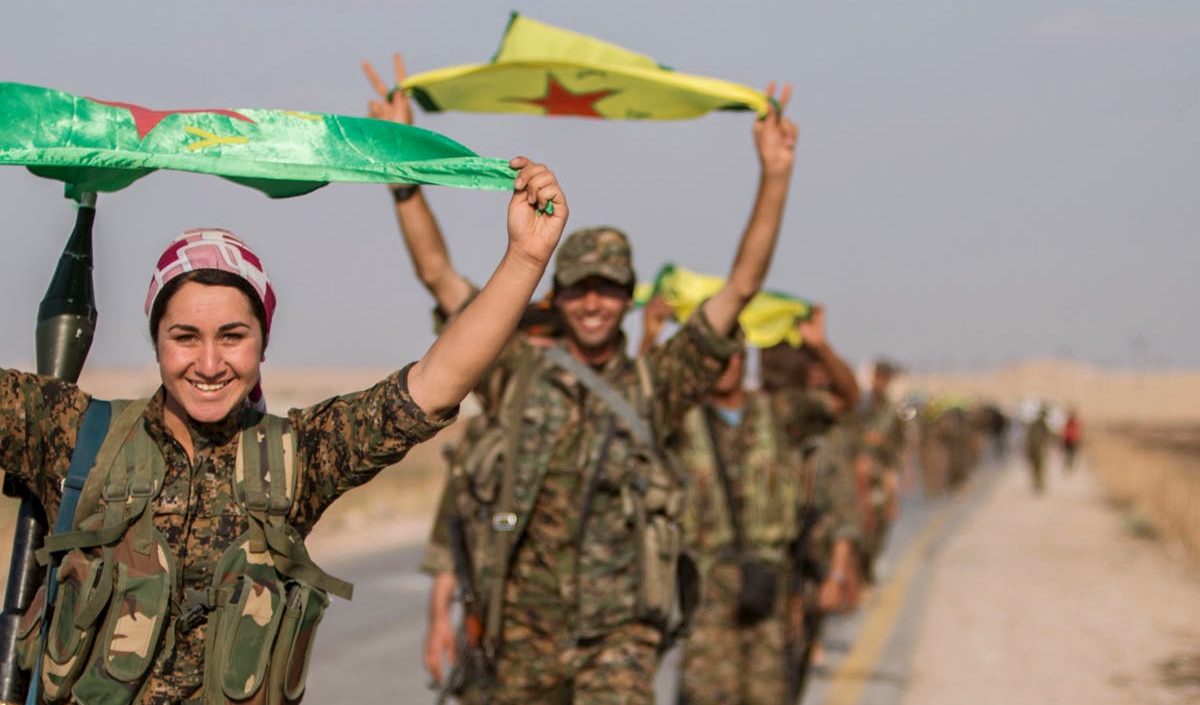
The role of women in armed guerrilla groups and conflicts has been a focal point of feminist scholarship, especially during the last two decades. However, the case of female combatants provides another example of limitations being placed on women’s agency in both conflict

Book Review | Clash of Histories in the South Caucasus

Clash of Histories in the South Caucasus: Redrawing the map of Azerbaijan, Armenia and Iran By Rouben Galichian Bennet & Bloom, 2012 232 pp. It is widely acknowledged that history is often manipulated and revised by authoritarian states. History textbooks have been used

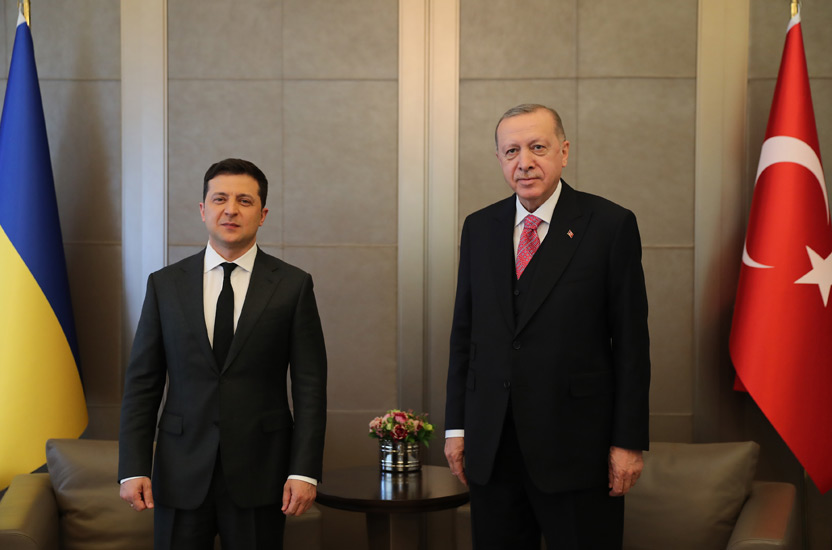
Will Turkey gamble with Ukraine against Russia? (by Yeghia Tashjian)

Introduction In the past few years, Turkey has been gradually increasing its influence in Ukraine through trade and military cooperation amid escalating tensions between Moscow and Kyiv, challenging Moscow’s standing in the Black Sea region. The strategic cooperation between Ankara and Kyiv is not limited

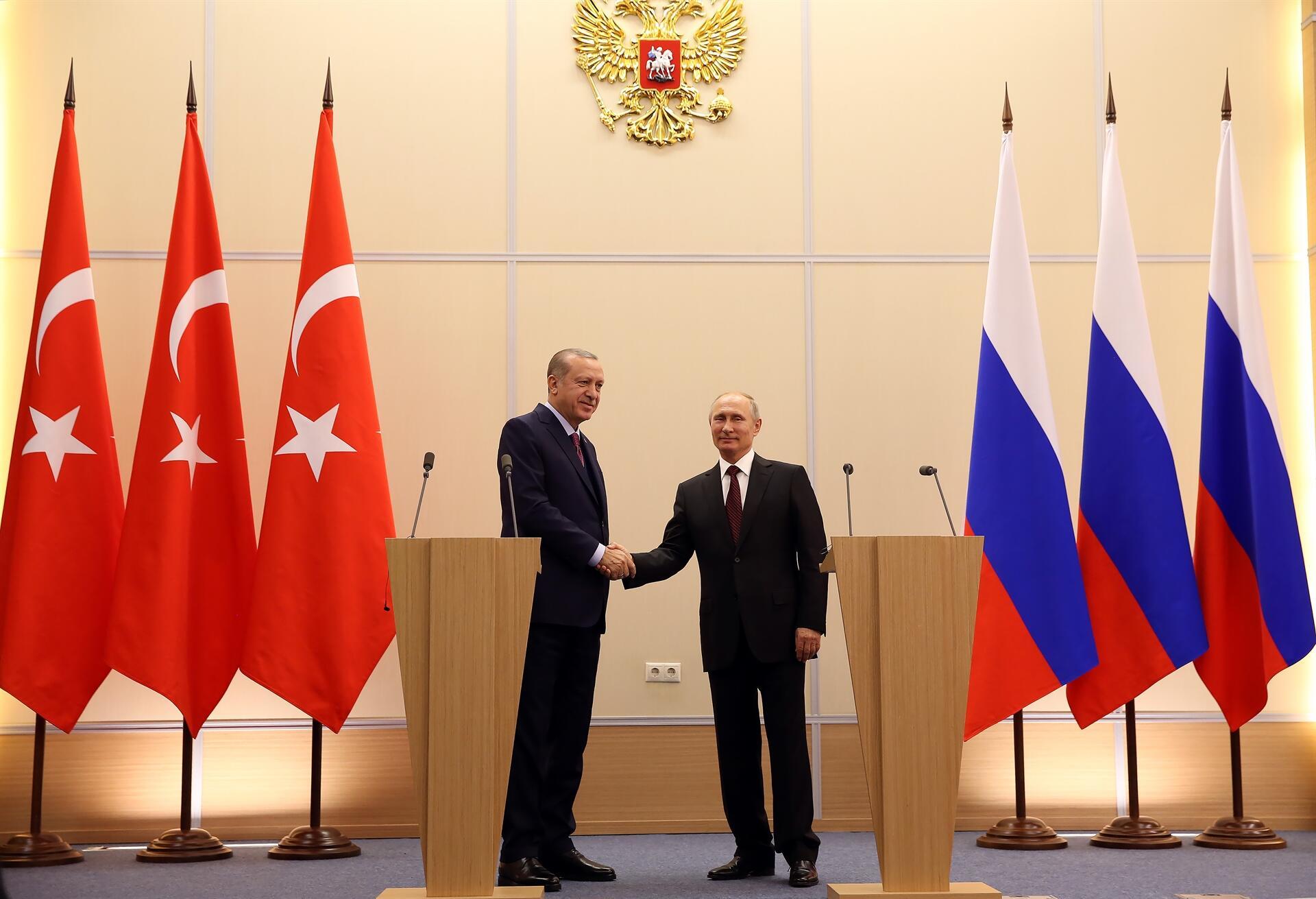
The Russian-Turkish “Co-opetition” in Eurasia and Beyond (By Yeghia Tashjian)

Introduction  “Co-opetition” was a term coined by Adam M. Brandenburger and Barry Nalebuff to describe a paradoxical strategy of cooperation among competitors, enabling them to collectively achieve mutual gains. It’s a relatively new term in international relations and used occasionally in international trade.