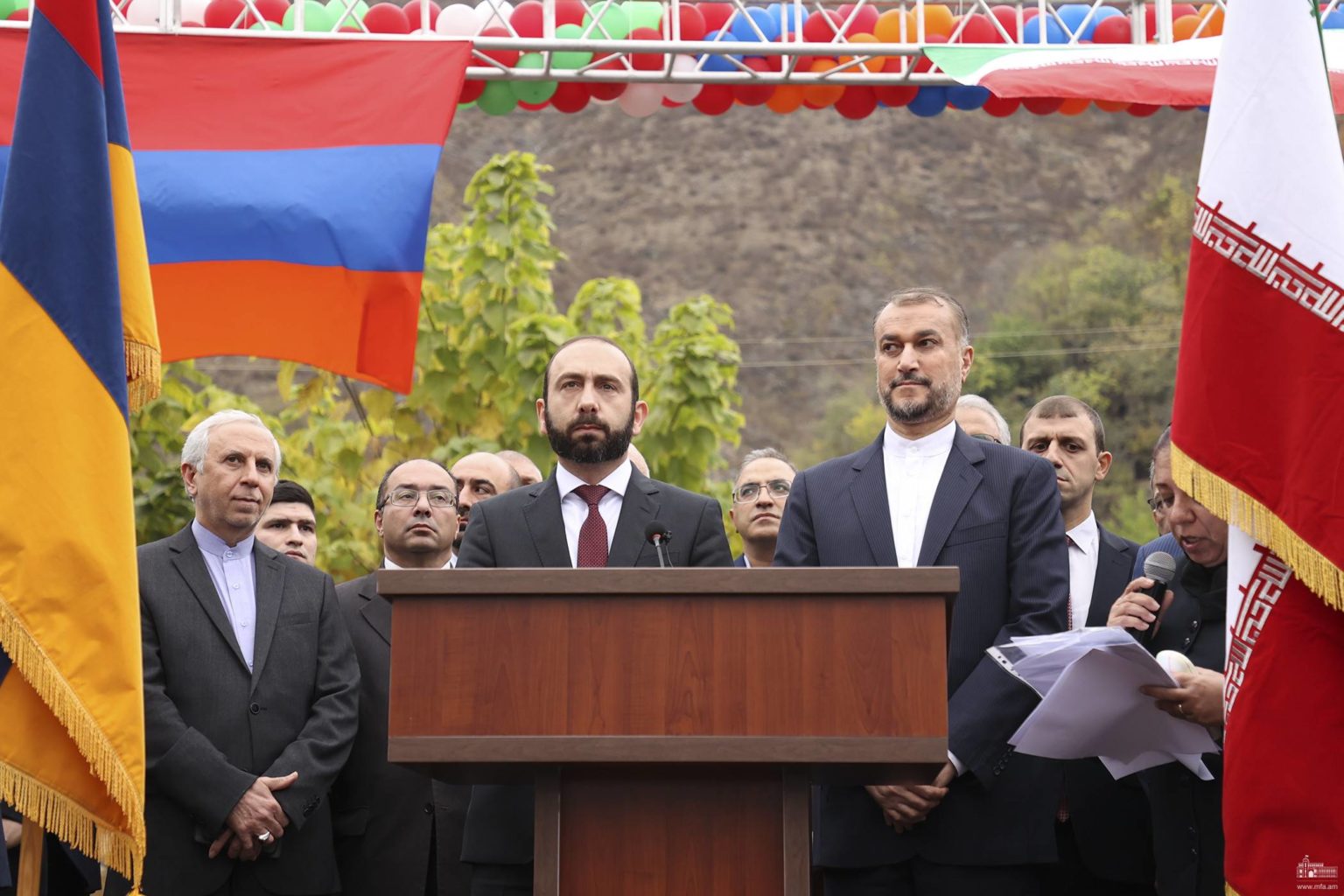
How Iran perceives the developments in Artsakh (by Yeghia Tashjian & Zhanna Vardanyan)

As Russia and Western powers seek to compete in the South Caucasus, many analysts neglect the role of Iran in the region. After the 2020 war and the signing of the November 9 trilateral statement, Iran realized that its geo-economic and geopolitical interests
Armenians of Pyatigorsk (by Yeghia Tashjian)

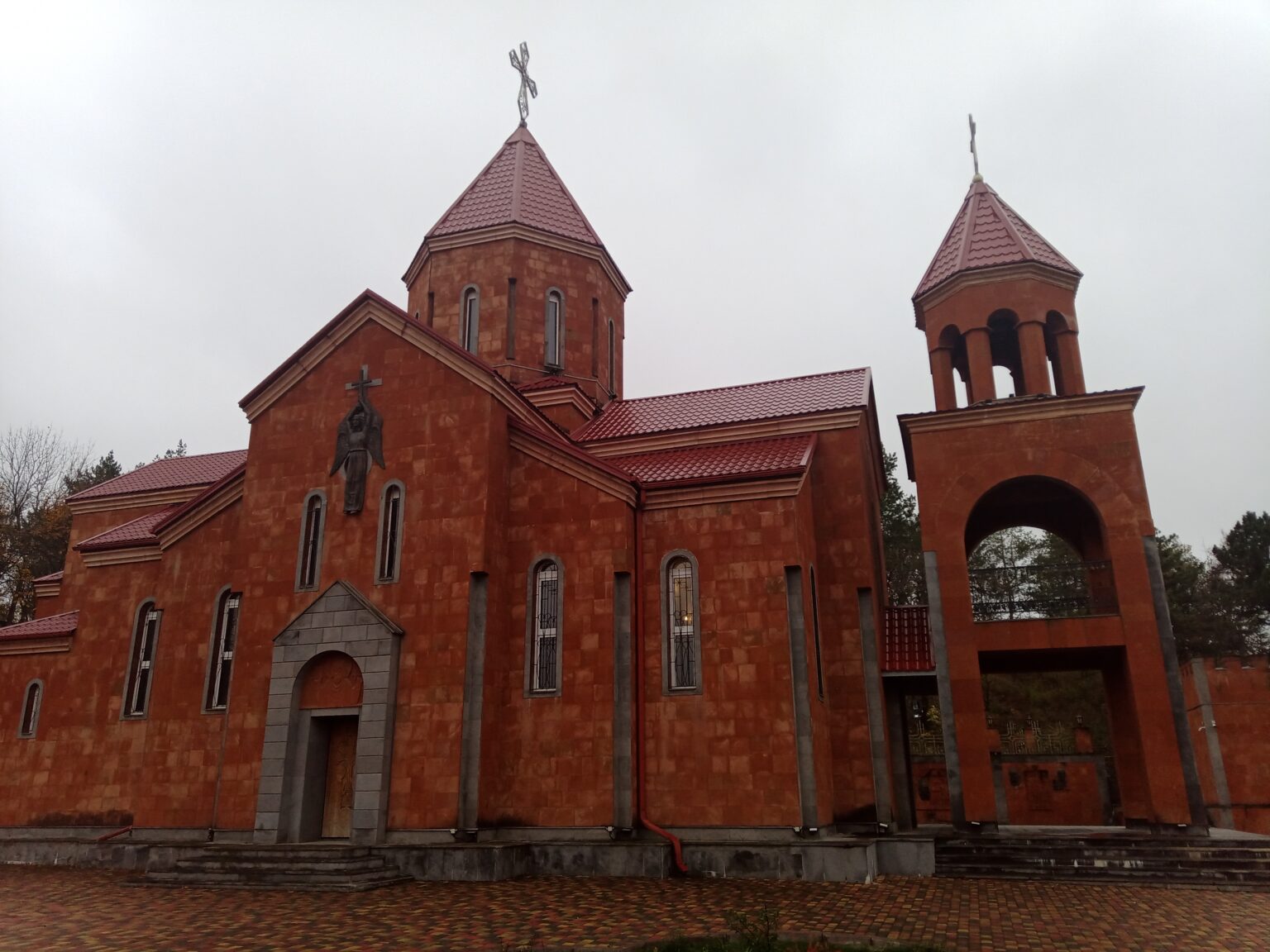
Weekly columnist Yeghia Tashjian outside St. Sarkis Church in Pyatigorsk, Russia, November 10, 2022 Between November 7-12, 2022, I was invited by the Primakov Center to participate in the “Russia – Middle East” International Expert Forum at the Southern Russian city of Pyatigorsk.

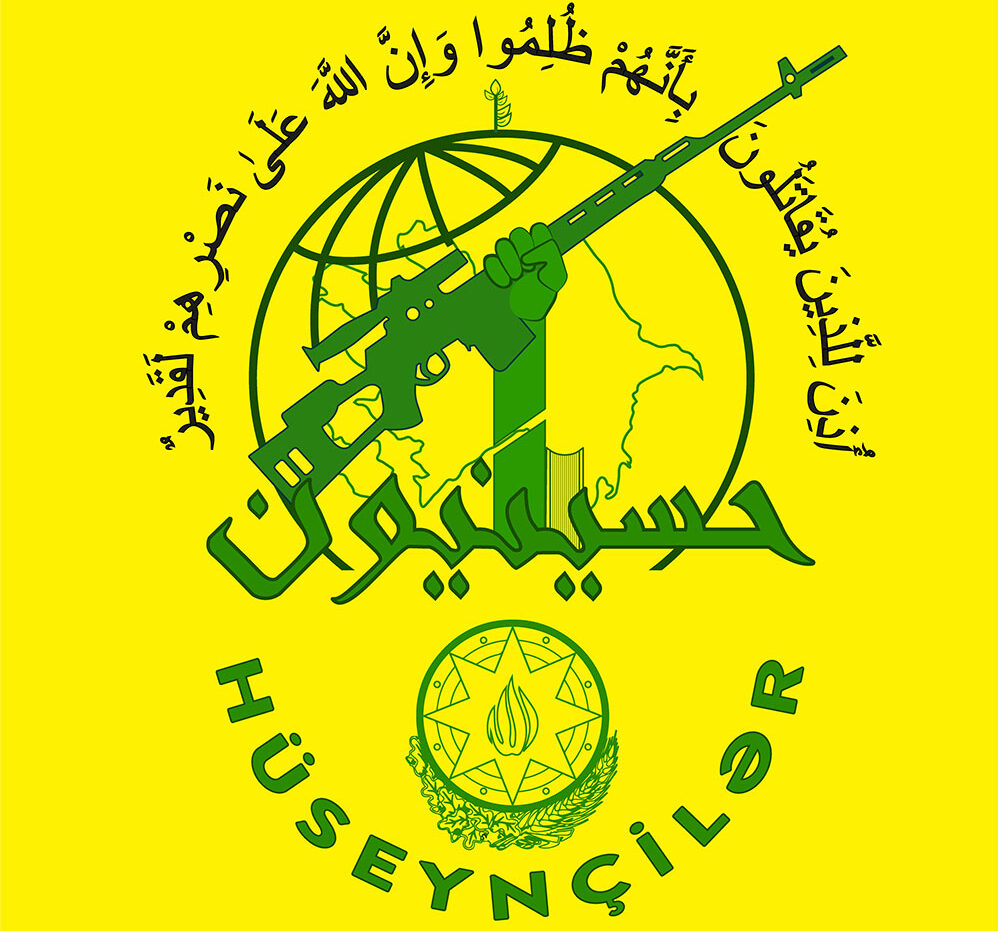
The Husseyniyyun: Iran’s New Gamble in Azerbaijan? (by Yeghia Tashjian)

Background of Religious Persecution in Azerbaijan Despite being a Shia Muslim majority country, the ruling regime of Ilham Aliyev regularly and aggressively enforces secularism on the population of Azerbaijan. Azerbaijanis are forbidden to study in foreign Shia seminaries (hawza). Women are discouraged and

Book Review: The Armenians of Aintab (by Yeghia Tashjian)

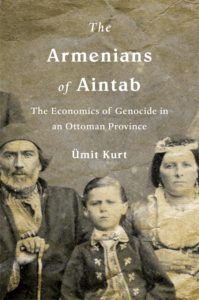
The Armenians of Aintab: The Economics of Genocide in an Ottoman Province By Ümit Kurt Harvard University Press, April 2021 400 pp. $45.00 As an Aintabtsi Armenian, Dr. Ümit Kurt’s book The Armenians of Aintab; The Economics of Genocide in an Ottoman Province pushed me

Beyond the Blocking of the Lachin Corridor (by Yeghia Tashjian)

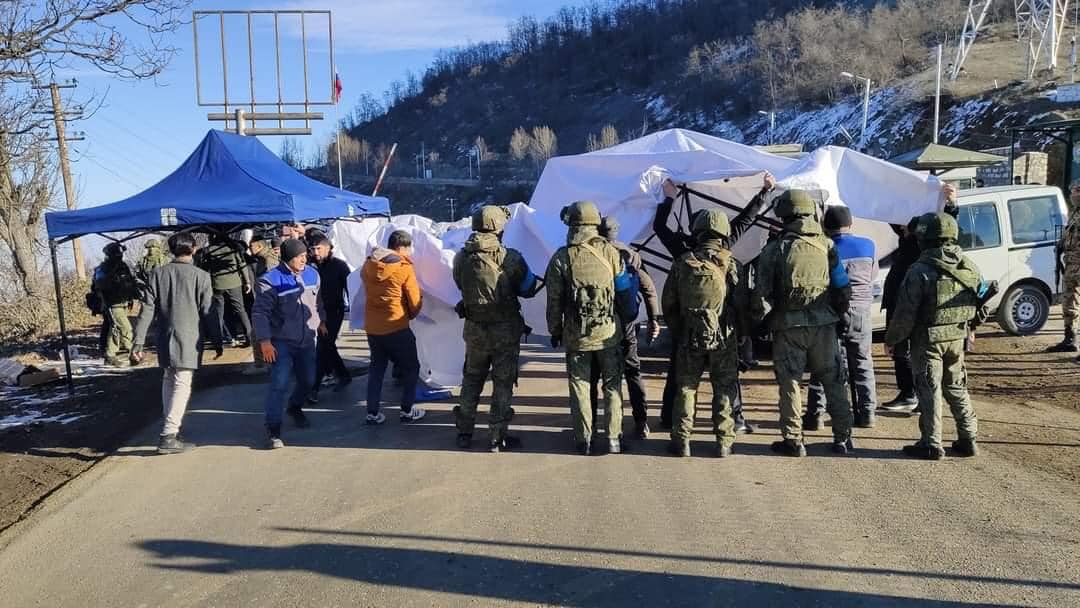
A group of Azerbaijanis in civilian clothes shut down the Stepanakert-Goris highway on the morning of December 12 (Photo: NKR InfoCenter) On December 12, under the pretext of environmentalism, dozens of Azerbaijani state-backed “eco-activists” blocked the only land corridor in the Stepanakert-Shushi section

How to design participatory Earth System Governance (ESG) methodologies in ethnic contexts with a decolonial approach encouraging the dialogue between scientific and traditional knowledge? (By Ana Prada)

Introduction In 2018, I was working with Caritas Colombiana monitoring the implementation of the Peace Agreement in the Amazon region with the Kroc Institute, we “experts” arrived in “the field” with a predesigned methodology to ask “campesinos”[1] and indigenous people their perception of

Can Armenians agree on a unified strategy? (by Yeghia Tashjian)

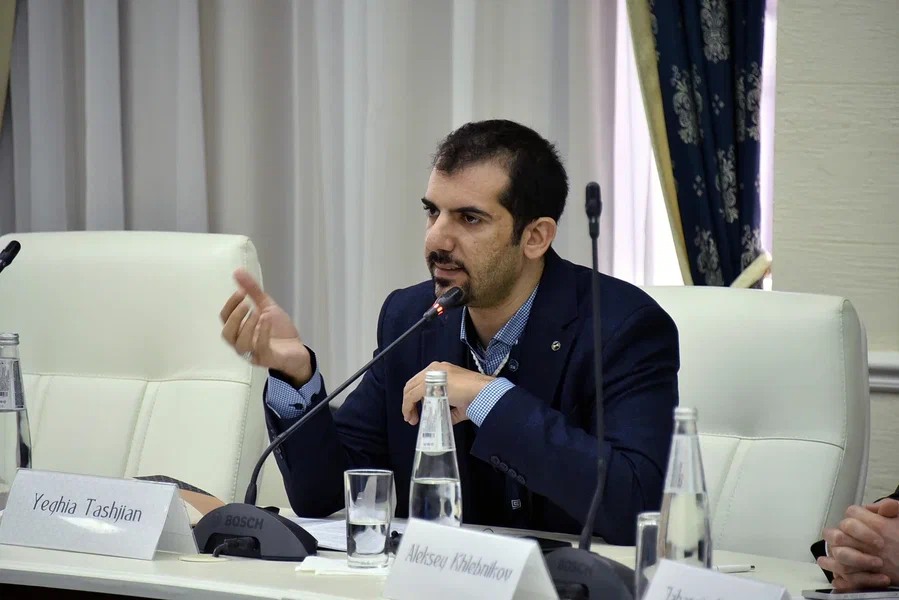
Yeghia Tashjian at the II International Expert Forum “Russia-Middle East” organized by the Primakov Center for International Cooperation at the Pyatigorsk State University, Russia, November 7-10, 2022 Over the past few weeks, I participated in multiple international and regional workshops and conferences in

The Sochi Trilateral Statement: Who has gained what? (by Yeghia Tashjian)

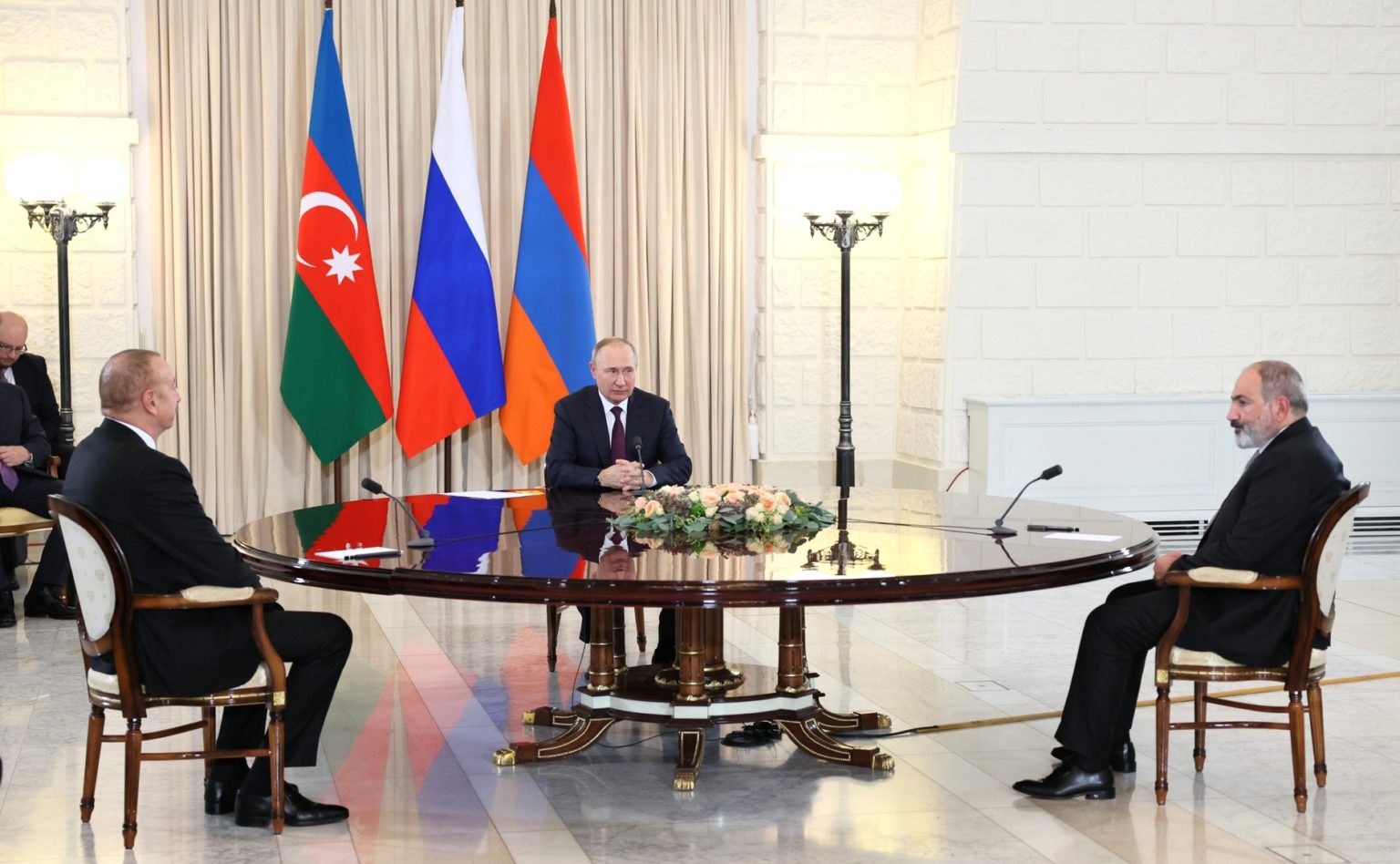
Azerbaijani President Ilham Aliyev, Russian President Vladimir Putin and Armenian PM Nikol Pashinyan meet in Sochi (Kremlin, October 31) On October 25, 2022, Russia’s Foreign Ministry accused the West of pressuring Armenia to cut its traditionally close ties with Moscow in an effort to squeeze

How do Iranian scholars perceive developments in the South Caucasus? (by Yeghia Tashjian)

A survey was recently conducted by the Tehran International Studies and Research Institute (TISRI) to study international security priorities and Iran’s foreign policy. The survey was conducted among 384 academic scholars in different Iranian universities (Tehran, Allameh Tabataba’i, Tabriz, Guilan, Shiraz and Razi of Kermanshah)

A Third Force is Trying to Undermine the Situation in the South Caucasus (Anton Evstratov)

On September 13, a new aggravation manifested itself between Azerbaijan and Armenia. The parties, traditionally accusing each other of provocations, reduced the situation to the use of weapons in the border areas. Official Baku accused the Armenian military of shelling the positions of